
7 Reasons to Hire a Local Agent in San Antonio 2026

A for-sale sign stands outside a single-family home on a quiet suburban street. Photo: Pexels.
By the time most buyers land in San Antonio, they have already picked a neighborhood from a thousand miles away, off a map, a school rating, and a wall of listing photos. Then they drive the commute at 7 a.m., see the empty lot that is about to become an apartment block, and realize the screen told them half the story. That is a hard thing to discover after the moving truck is already booked.
The strongest reason to hire a local agent when buying in San Antonio is that the parts of a home you cannot see from a screen are the parts that decide whether you love it in a year. I am Anthony Sharp, a U.S. Air Force veteran and REALTOR® with Sharp Realty Group here in Cibolo, and I work the northeast corridor around Joint Base San Antonio (JBSA) every week. Before you tour a Schertz home for sale, it helps to know what a local agent catches that an app never will.
The rules for buyers changed on January 1, 2026, the market has swung in your favor, and both shifts reward the buyer who has a knowledgeable local pro in their corner. Here are seven reasons that matter most on the ground in this corridor right now, from reading the micro-markets to handling a military move.
Key Takeaways
- Texas now requires a written buyer representation agreement before an agent shows you a home, so knowing what you are signing matters more than ever.
- San Antonio has shifted to a buyer's market with more inventory and homes sitting longer, which hands a well-prepared buyer real negotiating room.
- A local agent reads hyper-local details a national app cannot, from school zoning and commute times to why a listing has gone stale.
- For military families, an agent who knows VA loans, BAH, and PCS timelines protects the parts of the deal that trip up out-of-state buyers.
Why Local Knowledge Beats a National App in San Antonio
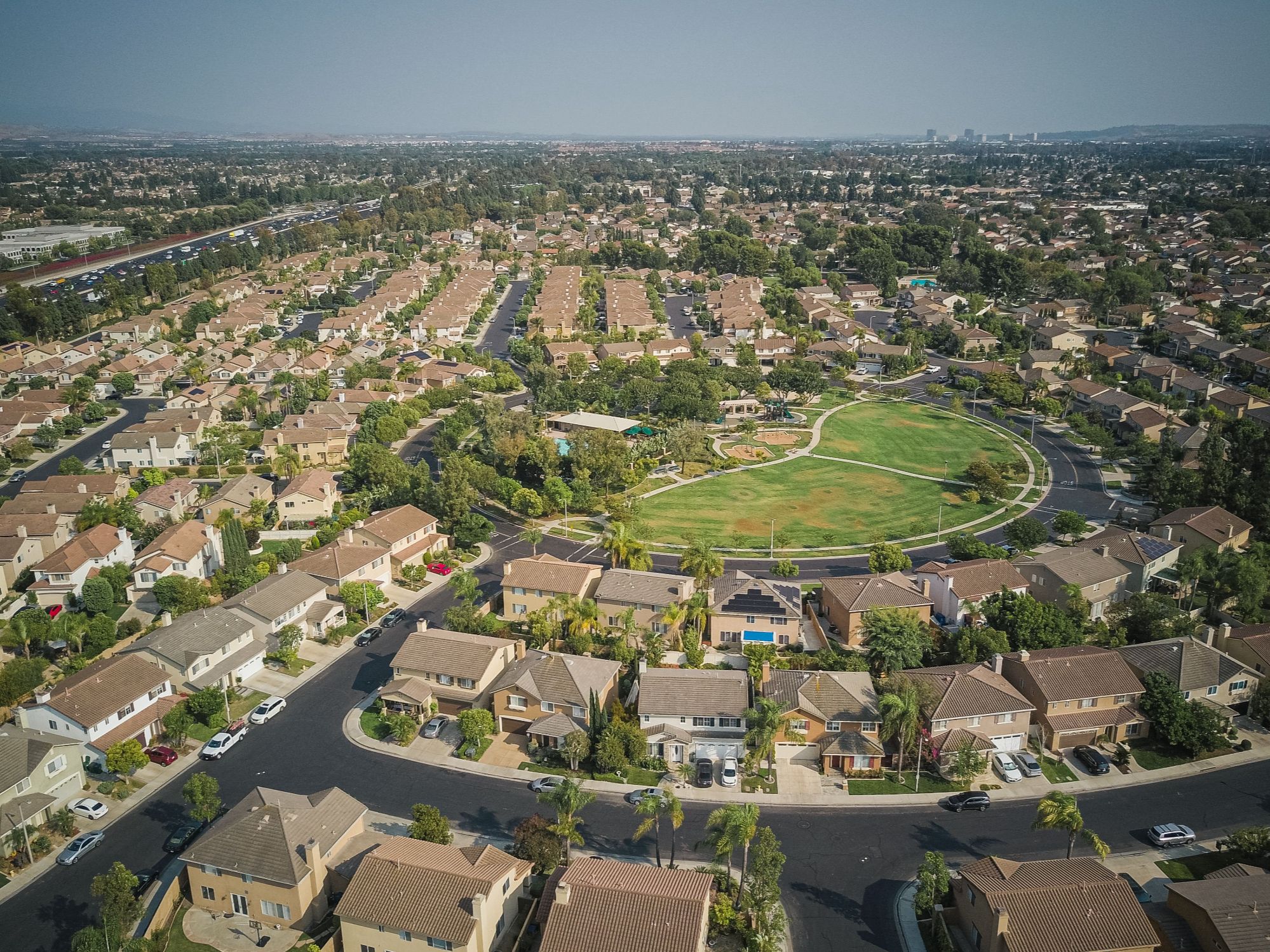
An aerial view of a master-planned neighborhood, its homes and streets circling a central park. Photo: Pexels.
The listing sites are useful for browsing, but they flatten a city as varied as San Antonio into a grid of photos and price tags. What they miss is the context that decides whether a house is a smart buy or a regret you list again in two years. Here is where local knowledge earns its keep:
Reading the Micro-Markets Street by Street
San Antonio is not one market. The corridor towns of Schertz, Cibolo, Universal City, and Converse each carry their own price tiers, home ages, and commute math, and even one subdivision can price quite differently from the one across the road. A national estimate cannot tell you that a specific street floods after a hard rain, that a section is due for a new phase of construction that will change resale, or that the quiet cul-de-sac you liked backs up to a planned road. I live in Cibolo and serve on the city's Planning and Zoning Commission, so I see a lot of that context before it ever shows up on a listing.
Decoding School Zones and Attendance Boundaries
Families often assume the school shown on a listing site is the one their child will attend, and that assumption can be wrong. Much of the corridor sits in Schertz-Cibolo-Universal City Independent School District (SCUCISD), but attendance boundaries shift as the area grows, and two homes a few blocks apart can zone to different campuses. I always tell buyers to verify the exact zoned school for a specific address before they fall for a house, because that detail is far easier to check up front than to fix after closing.
Understanding Property Tax and Special District Costs
Texas has no state income tax, and the trade-off shows up in your property tax bill. Your total combines city, county, school district, and sometimes a special district levy, so two homes on the same street can carry different monthly escrow numbers. A local agent knows to check for those extra districts before you write an offer, and can point you to the county appraisal district and a tax professional for your exact figures. I protest the appraisals on my own rental properties most years, so I understand how much that line item moves a payment.
How a Local Agent Protects You in the 2026 Buyer's Market
The San Antonio market in 2026 looks nothing like the frenzy of a few years ago, and that is good news if you know how to use it. Inventory is up, homes are taking longer to sell, and sellers are far more willing to deal than they were in 2022. An agent who watches this market daily helps you turn that shift into money saved:
Pricing an Offer Against Real Local Data
Recent San Antonio Board of REALTORS® (SABOR) data has shown the metro sitting in balanced-to-buyer territory, with months of supply well above the tight readings of a few years back and homes averaging roughly two to three months on the market. Sellers have generally been accepting offers below list, which means the sticker price is a starting point, not a verdict. I build a comparative market analysis from recent nearby sales so your offer reflects what homes are really closing for, not what a hopeful seller is asking. That single step often saves more than my involvement ever costs a buyer.
Spotting Why a Listing Has Gone Stale
A home that has sat for 60 or 90 days is telling you something, and the reason matters. Sometimes it is simple overpricing, which is leverage for you. Sometimes it is a foundation question, a flood-zone note, or a layout that scares off most buyers but fits yours. When I see a listing linger, I dig into the history, the disclosures, and the neighborhood before we tour, so you know whether the delay is your opening or your warning. A house that has quietly cut its price twice is a different conversation than one that just came back on the market after a failed inspection.
Negotiating Repairs and Seller Concessions
In a market where sellers have fewer competing offers, the negotiation does not end when they accept your price. Inspection findings, closing-cost help, a rate buydown paid by the seller, and repair credits are all on the table when you have someone pushing for them. I have watched buyers leave thousands of dollars on the table simply because no one asked. With a slower market, the ask is often granted, and a local agent knows which requests a San Antonio seller will meet and which will blow up the deal.
Why the New 2026 Rules Make Representation Matter More
The paperwork side of buying changed at the start of 2026, and a lot of buyers do not know what they are signing until it is in front of them. Understanding these changes is one of the clearest reasons to have a local pro who works under them every day:
Knowing What the Written Buyer Agreement Means
As of January 1, 2026, Texas law requires a written agreement before a licensed agent shows you a residential property, or before presenting an offer if no home is toured. This came out of Senate Bill 1968, which amended the Texas Real Estate License Act, and it applies to every licensed agent in the state, not only association members. Two of the common forms make you a represented client, and a third is a showing-only agreement that gives you no representation at all. Before you sign anything at a showing, it pays to understand the 2026 representation changes straight from the state commission that wrote them. Knowing which form is in front of you is the whole game.
Handling the Shift in Agent Compensation
The other change buyers hear about is how agents get paid. The buyer's agent fee is now negotiated in writing in your agreement rather than advertised on the Multiple Listing Service (MLS), and it is fully negotiable, with no rate set by law. Sellers in San Antonio still frequently offer to cover some or all of it as a concession, and most corridor closings I see in 2026 still include a seller contribution toward it. The point is that it is now a conversation you get to have, and a local agent walks you through those numbers so nothing surprises you at the closing table. These rules and figures can change, so confirm the current terms with your agent and a licensed professional before you rely on them.
Avoiding the Unrepresented-Buyer Trap
Some buyers, hoping to save money, sign a showing-only form and walk into a purchase with no one on their side. That means no one advising on value, no one negotiating repairs, and no one catching a contract term that costs you later. In the biggest purchase most people ever make, going it alone to save a fee that a seller may well cover is a risk that rarely pays off. It bites hardest at a builder's model, where the sales rep is friendly and helpful but their paycheck runs to the builder, and the incentive sheet they hand you is written to protect the builder's headline price. Reading those offers with someone on your side is often where the real money is found or lost.
Why Military Buyers Near JBSA Gain the Most From a Local Agent

A family carries moving boxes through the front door of their new home. Photo: Pexels.
San Antonio is a military town, and buying here on orders adds a layer of complexity that a general agent may not handle well. The details below are where a local, military-savvy agent protects your move:
Coordinating a VA Loan and Appraisal
A U.S. Department of Veterans Affairs (VA) loan comes with its own appraisal, Minimum Property Requirements, and timeline, and a home that will not pass those standards can wreck a closing tied to a report date. I steer VA buyers toward homes that are in solid shape, connect them with lenders who close VA files on time near JBSA, and keep the appraisal and Notice of Value on schedule. I used the benefit myself, so I know where these deals tend to snag.
Matching a Budget to Your Housing Allowance
All JBSA installations share one San Antonio military housing area, so your Basic Allowance for Housing (BAH) is the same whether you report to Randolph, Fort Sam Houston, or Lackland. A local agent helps you separate the allowance from the decision, because your BAH sets a comfortable ceiling, not a target you have to hit. Plenty of buyers I work with land a notch below their allowance and pocket the difference each month while still building equity. Confirm your exact rate through the official Department of Defense tables and your financing with a licensed VA lender.
Managing a PCS Timeline and Remote Closing
A permanent change of station rarely lines up neatly with a closing date, and many families buy before they have set foot in the house. An agent who handles military moves can run video tours, coordinate a power of attorney, and work with a title company experienced in remote military closings so you reach the finish line from wherever your orders have you. That coordination is the difference between a smooth landing and a scramble the week your household goods arrive.
Local Agent Versus Going It Alone in San Antonio
When a buyer is weighing whether representation is worth it, I find a side-by-side picture makes the choice clear. Here is how the two paths compare across the moments that decide a purchase:
| Buying Step | With a Local Agent | On Your Own |
|---|---|---|
| Pricing the offer | Comparative analysis from recent local sales | A national estimate and a guess |
| Reading a stale listing | History, disclosures, and neighborhood context | Days-on-market number with no explanation |
| Negotiating repairs | An advocate who knows what sellers grant | Direct talks with the seller's agent |
| The 2026 paperwork | A pro who works under the new rules daily | Forms you may not fully understand |
| A VA or PCS move | Appraisal, BAH, and timeline handled | Learning VA rules under a deadline |
Weighing the Cost Against the Value
The honest question every buyer asks is whether the representation is worth it, and the answer depends on your situation and how a seller structures the deal. What I can tell you from working this corridor is that the savings a knowledgeable agent finds on price, repairs, and terms often outweigh the fee, especially in a market where sellers are dealing. Before you weigh that same cost-and-value call one town east, it helps to see how buying a home in Cibolo lines up street by street, because the trade-offs there run much the way they do here. Run your own numbers with a licensed professional before you decide what fits.
Buying in San Antonio With Confidence
The neighborhood you picked off a screen, the commute you had not driven, the half of the story the photos left out, none of it has to catch you off guard anymore. The buyer who walks in knowing the streets, how much room a slow market gives, and what the numbers behind a listing really say is the one who buys well and sleeps fine afterward. That is the position I want every buyer in this corridor to be in before they write an offer.
You do not have to sort the paperwork, the pricing, and the neighborhoods alone, and in a market this negotiable there is more room to buy on your terms than buyers have had in years. With someone local in your corner, the right home tends to find its way to the top of the list on a timeline that respects your orders. Matching a rank and a report date to the right home near JBSA is exactly the work I do every week as a military relocation specialist.
Ready to Buy Smart in San Antonio?
I am Anthony Sharp with Sharp Realty Group, a U.S. Air Force veteran who helps buyers and military families navigate the San Antonio corridor from the first tour to the closing table. Whether you want a second set of eyes on a listing, an offer strategy, or the new buyer paperwork before you sign, let's talk.
Call or text: 210-997-0763
Schedule a time: book a consultation
Email: anthony@sharprealtygrouptx.com
Office: 213 Terramar, Cibolo, TX 78108
Frequently Asked Questions (FAQs)
Do I have to sign an agreement before touring a home in San Antonio?
Generally yes. As of January 1, 2026, Texas law requires a written agreement before a licensed agent shows you a residential property. Two common forms make you a represented client, while a third is a showing-only form that gives you no representation. The term length and other details are negotiable, so read what is in front of you and ask questions before you sign.
Does hiring a buyer's agent in San Antonio cost me money?
It depends on how the deal is structured. The buyer's agent fee is now negotiated in your written agreement rather than posted on the MLS, and it is fully negotiable. Sellers in San Antonio still frequently offer to cover some or all of it as a concession, and most corridor closings I see in 2026 include a seller contribution. Your agent and lender can walk you through the exact numbers for your purchase.
Is 2026 a good time to buy a home in San Antonio?
For many buyers it is a reasonable window, though no one can promise where rates or prices go next. Inventory is up, homes are taking longer to sell, and sellers are more open to concessions than they were a few years ago, which gives a prepared buyer negotiating room. The right move depends on your timeline, your financing, and how long you plan to stay, so run your numbers before you decide.
Why not just use the listing agent to buy the house?
The listing agent works for the seller, and their job is to get the seller the strongest terms. Using them to buy leaves you without an advocate on price, repairs, and contract details, at the same moment the seller has a professional working every angle in their favor. Having your own representation keeps that imbalance from becoming your problem in the biggest purchase most people make.
What should a military buyer look for in a San Antonio agent?
Look for someone who knows VA loans, BAH, and PCS timelines firsthand, because those details shape the deal from appraisal to closing. An agent who understands the JBSA housing area and can coordinate a remote closing keeps your move on track when your report date does not wait. Ask how many military moves they have handled and whether they can connect you with a lender who closes VA files on time.
How do I verify the school zone for a home in the corridor?
Do not rely on the school listed on a national real estate site, because attendance boundaries in a growing area like the corridor can shift and vary by street. Confirm the exact zoned campus for a specific address directly with the school district before you write an offer. A local agent can help you check this early, when it is far easier to sort out than after you close.
* * *
Disclaimer: This article is general information only and does not consider your individual financial, tax, or legal circumstances. Market data, mortgage rates, and program terms change and are provided as a general guide, not a guarantee. Nothing here guarantees financing, approval, appreciation, or resale value. Before making a decision, speak with a qualified professional such as a REALTOR®, a licensed lender, or an attorney about your specific situation.
Categories
- All Blogs (283)
- BAH (4)
- For Home Buyers (198)
- For Home Sellers (92)
- For Investors (45)
- For Military Service Members (188)
- For Renters (10)
- JBSA (7)
- Local Events (12)
- Local Real Estate News (40)
- Market Updates (43)
- Military Relocation (42)
- Neighborhood Tours (58)
- PCS Move (110)
- Property Tours (7)
- VA Loans (15)
Recent Posts