

Backyard and Lot Checklist for San Antonio Buyers in 2026
Key Takeaways
- Pull the flood map yourself before you make an offer, since a seller's disclosure only covers what the seller knows and Bexar County's floodplain maps are being redrawn.
- A fence line is not always the property line, so confirm boundaries, easements, and HOA rules before you plan a pool, shed, or new fence.
- A standard TREC inspection covers grading and drainage, while sprinklers, pools, outbuildings, and septic systems are optional add-ons you have to request.
- Trees, watering rules, and drainage fixes carry real costs, so price them during the option period while you can still negotiate or walk away.

Downtown San Antonio skyline at sunset. Photo: Pexels.
Plenty of San Antonio showings end at the back door. You walk the kitchen twice, picture your furniture in the living room, glance through the patio slider, and leave without ever stepping onto the grass. A backyard and lot checklist matters because that skipped walk is where drainage, boundary, and tree problems hide, and they tend to surface after closing, when the repair bill is yours.
I am Anthony Sharp, a U.S. Air Force veteran and REALTOR® with Sharp Realty Group in Cibolo, and I help buyers across San Antonio, Schertz, Cibolo, Universal City, and the rest of the Joint Base San Antonio (JBSA) corridor. For buyers in the San Antonio buyer program I run, quick inspection timelines are part of the offer strategy, since most yard checks happen inside a short option period, and the length of that period depends on what you negotiate in your contract.
I also serve on the Cibolo Planning and Zoning Commission, so I know how much a plat, a drainage easement, or a setback line can shape what an owner can do with a yard. A good lot walk starts with water and flood risk, then moves to property lines, trees and structures, the outdoor systems an inspection may skip, and the priorities that shift for new builds, permanent change of station (PCS) moves, and investors.
Drainage and Flood Risk on a San Antonio Lot
Water deserves the first look, because it can cost the most to fix after closing and is easy to miss on a dry afternoon. Soil in parts of the San Antonio area can swell when wet and shrink in drought, so where the water goes after a storm can affect the slab as well as the lawn:
The Grade Around the Slab
The ground should slope away from the foundation on every side, and gutters and downspouts should carry roof water out past the flower beds rather than dumping it against the wall. Under the current Texas Real Estate Commission (TREC) standards of practice, which TREC can revise, a licensed inspector reports on grading and drainage as part of the structural review, so ask yours to flag anything that holds water near the house.
On your own walk through the yard, watch for these warning signs.
- Soil or mulch washed onto the patio, sidewalk, or driveway.
- Standing water or soggy patches a day or two after a storm.
- Flower beds built up higher than the soil along the slab.
- Gaps between the soil and the slab edge during a dry spell.
- A neighbor's yard that sits higher and drains toward yours.
These signs are general cues, not a diagnosis, so let your inspector or a qualified engineer judge what they mean for the home.
The Flood Zone on the Map
Flood risk is not limited to homes beside a creek, and the official flood maps come from the Federal Emergency Management Agency (FEMA). Before you write an offer, run the address through the FEMA Flood Map Service Center to see which zone the lot sits in. When a lot falls in a high-risk zone, such as Zone A or AE, a federally regulated or insured lender will generally require flood insurance, and each lender sets its own coverage requirements, so ask early and put that premium in your monthly budget.
Maps also change. In Bexar County, the San Antonio River Authority has submitted updated floodplain maps to FEMA that would add about 5,600 buildings to proposed flood zones, according to county figures reported by KABB Fox San Antonio in 2026. The preliminary maps were expected to go public in early 2027 as of that reporting, and the figures and timeline can change as FEMA reviews them and residents file appeals. A home outside today's zone could land inside a future one, so ask your insurance agent for a flood quote either way.
The Flood Questions on the Disclosure
Under the Texas Property Code, sellers of most previously occupied homes complete a Seller's Disclosure Notice, and the current form asks whether the property sits in a 100-year or 500-year floodplain, whether it carries flood insurance, and whether the seller has filed a flood claim or received help from FEMA or the U.S. Small Business Administration for flood damage. The same form asks about improper drainage and soil movement.
Read those answers closely, and remember the form covers only what the seller knows. A prior owner's flood history or a recent map change may never show up on it, which is why your own map check and inspection still matter.
Flood maps, insurance requirements, and disclosure forms can change, and your lender and insurer apply their own rules, so treat this as a general guide and confirm the details for your address.
Lot Lines, Easements, and Rules to Check Before You Buy
A yard can look generous on a showing and still come with limits you cannot see from the patio, and those limits matter most before you plan a pool, a shed, or a taller fence:
Surveys and Fence Lines
A fence shows where someone built a fence, which is not always where the lot ends. The survey shows the actual boundary, the building lines, and any visible improvements that cross them, such as a driveway, shed, or fence sitting a few feet onto the next lot. The standard Texas resale contract lets the parties either use the seller's existing survey with a Texas Department of Insurance affidavit or declaration or order a new one, and your lender and title company each decide whether the survey is acceptable. Contract terms follow the TREC form in effect when you sign, so confirm your options with your agent.
Compare the survey with what you see in the yard, and ask about anything that does not line up before your objection deadline passes.
Easements and Title Records
An easement gives a utility, a drainage authority, or a neighbor a legal right to use part of your land, and a subdivision lot may carry a utility or drainage easement along the back or side lines. That strip can limit where a pool, slab, or storage building goes, and a utility may need access to it.
Easements and recorded restrictions typically appear in Schedule B of the title commitment, so anyone sorting through title insurance in Texas for the first time should read that schedule with the plat in hand. The Seller's Disclosure Notice also asks about unplatted easements, the kind the plat will not show.
Deed Restrictions and City Permits
Deed restrictions in a homeowners association (HOA) community often set fence height and material, shed size, pool placement, and what you can plant, and many associations require approval before you build. Cities add their own permit requirements, which vary from one city to the next, so check with the city where the home sits before you assume a project is allowed.
The Seller's Disclosure Notice asks whether the seller knows of additions or alterations made without required permits. A patio cover or enclosed porch built without one can turn into your problem when you sell.
Noise Zones and Flight Activity
Homes near a military installation may sit within high-noise or air installation compatible use zones identified in the installation's planning studies, and the Seller's Disclosure Notice includes a statement pointing buyers to those studies. Buyers shopping near Randolph Air Force Base or JBSA-Lackland should spend a few minutes in the backyard when flight activity is typical. What you hear from the patio on a weekday afternoon tells you more than a map can, and since those studies can be updated, check the installation's most recent one.
Survey requirements, title practices, and HOA and city rules vary and can change, so confirm them with your title company, the association, and the city before you rely on them.
Trees, Fences, and Structures in a San Antonio Backyard
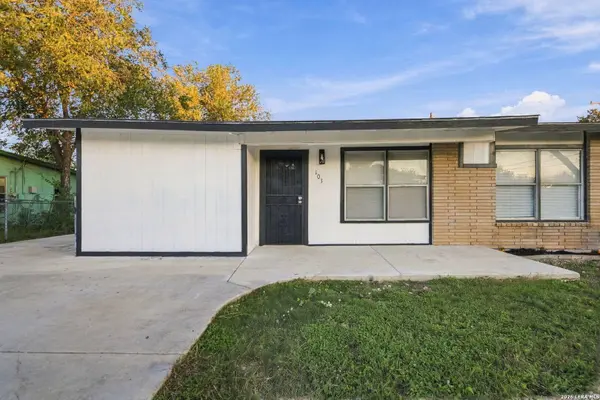
103 Chadwick Dr, San Antonio, TX 78227. Photo: Sharp Realty Group.
Shade, privacy, and storage are what many buyers want from a yard in this climate, and each one comes with upkeep that is easy to underestimate during a showing:
Oaks and Shade Trees
Mature trees add shade and curb appeal, along with spreading roots, overhanging limbs, and trimming bills. According to Texas A&M Forest Service, oak wilt has wiped out millions of trees in 76 Texas counties, and the agency recommends leaving oaks unpruned and unwounded from February through June and painting fresh cuts on oaks right away, whatever the season.
On a lot with large oaks, a few signs are worth spotting before you fall for the shade.
- Veins turning yellow or brown on live oak leaves.
- Red oak leaves turning red or brown out of season.
- Dead limbs or bare sections in the upper canopy.
- Branches resting on or hanging over the roof.
- Trees planted close to the slab or sewer line.
A certified arborist can assess tree health for a fee.
Fences and Retaining Walls
Wood fences wear down under Texas sun and sprinkler spray, so push on the posts, check for rot at the base, and look for panels leaning toward or away from the yard. A shared fence also raises the question of who maintains it. Pet owners should check gates, gaps at the bottom, and whether the height meets the HOA's rules.
Retaining walls hold back soil and water, so cracks, bulging, or a lean deserve a closer look. Current TREC rules do not require an inspector to inspect retaining walls unrelated to foundation performance, so ask whether yours will be covered, or bring in a structural engineer before you take them on.
Sheds and Patio Covers
A detached workshop or storage building adds real utility, but a standard inspection does not have to cover it. Under current TREC rules, outbuildings are an optional system, so ask your inspector to add any shed, workshop, or detached garage you plan to use, especially one with electrical service.
Patio covers and pergolas attached to the house deserve the same attention, since a cover tied into the roof can let water in where the two meet.
Tree care guidance, inspection scopes, and HOA rules can change, so confirm them with an arborist, your inspector, and the association.
Before you tour 103 Chadwick Dr in San Antonio, a 1963 Valley Hi ranch on a 0.20-acre corner lot near JBSA-Lackland, run the same tree, fence, and shed checks on its mature shade, fully fenced backyard, and long workshop with built-in shelving. Listing details can change, so confirm them before a showing.
Backyard Systems and Utilities for San Antonio Homes

672 Planters Pass, Schertz, TX 78154. Photo: Sharp Realty Group.
Backyard systems come with upkeep, local rules, and inspection gaps that rarely show up in a listing. TREC's standards of practice set the minimum a licensed inspector must cover, and several of these systems fall outside it unless you request them. The common yard items usually fall into these groups:
| Backyard Item | Standard TREC Inspection | Who Can Check It |
|---|---|---|
| Grading and drainage | Included | Home inspector |
| Attached porches, decks, and carports | Included | Home inspector |
| Sprinkler system | Optional add-on | Home inspector |
| Pool, spa, and equipment | Optional add-on | Home inspector or pool specialist |
| Sheds and outbuildings | Optional add-on | Home inspector |
| Septic system or private well | Optional add-on | Home inspector or licensed specialist |
| Trees | Not covered | Certified arborist |
| Property lines and easements | Not covered | Surveyor and title company |
Inspection scopes follow the TREC rules in effect on your inspection date and each inspector's agreement, so confirm in writing what is included before the inspection.
Book any add-ons when you schedule the main inspection, because specialists may not have openings late in a short option period. The San Antonio market had about 6.2 months of homes for sale as of July 2026, according to the Texas Real Estate Research Center at Texas A&M University. In a market like that, sellers may be more open to repair requests or credits, so a yard problem found early can become a negotiating point rather than a deal breaker, depending on the home and the seller. Conditions shift month to month, so ask your agent for current numbers before you negotiate.
Sprinklers and Watering Rules
An irrigation system that leaks underground can run up a water bill quietly for months. Ask the inspector to run each zone, look for broken heads and overspray onto pavement, and confirm the controller works. Ask the seller which watering day the controller is set for, since your water provider may assign that day by address.
The San Antonio Water System (SAWS) moved customers back into Stage 3 watering rules on September 21, 2026, after a short stretch in Stage 2, and under Stage 3, homes that use 20,000 gallons or more in a month can see a high-use surcharge on the bill. Stages and surcharges change with aquifer levels and city ordinance, so check the current stage with SAWS before you plan a new lawn. Other corridor cities and water suppliers set their own drought rules, so ask which provider serves the address.
A lush lawn in a listing photo may cost more to keep green than you expect. Current Texas law gives owners some room here, since an HOA generally cannot ban drought-resistant landscaping or fine you for a brown lawn during a residential watering restriction.
Pools and Spas
Pools are an optional system under current TREC rules, so a pool inspection is something you request, not something you can assume. What it covers depends on the inspector's agreement, so ask for the scope in writing. The Seller's Disclosure Notice asks the seller to note a single blockable main drain, which can create a suction entrapment hazard.
Ask about the age of the equipment, and get an insurance quote early, since a pool can affect your liability coverage and premium.
Septic Systems and Private Wells
Some homes, often on larger acreage, rely on a septic system or a private well instead of city water and sewer. Both are optional systems under current TREC rules. For a septic system, ask for permit and service records and add a septic inspection. For a well, ask the inspector to evaluate the equipment, and consider having the water tested. Your lender may have its own requirements for these systems, so ask before the option period ends.
Digging and Utility Lines
Texas law currently requires a call to 811 at least two business days before you dig, whether the project is a fence post, a tree, or a sprinkler line, so utilities can mark buried lines first. Build that step into any yard project you sketch out during the option period, and check Texas811 for the current notice rules before you start.
Watering stages, surcharges, and HOA rules change with drought conditions and new legislation, so check the current rules with your water provider and association.
When you walk 672 Planters Pass in Schertz, a Kramer Farm home with a fenced backyard, a fully tiled patio, and new irrigation, ask to see the sprinklers run through each zone. Listing details can change, so confirm them before a showing.
Lot Priorities for New Builds, PCS Buyers, and Investors
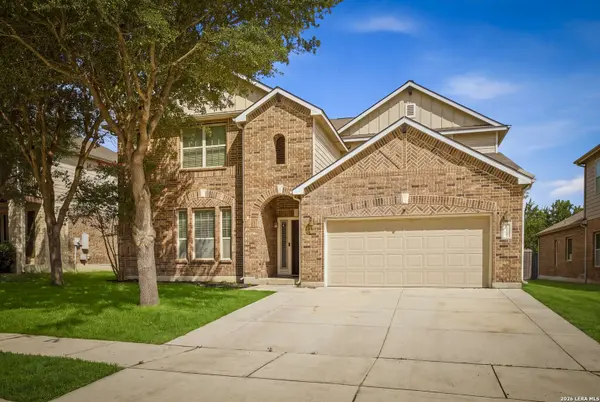
3113 Cameron Riv, Schertz, TX 78108. Photo: Sharp Realty Group.
The same yard can matter in different ways depending on why you are buying it. Here is how the priorities shift for three common kinds of buyers:
New Construction Buyers
Current Texas law exempts a new home that has never been lived in from the Seller's Disclosure Notice, so the drainage and flooding questions fall to you. Walk the lot after the final grade is set, watch how water moves across it after a rain, and confirm the drainage swales between homes are clear.
Ask what the builder includes, since sod, trees, irrigation, and fencing can vary by community and price point. A lot backing to a greenbelt or creek may carry a premium along with its own flood questions. A third-party inspection before closing, and another before the builder warranty ends, can catch grading problems while the builder may still cover them, though warranty terms vary by builder.
Relocating PCS Buyers
Many military families buy on a single house-hunting trip or from another duty station entirely. On a live video tour, ask your agent to step outside and show you each of these.
- The full fence line, gates included.
- The grade along each side of the house.
- Each downspout and where its water ends up.
- The trees closest to the roof and slab.
- The view and noise from the back patio.
- The shed, pool equipment, or sprinkler controller.
With a U.S. Department of Veterans Affairs (VA) loan, the appraisal checks the home against the VA's Minimum Property Requirements, which focus on whether a home is safe, structurally sound, and sanitary, so a problem the appraiser flags in the yard could become a repair item before closing. The VA updates these requirements from time to time, and lenders may add their own conditions, so confirm the current rules with your VA lender. The inside deserves the same care, so before you tour a two-story home in San Antonio on video, plan a room-by-room check to go with the yard walk.
Rental Property Investors
As someone who owns and self-manages rental homes in this corridor, I find the most useful question about a yard is what it will cost to keep it the way the lease and the HOA expect while a tenant lives there. Low-maintenance landscaping, a solid fence and gates, irrigation on a timer, and trees trimmed away from the roof tend to mean fewer maintenance calls and fewer HOA notices.
Decide up front who handles lawn care and watering-day compliance, and put it in the lease. A pool may draw renters, but it also adds upkeep and liability, so price both before you buy, and talk with your insurance agent and a tax professional about your specific situation.
Builder inclusions, VA requirements, and lease rules vary by builder, lender, and situation, so confirm them with the builder, your lender, and a qualified professional.
On a video tour of 3113 Cameron Riv in Schertz, a five-bedroom Fairway Ridge home about 10 minutes from Randolph, ask your agent to step onto the covered patio and show you the tree-shaded yard behind it. Like 103 Chadwick Dr and 672 Planters Pass, it accepts VA financing. Listing details can change, so confirm them before a showing.
Closing on Your San Antonio Home With the Lot Fully Checked
The rainstorm after closing, the survey surprise, and the oak that browns out the first summer are far less likely to catch you off guard once the lot gets the same attention as the kitchen. You can walk into the option period knowing what to ask for, who to call, and which problems are worth negotiating rather than discovering later. When a Military Relocation Professional (MRP) in San Antonio walks the lot with you, in person or over video, those checks fit inside your deadlines instead of competing with them.
A good yard is one you can enjoy without worrying about what sits under it, behind it, or over it. Take the walk, ask the questions, and buy the home with a clear picture of what the outside will ask of you.
Ready to Walk Your Next Lot Before You Buy?
I am Anthony Sharp with Sharp Realty Group, a U.S. Air Force veteran who helps buyers and military families across San Antonio, Schertz, Cibolo, Universal City, and the JBSA corridor check the yard as carefully as the house. Whether you want a second set of eyes on a lot, a flood map, or an inspection report, let's talk.
Call or text: 210-997-0763
Schedule a time: book a consultation
Email: anthony@sharprealtygrouptx.com
Office: 213 Terramar, Cibolo, TX 78108
Frequently Asked Questions (FAQs)
Does a Texas home inspection cover the backyard?
Partly. A TREC-licensed inspector reports on grading and drainage and on porches, decks, and carports as part of the standard inspection. Sprinkler systems, pools and spas, outbuildings, private wells, and septic systems are optional, so they are covered only when you ask for them.
Trees and property lines fall outside a home inspection, so those go to an arborist and a surveyor. Scopes can vary by inspector and agreement, and TREC can revise its standards.
How can I tell if a San Antonio home is in a flood zone?
Search the address on FEMA's Flood Map Service Center, then read the flood questions on the Seller's Disclosure Notice. The disclosure covers only what the seller knows.
Bexar County's floodplain maps are being updated, and the final maps may differ from the drafts, so a home outside today's high-risk zone could fall inside a future one. Ask your insurance agent for a flood quote either way.
Is my fence the property line in Texas?
Not necessarily. Fences are often built near the line rather than on it, and only a survey shows the actual boundary.
Compare the survey with the fence, driveway, and any sheds, and raise anything that crosses a line with your title company before your objection deadline. A real estate attorney can advise on a boundary dispute.
Can an HOA fine me for a brown lawn during watering restrictions in Texas?
Generally no. Under a Texas law that took effect September 1, 2025, an HOA cannot fine an owner for brown or discolored turf during a residential watering restriction, or for 60 days after it lifts.
Associations also cannot ban drought-resistant landscaping, though many require you to submit plans first. Read your HOA's rules and confirm how the law applies to your community.
Should I hire an arborist before buying a house with big trees?
It can be worth it when large oaks or trees near the roof and slab are a big part of what you are paying for. A home inspector may note limbs touching the roof, but tree health sits outside a standard inspection.
Schedule the visit early in your option period so the findings arrive while you can still negotiate.
Do builders give a seller's disclosure on new construction in Texas?
Usually not. Current Texas law exempts a never-occupied new home from the Seller's Disclosure Notice, so the flood and drainage questions it covers fall to you.
Check the flood map, walk the lot after a rain when you can, and hire a third-party inspector before closing. At Sharp Realty Group, I register new-construction buyers on their first builder visit, which is a good time to ask what the lot includes and how its drainage was designed.
* * *
Disclaimer: This article is general information only and does not consider your individual financial, tax, or legal circumstances. Flood maps, watering rules, inspection standards, disclosure forms, VA requirements, and HOA laws change and are provided as a general guide, not a guarantee. Nothing here guarantees financing, approval, appreciation, or resale value. Before making a decision, speak with a qualified professional such as a REALTOR®, a licensed inspector, a lender, or an attorney about your specific situation.
Categories
- All Blogs (283)
- BAH (4)
- For Home Buyers (198)
- For Home Sellers (92)
- For Investors (45)
- For Military Service Members (188)
- For Renters (10)
- JBSA (7)
- Local Events (12)
- Local Real Estate News (40)
- Market Updates (43)
- Military Relocation (42)
- Neighborhood Tours (58)
- PCS Move (110)
- Property Tours (7)
- VA Loans (15)
Recent Posts