Title Insurance in Texas: San Antonio Buyer Guide 2026
Key Takeaways
- Title insurance in Texas is priced by the state, so the premium is the same at every title company, and an owner's policy on a $300,000 home runs $1,768 under the current 2026 rate schedule, which TDI can revise.
- The owner's policy protects you, not your lender, carries over to your heirs, and costs a one-time premium.
- Who pays for the owner's policy and the survey amendment is set in your contract, while escrow fees vary by company and are worth comparing.
- Read the title commitment the day it arrives, because your contract sets a short window to object.
 Downtown San Antonio skyline at sunset. Photo: Pexels.
A few weeks after you go under contract, the title company emails you a commitment full of legal descriptions, Schedule B exceptions, and a deadline to object, while your Loan Estimate lists an owner's title policy you never shopped for. Title insurance in Texas runs on rules the state sets and can update, and the days after that email are when they matter most. Skim the commitment, and you could close on a problem the seller should have fixed.
I am Anthony Sharp, a U.S. Air Force veteran and REALTOR® with Sharp Realty Group in Cibolo, and I help buyers, sellers, and military families close across San Antonio, Schertz, Cibolo, Universal City, and the rest of the Joint Base San Antonio (JBSA) corridor. For San Antonio first-time buyers, title work joins the option fee, the survey, and earnest money on the list of steps that tend to raise questions.
Below, I cover what a Texas title policy protects, what it costs under the rates that took effect March 1, 2026, who usually pays, how to read the commitment, and what changes for buyers using a U.S. Department of Veterans Affairs (VA) loan, owners selling after a permanent change of station (PCS), and investors paying cash.
How Title Insurance in Texas Protects Your Home
Title insurance looks backward. It protects you from ownership problems that were already there when you bought the home but went unnoticed, which sets it apart from most policies you will carry as an owner. The Texas Department of Insurance (TDI) standardizes the policy forms, so switching title companies does not change the wording of your coverage. The pieces fit together like this:
The Owner's Policy
The owner's policy protects you. Most Texas homes are covered by the residential owner's policy, known as Form T-1R, and it protects you, and later your heirs, for as long as the home stays yours, with no renewal and no yearly premium. Coverage is capped at the policy amount, which is usually your purchase price, so it does not grow as the home gains value, and its terms follow the TDI form in effect when you buy. It takes effect at closing, though the printed policy usually arrives about 30 days later, a timeline that can vary by title company. File it with your deed.
The Loan Policy
The loan policy protects your lender, and only your lender. Texas law does not require title insurance, but a lender will require a loan policy as a condition of your mortgage, along with any endorsements its own guidelines call for. It does nothing for your equity, which is how a buyer who skips the owner's policy can end up with a fully insured lender and an uninsured owner.
The Covered Risks
Before closing, a title examiner digs through the county's public records, from old deeds and mortgages to court judgments and tax rolls, and that is where many problems surface. The harder ones look clean on paper. Depending on the policy language and its exceptions, covered risks can include:
- A forged deed or a signature obtained through fraud somewhere in the chain of ownership.
- A deed signed under a power of attorney that was invalid or had already expired.
- An unknown heir who later claims an interest in the property.
- A prior mortgage, judgment, or contractor's lien that was never paid off or released.
- A document that was filed or indexed incorrectly in the county records.
- Unpaid property taxes or homeowners association (HOA) dues left behind by a previous owner.
The Coverage Limits
Title insurance is not homeowners insurance. It will not pay for fire, flood, or other damage to the house, and TDI points out that it does not promise you can sell or borrow against the home later. The gaps worth knowing before closing include:
- Problems you create or already knew about before closing.
- Defects that arise after the policy date.
- Boundary disputes with a neighbor, unless you add survey coverage.
- Zoning, building code, and land use violations.
- Restrictions disclosed in your commitment, including HOA rules.
- Homestead or community property claims by your own spouse.
The exact covered risks and exclusions sit in your policy and can differ between form versions, so read those sections or ask the title company to walk you through them.
Title Insurance Costs in San Antonio for 2026
In Texas, the state sets the title insurance premium, so it does not change from one title company to the next. TDI fixes the basic rates by commissioner's order. A 6.2% reduction ordered on December 19, 2025, took effect March 1, 2026, so a quote built on the older schedule deserves a second look. Here is the owner's policy premium at common San Antonio price points:
| Purchase Price | Owner's Policy Basic Premium | Survey Amendment at 5% |
|---|---|---|
| $200,000 | $1,274 | About $64 |
| $250,000 | $1,521 | About $76 |
| $300,000 | $1,768 | About $88 |
| $350,000 | $2,015 | About $101 |
| $400,000 | $2,262 | About $113 |
| $500,000 | $2,756 | About $138 |
Using the 2026 Texas title rate chart, you can price any policy between $100,001 and $1,000,000 by taking the amount above $100,000, multiplying it by 0.00494, and adding $780. These figures are illustrations only, and a future commissioner's order or an endorsement on your file could change the final number.
The Simultaneous Issue Discount
When the owner's policy and the loan policy are issued together at closing, TDI's simultaneous issue rule, as currently written, sets the loan policy at $100, provided the loan amount does not exceed the owner's policy amount. That rule shrinks the real cost of owner's coverage. On a $300,000 purchase with a $290,000 loan, the two policies together cost $1,868 at basic rates. Skip the owner's policy, and the loan policy alone costs $1,719 at the full basic rate. In that illustration, owner's coverage adds about $149 to the total, assuming no endorsements and today's TDI rates.
The Non-Premium Title Fees
The premium is fixed, but not every line on the title company's fee sheet is. TDI's consumer guidance notes that escrow and closing fees vary from one company to another, so they are worth comparing. On a typical closing statement, expect items such as:
- An escrow or closing fee for handling the funds and paperwork, which the standard Texas resale contract splits evenly between buyer and seller by default.
- Tax certificates showing whether property taxes are paid.
- County recording fees for the deed and the deed of trust.
- Lender-required add-ons to the loan policy, called endorsements, some of which run $25 each under current TDI rules.
- The survey amendment, when the contract calls for one.
- Courier or delivery charges.
When you add up the closing costs San Antonio buyers face, title charges sit alongside lender fees, the appraisal, and prepaid taxes and insurance. Ask the title company for a written fee sheet early, since non-premium charges vary by company and can change.
Who Pays for Title Insurance in a Texas Home Sale
 672 Planters Pass, Schertz, TX 78154. Photo: Sharp Realty Group.
No Texas law assigns the premium to the buyer or the seller. That answer lives in the purchase contract, which for most resale homes in San Antonio is the Texas Real Estate Commission (TREC) One to Four Family Residential Contract (Resale). The current version, Form 20-19, became mandatory July 1, 2026, and TREC revises its forms from time to time, so the version on your contract controls. Three choices in it decide who pays for what:
The Premium Checkbox
Paragraph 6A says the seller will furnish an owner's policy, then uses a checkbox to decide whether the seller or the buyer pays for it. The contract's standard expense list already puts the loan policy and any lender-required endorsements on the buyer, so this checkbox is really about the owner's policy, and it is open to negotiation. With more homes for sale in San Antonio this year, buyers have more room to ask for help with closing costs, and title charges are among the costs a seller credit can cover, subject to your lender's limits.
The Survey Amendment Option
Paragraph 6A(8) deals with the standard survey exception, which keeps boundary and area problems outside your coverage. The contract lets you leave that exception alone or have it amended to read "shortages in area," and it says whether the buyer or the seller pays. On a residential owner's policy, TDI's current rate rules set the amendment at 5% of the basic premium, about $88 on a $300,000 home, which is modest next to the cost of a fence or driveway dispute with a neighbor. Paragraph 6C separately covers the survey itself, either the seller's existing survey with a TDI affidavit or declaration, or a new one, and who pays for it, though the title company and your lender each decide whether a survey is acceptable.
The Title Company Choice
The contract names the title company, and both parties agree to it. TDI is clear that you can use any licensed title company, and Section 9 of the federal Real Estate Settlement Procedures Act (RESPA) bars a seller from making a particular one a condition of the sale. TDI also notes that you do not have to use a title company picked by a builder, agent, or lender, so when a builder's incentive comes tied to its preferred title company, compare the full fee sheet instead of the incentive alone. To confirm a company's license, call TDI's consumer help line, listed at 800-252-3439 as of this writing.
Contract terms follow the TREC form in effect on your contract date, and fees, customs, and lender rules can change, so confirm each choice with your agent and lender before you sign.
Some sellers are already putting money toward closing costs. At 672 Planters Pass in Schertz, a four-bedroom Kramer Farm home listed at $375,000, the sellers are offering an $8,000 credit with an acceptable offer. Terms can change, and your lender decides how a credit can be applied.
Reading Your Texas Title Commitment Before Closing
The title commitment is the title company's promise to insure you once certain conditions are met, and it follows a standard TDI form that the agency can update. Under the current TREC resale contract, the commitment and copies of the exception documents are due within 20 days after the title company receives the contract, with an extension of up to 15 days or until three days before closing, whichever comes first. You then have the number of days written into Paragraph 6D to object in writing. Each schedule deserves its own read:
Schedule A and the Legal Description
Schedule A names the proposed insured, the policy amount, the current owner of record, and the legal description of the land. Check that your name is spelled the way it will appear on the deed and that the owner of record is the person or people selling to you. Then compare the lot and block against the survey and the subdivision plat. A mismatch is far simpler to fix before closing than after.
Schedule B and the Exceptions
Schedule B lists what the policy will not cover. Some exceptions are routine, such as the subdivision's recorded restrictions, utility easements shown on the plat, and the current year's property taxes. Others deserve a closer look, such as an easement crossing the backyard, a pipeline right-of-way, or a mineral reservation, since an easement that looks minor on paper can limit where a pool or fence goes. Ask for any exception documents that did not arrive with the commitment, and read every one that touches the lot. Which exceptions you can object to depends on the terms of your contract.
Schedule C and the Requirements
Schedule C lists what has to happen before the policy can be issued. Typical items include paying off the seller's mortgage, releasing old liens, and recording any paperwork that shows the seller has the right to sell, such as documents tied to an estate or a divorce. Requirements vary by title company and underwriter, and your lender may add conditions of its own. Missing your objection deadline does not waive these requirements under the TREC contract, but a long list can still push back your closing date.
When you object in time, the seller generally has a 15-day cure period. An objection that goes uncured leaves you options under the contract, which can include ending the deal with your earnest money refunded. The TREC contract itself recommends a quick attorney review of the commitment, given how short the objection window is, and that matters most when Schedule B or C looks unusual. Deadlines depend on the days written into your contract and the form version in use, so confirm them with your agent.
Every HOA home brings its recorded restrictions into Schedule B. Before you tour 3113 Cameron Riv in Schertz, a five-bedroom, 3,526-square-foot home in the Fairway Ridge HOA community listed at $429,900, it helps to request those restrictions and read them early. Listing details can change before closing.
Title Insurance Tips for JBSA Buyers, Sellers, and Investors
 103 Chadwick Dr, San Antonio, TX 78227. Photo: Sharp Realty Group.
A military family buying on orders, an owner selling from a new duty station, and an investor paying cash each run into title questions a typical buyer rarely sees. Each path changes the title steps a little, and one risk applies to all of them:
Using a VA Loan
Under current VA guidelines, you can pay for the title search and title insurance, but escrow and settlement charges cannot be billed to you as separate line items. They fall under the lender's flat charge of up to 1% of the loan, and the TREC contract applies any seller help with closing costs to charges like these first, so factor them into your offer and let your lender confirm how the fees are split. One more wrinkle comes up when the VA funding fee is rolled into the loan. On a $300,000 purchase with the 2.15% first-use fee financed, the loan grows to $306,450, more than the owner's policy amount, and the loan policy then costs about $132 instead of $100 in that illustration. Funding fee rates, exemptions, and how each lender handles its flat charge can change, so confirm your numbers with your lender.
Closing From a Distance
PCS timelines rarely line up neatly with closing dates. When your report date and the closing date do not match, ask the title company early how it handles closings you cannot attend in person, since a power of attorney can let someone sign in your place. An invalid or expired power of attorney can itself become a title problem, and acceptance rules differ by lender and title company, so ask early whether they will accept yours, and get the draft to them well before closing week.
Selling After PCS Orders
When the contract assigns the owner's policy to the seller, the commitment's Schedule C becomes the seller's to-do list. Payoffs, releases of old liens, and any missing signatures all need attention before closing. A sale structured as a VA loan assumption still transfers title to the buyer taking over your loan, who can protect that ownership with an owner's policy. Owners who leave a vacant house or rental behind should also watch for deed fraud. The Bexar County Clerk currently offers a free alert that emails you whenever a document with your name is filed in county records, and it is worth asking the clerks in Guadalupe and Comal counties whether they offer something similar, since county services can change.
Buying as an Investor
Cash buyers are not required to buy title insurance, and some choose to skip it. As someone who owns and self-manages rental homes in this corridor, I see the owner's policy carrying more weight on a cash purchase, because no lender is ordering a loan policy or holding coverage of its own. TDI notes that policy language has changed over time, so before you deed a home into a limited liability company (LLC), read the continuation of coverage section of your policy and ask the title company and an attorney how the transfer affects it. A federal rule requiring reports on all-cash home purchases by LLCs and trusts took effect March 1, 2026, and was struck down by a federal court in Texas on March 19, 2026. The government has appealed, so ask your title company what applies when you close.
Protecting Your Closing Funds
Wire fraud targets the moment you move the most money. The Federal Bureau of Investigation's Internet Crime Complaint Center logged 12,368 real estate fraud complaints and about $275 million in reported losses in its 2025 report, the latest available as of this writing, and the category covers more than closing scams alone. TDI's advice is to verify electronic payment instructions directly with your title agent, so before you wire earnest money or funds to close, call the title company at a number you already trust rather than one printed in an email.
VA fee rules, county alert services, and federal reporting requirements can change, and every lender, title company, and agency applies its own policies, so confirm the current rules for your file with the professionals handling it.
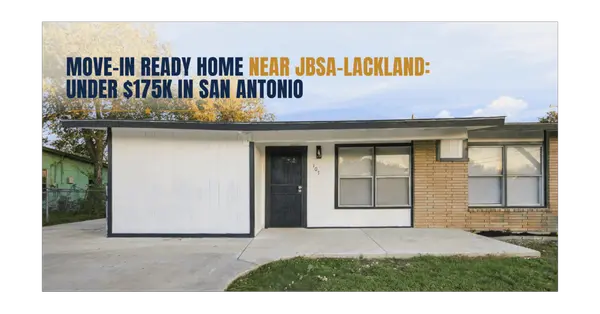
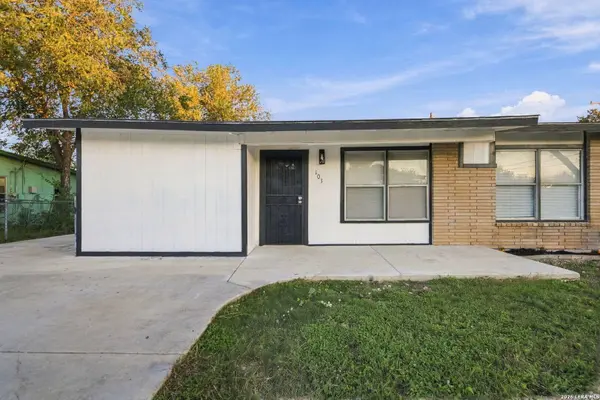
Older homes carry longer recorded histories, which is where a careful title search earns its keep. For a three-bedroom 1963 ranch like 103 Chadwick Dr in San Antonio, listed at $172,000 in Valley Hi near JBSA-Lackland, that history reaches back decades. The listing accepts VA financing, and details can change before closing.
Closing on Your San Antonio Home With Clear Title
That commitment email no longer has to feel like a test you might fail. You know what the owner's policy protects, what it should cost, and where to look before your objection window closes. When a military relocation specialist reads title work alongside the contract, the lender's conditions, and your report date, those deadlines are far less likely to sneak up on you.
Clear title is what lets you file a homestead exemption, refinance, rent the home after your next set of orders, or sell it years from now without someone else's claim standing in the way. A few careful hours with the commitment now protect every one of those options, and they let you walk into closing knowing the deed you sign is the deed you expected.
Ready to Close With Clear Title in San Antonio?
I am Anthony Sharp with Sharp Realty Group, a U.S. Air Force veteran who helps buyers, sellers, and military families across San Antonio, Schertz, Cibolo, and the JBSA corridor work through title commitments, fee sheets, and closing timelines. Whether you want a second set of eyes on a commitment or a plan for closing from another duty station, let's talk.
Call or text: 210-997-0763
Schedule a time: book a consultation
Email: anthony@sharprealtygrouptx.com
Office: 213 Terramar, Cibolo, TX 78108
Frequently Asked Questions (FAQs)
Is title insurance required in Texas?
No state law requires it. Your lender will require a loan policy, but the owner's policy is your choice. On a financed purchase, adding it costs less than the sticker price suggests, because under current TDI rules the loan policy drops to $100 when both are issued together.
How much does title insurance cost on a $300,000 home in San Antonio?
At the TDI rates in effect since March 1, 2026, the basic premium for a $300,000 owner's policy is $1,768, and the simultaneous loan policy is $100 when the loan does not exceed the purchase price. Escrow fees, endorsements, recording fees, and a survey amendment of about $88 can add to that. The state sets these rates and can change them by commissioner's order.
Who pays for the owner's title policy in San Antonio?
It is negotiated in the contract. In the current TREC form, Paragraph 6A decides who pays for the owner's policy, while the contract's standard expense list puts the loan policy on the buyer. Settle it before you sign, since it is hard to revisit once the contract is executed.
Can I choose my own title company in Texas?
Yes. Any licensed title company can handle your closing, and a seller cannot make a specific one a condition of the sale. The premium is the same everywhere under TDI's current rates, so compare escrow fees and, on a PCS timeline, how the company handles closings you cannot attend in person.
Do I need an owner's title policy if I pay cash?
Nothing requires it, but with no lender involved, the owner's policy would be your only title coverage. It stays with you for as long as you own the property, which matters on a rental you plan to hold for years.
What happens if the title search finds a lien on the home?
A seller's mortgage or an old contractor's lien usually shows up in Schedule C and gets paid off or released at closing. A tougher issue can push the closing date while the seller works on it, and your contract spells out your options if it stays unresolved, based on the form version and deadlines you signed. Keep a close eye on those deadlines, or have your agent track them, so nothing slips while the title company works the file.
* * *
Disclaimer: This article is general information only and does not consider your individual financial, tax, or legal circumstances. Title insurance rates, contract forms, VA rules, and federal reporting requirements change and are provided as a general guide, not a guarantee. Nothing here guarantees financing, approval, title coverage, appreciation, or resale value. Before making a decision, speak with a qualified professional such as a REALTOR®, a licensed lender, a title company, or a real estate attorney about your specific situation.
Categories
- All Blogs (278)
- BAH (4)
- For Home Buyers (194)
- For Home Sellers (91)
- For Investors (42)
- For Military Service Members (185)
- For Renters (10)
- JBSA (7)
- Local Events (12)
- Local Real Estate News (40)
- Market Updates (42)
- Military Relocation (42)
- Neighborhood Tours (58)
- PCS Move (109)
- Property Tours (7)
- VA Loans (15)
Recent Posts