
Safest Places to Live Near JBSA? How to Check in 2026
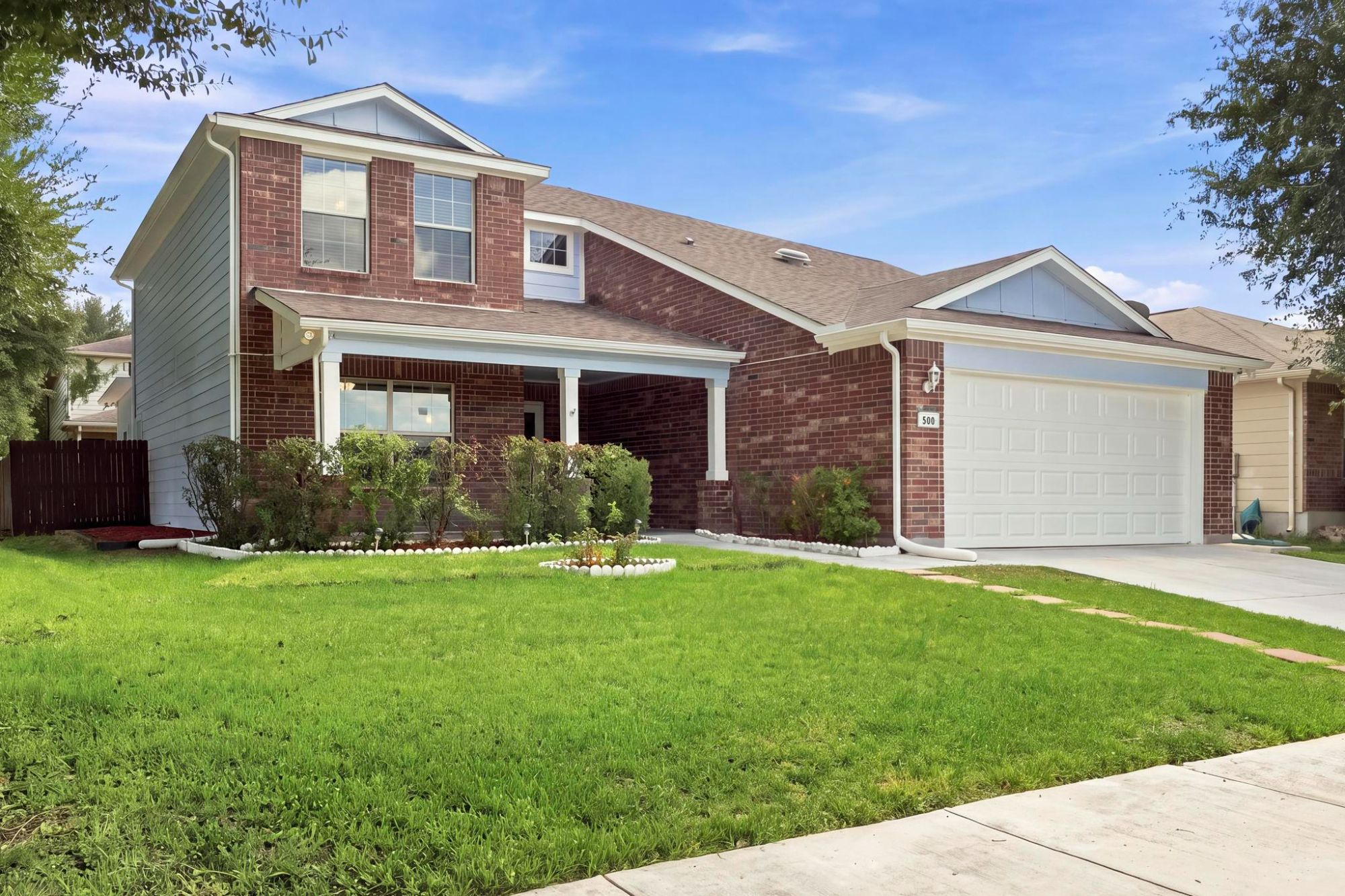
672 Planters Pass, Schertz, TX. Photo: Sharp Realty Group.
Key Takeaways
- City limits, ZIP codes, and county lines split crime data, so no citywide ranking can speak for a single street.
- Reported crime from the agency that patrols an address, through the FBI and Texas DPS portals, gives a truer picture than any list.
- Safety near JBSA also covers flood zones, Randolph's accident potential zones, and the condition of the home itself.
- Driving the area at different hours and asking local police and the JBSA housing office fill the gaps the data leaves.
Your permanent change of station (PCS) orders to Joint Base San Antonio (JBSA) are in hand, and at 11 p.m. your spouse texts you a list of the safest places to live near base. It names different suburbs than the one you read at lunch, and neither answers the question you care about, which is whether the street you are about to buy on fits your family. Finding safe neighborhoods near JBSA takes better tools than whichever ranking loads first.
I am Anthony Sharp, a U.S. Air Force veteran and REALTOR® with Sharp Realty Group in Cibolo, and safety comes up early for families PCSing to JBSA from another duty station. I have lived in Cibolo for more than six years, I serve on the Cibolo Planning and Zoning Commission, and I own and self-manage rental homes in this same corridor, so I see these neighborhoods as a resident, a landlord, and an agent.
Fair housing rules keep me from labeling neighborhoods safe or unsafe, so instead I show you where the official data lives, how to read it, and which safety questions crime numbers never cover, from flood maps to the flight paths around JBSA-Randolph. With those tools, Schertz, Cibolo, Universal City, and the rest of the northeast San Antonio corridor become far easier to compare on your own terms.
Why Rankings of Safe Places Near JBSA Fall Short
Online rankings are built for clicks, and most of them flatten an entire city into one score. Before you lean on one, it helps to know where that score breaks down:
City Boundaries Behind Mailing Addresses
A mailing address in Schertz does not always mean a home sits inside Schertz city limits. ZIP codes in the corridor cross city and county lines, and 78108 alone covers homes in both Cibolo and Schertz. A home outside city limits may be patrolled by a county sheriff's office rather than a city police department, which means a city-level ranking might not describe it at all.
Schertz itself spans parts of Guadalupe, Bexar, and Comal counties, so two homes with the same city name can fall under different county services. City limits and patrol areas can change as cities grow, so confirm the jurisdiction for any address with the city or the county appraisal district before you compare numbers.
Skewed Rates Near Retail Corridors
Crime rates are usually reported per 100,000 residents, but shoppers, commuters, and travelers do not count as residents. A smaller city with a busy retail stretch along Interstate 35 (I-35) can post a higher property crime rate on paper because so many visitors pass through its stores and parking lots. That figure may say more about a shopping center than about a cul-de-sac three miles away, so look at where incidents happen, not only how many. The FBI and DPS set how these rates are calculated, and their methods can be revised.
Reporting Gaps in Crime Data
The Federal Bureau of Investigation (FBI) made the National Incident-Based Reporting System (NIBRS) its only national crime data standard on January 1, 2021, and agencies took time to complete the switch. Because the switch changed how crime is counted, numbers from before and after it may not line up neatly over a long stretch of years.
In Texas, the Department of Public Safety (DPS) builds its annual Crime in Texas report from local agency NIBRS submissions, and the 2025 edition reflects data reported by March 20, 2026. DPS also notes that its online portal can change as agencies add or correct records, so a list built on an older download may already be out of date. Reporting rules come from the FBI and DPS and can be updated at any time.
Fair Housing Limits on Neighborhood Opinions
The federal Fair Housing Act bars steering, which means guiding buyers toward or away from an area based on protected characteristics, which are race, color, religion, sex, national origin, familial status, and disability. Calling a neighborhood safe or unsafe can become a stand-in for those characteristics, which is why I point buyers to official sources instead of offering my opinion. You see the same facts I would look at, and the decision stays with you. Fair housing rules and HUD guidance can change, so specific legal questions belong with a real estate attorney.
How to Check Crime Data for Neighborhoods Near JBSA

A home buyer reviews printed paperwork at a kitchen table. Photo: Pexels.
Once you know a citywide score can mislead, the next step is going to the source. The most useful crime numbers come from the agency that answers 911 calls at a specific address, so start by matching each corridor city to its police department:
| City | Police Agency |
|---|---|
| Universal City | Universal City Police Department |
| Live Oak | Live Oak Police Department |
| Converse | Converse Police Department |
| Schertz | Schertz Police Department |
| Selma | Selma Police Department |
| Cibolo | Cibolo Police Department |
A home outside city limits may fall under a county sheriff's office instead, and boundaries can change, so confirm the agency for each address before you pull any numbers.
Pulling Agency Data From the FBI and Texas DPS
The FBI Crime Data Explorer lets you view reported crime for an individual agency, and the Texas DPS crime portal breaks data out by agency and county. Search for the specific police department from the table rather than the metro area, and compare at least three years so one unusual year does not skew your view. Check whether the agency reported a full 12 months each year, since partial reporting can make a number look lower than it is. The tools, available years, and search options may change as the FBI and DPS update their sites.
Separating Property Crime From Violent Crime
Property crime makes up most reported crime in Texas. The 2025 DPS report counts about 577,000 property offenses statewide, such as theft, burglary, and motor vehicle theft, against about 110,000 violent offenses, such as robbery and aggravated assault. Reading the two separately, and noting whether property incidents cluster around retail centers, gives a clearer picture than a single combined score. These totals reflect the 2025 report and can be revised as agencies correct their records.
Checking the State Sex Offender Registry
Texas DPS maintains a public sex offender registry that anyone can search online by name or by area. Registrations change, and by law not every registered offender appears on the public site, so search again before closing rather than relying on a check from your first showing. DPS and state law decide what the public site shows, and those rules can change. Use the information for awareness, and take any legal questions about it to an attorney.
Asking the Local Police Department
Each police department has a non-emergency number, and it is often the quickest way to fill in what the numbers leave out. A short call about patterns near a specific intersection, such as vehicle break-ins or speeding complaints, can surface details no ranking captures. What each department shares, and how, depends on its own policies.
Flood, Flight Path, and Home Safety Near JBSA
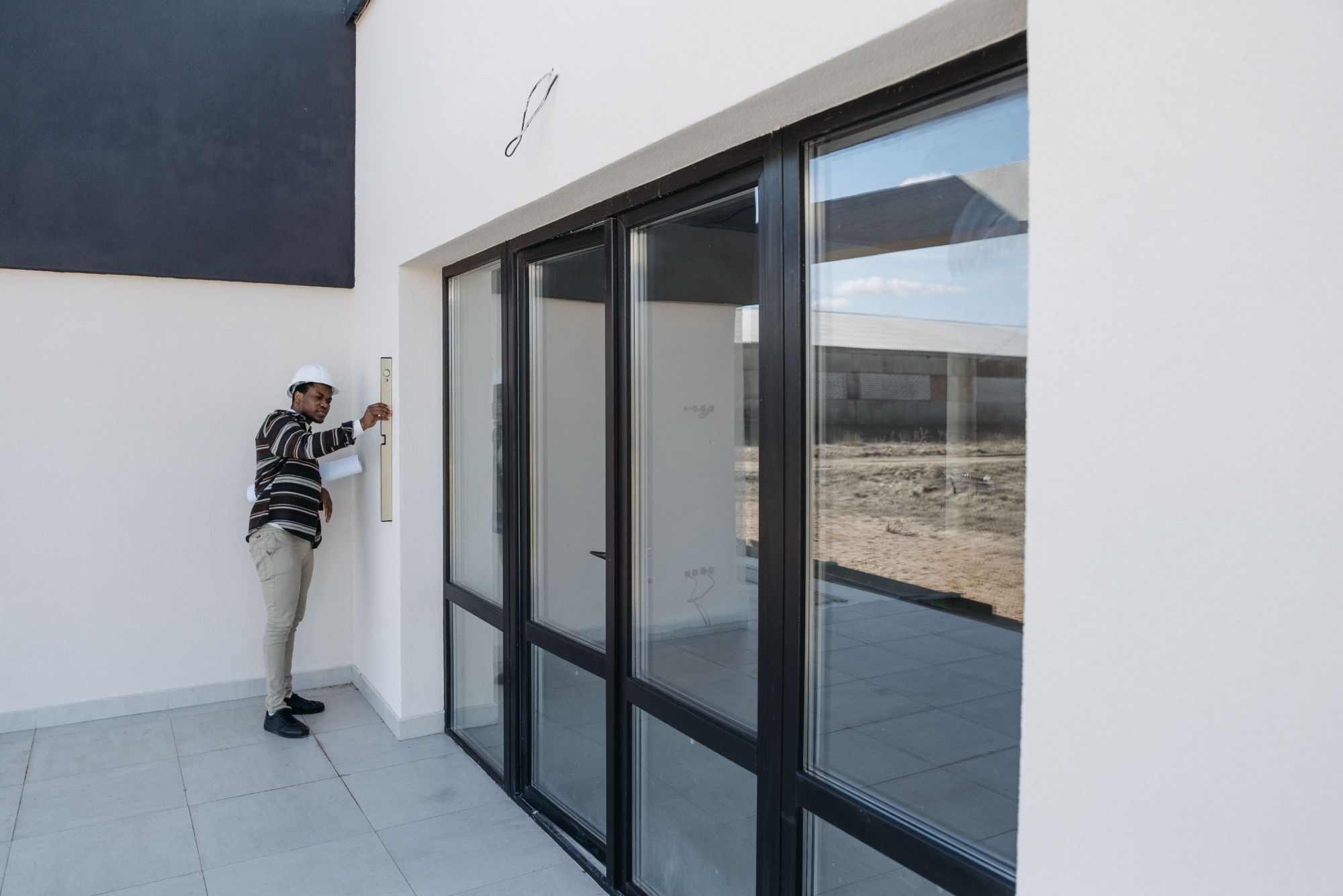
A home inspector examines the exterior wall of a house. Photo: Pexels.
Crime is only one piece of safety, and some of the biggest risks to a home never show up in a police report. Each one leaves a public record worth pulling before you write an offer:
Flood Zones Along Area Creeks
Some streets near creeks in the corridor sit in a mapped floodplain. The Federal Emergency Management Agency (FEMA) maintains flood maps that anyone can search by address at no cost, and a home in a 100-year floodplain carries at least a 1% chance of flooding in any given year. FEMA revises its maps from time to time, so a home's flood zone can change.
Lenders generally require flood insurance on a federally backed loan when the home sits in a high-risk flood zone, and standard homeowners policies typically exclude flood damage. Homes outside a mapped zone can still flood, and the San Antonio River Authority notes that about one in four flood claims come from low- to moderate-risk areas. The flood section of the Texas seller's disclosure asks whether a home sits in a floodplain, has flooded, or has had a flood claim, so it deserves a slow read before you write an offer. Flood insurance requirements depend on your lender, your loan program, and current FEMA rules, so confirm them with your lender and an insurance agent.
Accident Zones Around Randolph Runways
The Air Installations Compatible Use Zones (AICUZ) study for JBSA-Randolph marks a Clear Zone off each runway end, followed by Accident Potential Zone I and Accident Potential Zone II, which together reach nearly three miles out. The Air Force drew these zones from historical accident data, and homes inside them also tend to hear more aircraft noise. Any address you enter into the Universal City AICUZ map will show whether it sits in one of those zones under the base's 2017 study. The Air Force can update the study, and zone lines may shift when it does.
Schertz limits development in these zones, and its zoning code generally requires a favorable recommendation from JBSA-Randolph before certain zoning changes inside them can be approved, though city codes can be amended. As an Air Force veteran, I treat these zones as a fact to know before you fall for a floor plan, not a reason for alarm. How much aircraft noise you can live with is a personal call.
Safety Features Inside the Home
Some of the most important safety details sit inside the walls and on the roof. These are the items I ask buyers to have their inspector look at closely.
- Working smoke alarms in bedrooms and hallways, plus carbon monoxide alarms in homes with gas appliances or an attached garage.
- Exterior door locks, deadbolts, and sliding door latches that close and lock cleanly.
- Window latches that work, especially on ground-floor windows.
- The electrical panel, including any signs of overheating or outdated wiring.
- The roof's age and condition, since this region sees hail and heavy storms.
- Exterior lighting at the entry, the driveway, and the backyard.
- Pool barriers and self-closing gates, when the home has a pool.
Inspection scope and code requirements vary by inspector, city, and the age of the home, so treat this list as a general guide and ask your inspector what the report covers.
Buyers touring 672 Planters Pass in Schertz, one of my listings in Kramer Farm, will find a roof replaced in 2022, so one of the bigger inspection questions already has an answer. All three bathrooms were remodeled in 2026, and the home sits off Schertz Parkway within walking distance of the police station, YMCA, and Civic Center. The 2013 two-story has four bedrooms, including a main-floor primary suite. It is listed at $375,000, is open to U.S. Department of Veterans Affairs (VA) financing, and comes with an $8,000 seller credit with an acceptable offer. Listing terms can change, so confirm current details before you schedule a showing.
Testing Safe Neighborhoods Near JBSA in Person
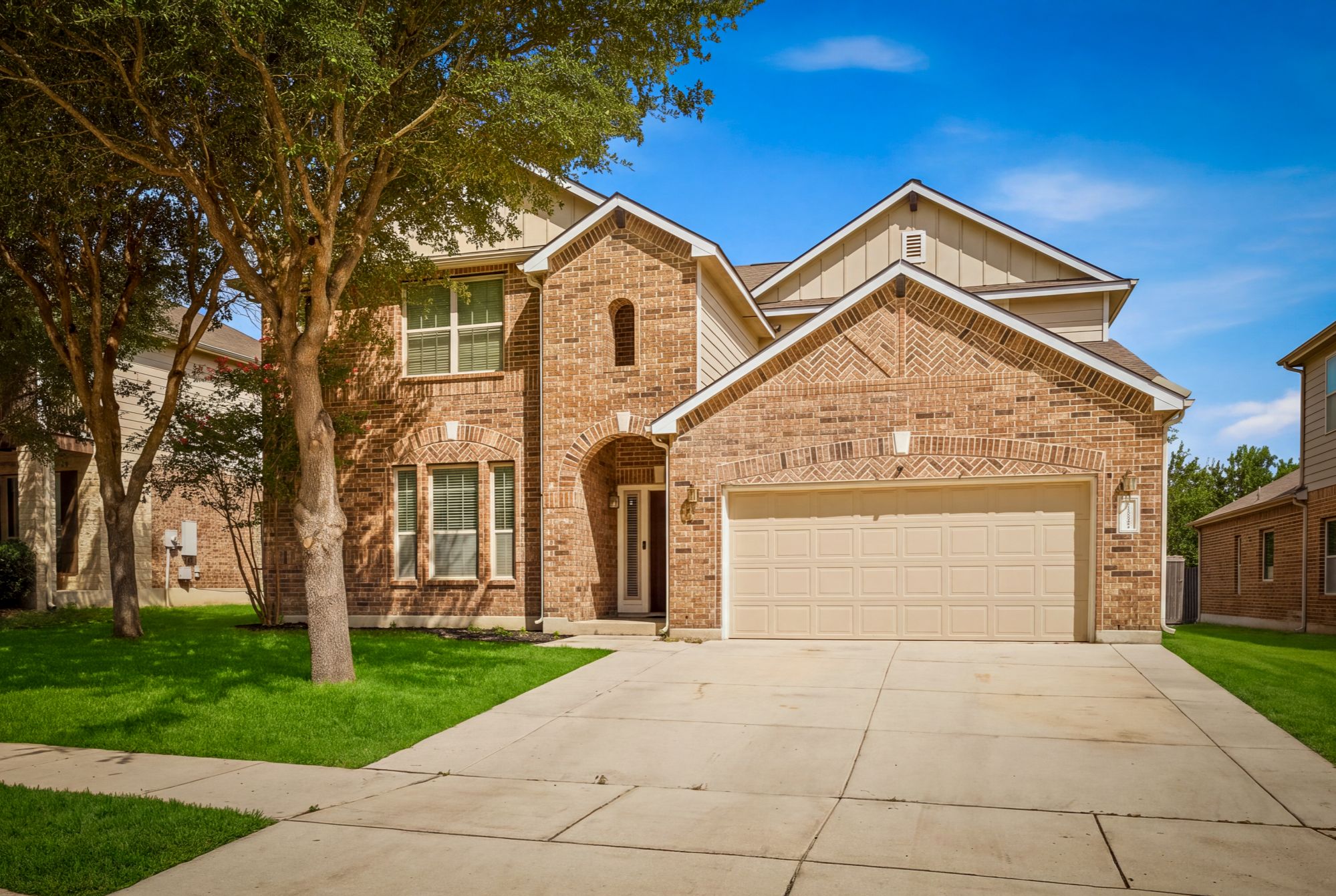
3113 Cameron Riv, Schertz, TX. Photo: Sharp Realty Group.
Data narrows the list, and a few hours on the ground fills in what the numbers leave out. Build these checks into your house-hunting trip:
Touring Streets at Different Hours
A street that feels quiet at 10 a.m. on a Tuesday can look different at 5 p.m. on a Friday or after dark on a Saturday. Drive past your top homes at least twice, once during the workday and once in the evening, and notice lighting, traffic speed, parking, and noise. Buyers on a tight PCS timeline can ask their agent to film a short evening drive-by when a second visit is not possible, depending on what your agent offers.
Driving Your Route to the Gate
Traffic is the safety risk you are likely to face most often, and it rarely shows up in a neighborhood ranking. Drive your actual route to your JBSA gate at your report time, and note school zones, left turns across busy roads, and stretches of I-35 or Farm-to-Market Road 78 (FM 78) where merging traffic or construction slows things down. Road projects and school zone hours change, so drive it again close to your move. A slightly longer drive on calmer roads may suit some families better than the shortest path on a map.
Reading Street Design and Lighting
Much of a neighborhood's feel is set at the planning stage, long before the first house goes up. Street width, sidewalks, through traffic, cul-de-sacs, and streetlight placement all shape how a street works day to day. Whether you tour an established Schertz neighborhood or a newer phase, notice whether sidewalks connect to parks and schools, whether drivers use the streets as a shortcut, and whether entrances and common areas are well lit.
Meeting Neighbors and Local Police
Neighbors often know which corner collects speeders and which low spot holds water after a storm. Many Texas cities hold National Night Out on the first Tuesday in October, and in Schertz, police and city representatives have visited registered neighborhood parties that evening. Homeowners association meetings, city newsletters, and community social media groups also show what residents talk about, though online posts are opinions, not data. Event dates and city participation can change from year to year.
Anyone touring 3113 Cameron Riv in Schertz, one of my listings in Fairway Ridge, will see how county and school lines can differ from a city name. The home is recorded in Comal County and zoned to Comal Independent School District (Comal ISD), with Garden Ridge Elementary, Danville Middle School, and Davenport High School listed for it. The 2013 brick two-story has five bedrooms, three full baths, and a brand-new heating, ventilation, and air conditioning (HVAC) system. It is listed at $429,900 and sits about 10 minutes from Randolph. School assignments and listing terms can change, so verify both before you make an offer.
Neighborhood Safety Near JBSA for Military Families, Sellers, and Investors
Each side of a transaction brings its own safety questions, and the records that answer them shift with your role:
Military Families Buying From a Distance
Each of the three main JBSA locations has a Military Housing Office (MHO), and its counselors help with off-base searches, lease reviews, and local housing questions, with services that depend on each office's current policies. Rental listings on HOMES.mil, the Department of Defense housing site, are reviewed by the MHO for discriminatory content and safety concerns before approval, which makes the site a useful cross-check for families who plan to rent first. How listings are reviewed follows current Department of Defense guidance and can change.
Families planning to buy should know that both listings I mentioned above accept VA financing, though loan approval depends on your lender and current VA guidelines. Parents can also ask each school district how it meets the state's requirement for an armed security officer on every campus, since districts handle it in different ways and state law and board decisions can change the approach.
Sellers Preparing for Safety Questions
Buyers relocating to JBSA will ask about safety, and the strongest answer a seller can give is documentation. Gather records for the roof, HVAC, electrical work, smoke alarms, and any flood history, and complete the seller's disclosure honestly. Disclosure forms and requirements are set by the Texas Real Estate Commission (TREC) and state law, and they can change. Keep descriptions of the neighborhood factual in listing remarks and conversations, and point buyers to official sources such as police data and FEMA flood maps. That keeps your listing within fair housing guidelines and builds trust with buyers doing their own homework.
Investors Leasing to JBSA Tenants
Tenants arriving on orders care about safety as much as buyers do, and as someone who self-manages rentals in this corridor, I pay close attention to the baseline Texas law sets for landlords. The Texas Property Code generally requires window latches, a keyed deadbolt or doorknob lock, a keyless bolting device, and a door viewer on exterior doors, plus a handle latch or security bar on sliding glass doors.
Landlords must also rekey the locks within seven days after each tenant turnover. Since January 1, 2022, they have had to give tenants a written notice stating whether they know the home sits in a 100-year floodplain and whether it has flooded in the past five years.
Landlord rules have exceptions and can change with each legislative session, so confirm the current requirements with a real estate attorney before you lease.
Choosing a Safe Neighborhood Near JBSA With Confidence
That late-night list from your spouse matters less now. You know which agency patrols an address, where its numbers live, how a retail corridor can tilt a crime rate, and why a flood map and the Randolph AICUZ map belong in the same folder as the listing photos. Working with a military relocation specialist who knows these records means the research can start well before your house-hunting trip.
The question has shifted from which suburb wins a ranking to whether this street, this house, and this commute fit your family. Safety near JBSA is something you can check address by address rather than take on faith, and once the records line up, you can make the call with a clear head.
Ready to Research Your JBSA Neighborhood Together?
I am Anthony Sharp with Sharp Realty Group, a U.S. Air Force veteran who helps military families, buyers, sellers, and investors research neighborhoods across Schertz, Cibolo, Universal City, and the JBSA corridor. Send me the addresses on your shortlist, and we can go through the crime data, flood maps, and commute for each one before you tour.
Call or text: 210-997-0763
Schedule a time: book a consultation
Email: anthony@sharprealtygrouptx.com
Office: 213 Terramar, Cibolo, TX 78108
Frequently Asked Questions (FAQs)
What are the safest neighborhoods near JBSA?
No single answer holds up for every street, and fair housing rules keep REALTORS® from ranking neighborhoods as safe or unsafe. A more reliable approach is to check reported crime for the agency that patrols each address, then look at FEMA flood maps and the Randolph AICUZ zones. Each of those sources is updated by its own agency, so check the latest version.
Driving the area at different hours fills in what the data misses.
How do I check crime rates for a home in Schertz or Cibolo?
Confirm which agency patrols the address first, since a home with a Schertz or Cibolo mailing address may sit outside city limits. Then search that agency in the FBI Crime Data Explorer or the Texas DPS crime portal and compare several years. Data availability can change as agencies update their reporting.
A call to the department's non-emergency line can add context about local patterns.
Is it safe to live near the Randolph flight line?
Many families live near JBSA-Randolph, and the AICUZ study shows where the higher-risk zones sit. Homes inside the Clear Zones and Accident Potential Zones carry higher accident risk and more aircraft noise than homes outside them.
Enter any address you are considering into the Randolph AICUZ map before you make an offer, and visit during flight hours to judge the noise for yourself. Zone boundaries can change if the Air Force updates its study.
How can I tell if a home near JBSA is in a flood zone?
Search the address on FEMA's free flood map, read the flood section of the seller's disclosure, and ask an insurance agent for a flood quote during your option period.
A home in a high-risk zone will usually need flood insurance for a federally backed loan, and homes outside mapped zones can still flood. Requirements vary by lender and loan program and can change with FEMA rules.
Do schools near JBSA have armed officers on campus?
Since 2023, Texas law has required at least one armed security officer at each public school campus during regular school hours, though districts can use approved alternatives when funding or staffing falls short.
Ask the district serving your address how it meets the rule, and confirm the zoned campus for each home, since attendance boundaries and district policies can change.
Can I research neighborhood safety before my PCS house-hunting trip?
Yes. Crime data, flood maps, the AICUZ map, and school information are all available online, and the MHO at your JBSA location can help with local questions, depending on its current services. An agent can also film evening drive-bys or commute runs for homes on your shortlist.
That kind of remote support is part of how I work with families arriving on orders, so the trip itself can focus on homes that already fit.
* * *
Disclaimer: This article is general information only and does not consider your individual financial, tax, or legal circumstances. Crime data, flood maps, AICUZ studies, school safety rules, landlord requirements, listing details, and other program terms change and are provided as a general guide, not a guarantee. Nothing here guarantees financing, approval, safety, appreciation, or resale value. Before making a decision, speak with a qualified professional such as a REALTOR®, a licensed lender, an insurance agent, or an attorney about your specific situation.
Categories
- All Blogs (269)
- BAH (3)
- For Home Buyers (187)
- For Home Sellers (90)
- For Investors (41)
- For Military Service Members (181)
- For Renters (9)
- JBSA (6)
- Local Events (12)
- Local Real Estate News (39)
- Market Updates (41)
- Military Relocation (40)
- Neighborhood Tours (57)
- PCS Move (107)
- Property Tours (5)
- VA Loans (13)
Recent Posts