
VA Loan Assumption in San Antonio: A 2026 Guide for Sellers and Buyers

Key Takeaways
- With a VA loan assumption, a qualified buyer takes over the seller's rate, balance, and remaining term, and the buyer need not be a veteran.
- Sellers keep their VA entitlement tied to the loan unless an eligible veteran buyer substitutes their own, so settle the release and any restoration in the contract.
- Buyers usually need cash or an approved second loan to cover the gap between the price and the loan balance.
- Expect a 0.5% funding fee unless exempt, capped servicer fees, and a 45-day servicer decision window once the file is complete, all subject to VA policy changes.
Your orders just came through, the mortgage on your house carries a rate you locked in 2021, and comparable homes nearby are sitting for months while buyers flinch at rates above 7%. A U.S. Department of Veterans Affairs (VA) loan assumption in San Antonio could turn that old rate into the reason your home sells, or it could quietly tie up the entitlement you were counting on for your next purchase. Which way it goes depends on decisions you make before you list.
I am Anthony Sharp, a U.S. Air Force veteran and REALTOR® with Sharp Realty Group in Cibolo, and I moved on military orders enough times to know how much rides on a home sale timed to a report date. When you are selling a military home in San Antonio, an assumable VA loan touches your price, your timeline, and your next VA purchase all at once.
Buyers have a stake too. Taking over a seller's low-rate loan can shrink a monthly payment, yet the qualifying rules, the cash needed at closing, and the Texas paperwork catch plenty of people off guard. Knowing both sides before you list or write an offer keeps an assumption from turning into a surprise.
VA Loan Assumption Basics in San Antonio
A VA loan can pass from one owner to the next with its rate intact, and the 2026 market has given that new weight around Joint Base San Antonio (JBSA). These basics come up in nearly every assumption conversation:
2026 Market Conditions
Start with the rate gap. Freddie Mac's weekly survey put the average 30-year fixed rate at 7.40% on October 8, 2026, up from 6.30% a year earlier. In early January 2021, the same survey hit 2.65%, a record low for a survey that began in 1971. VA loans written in that stretch can still carry rates far below today's, and an assumption is one of the few ways a buyer can step into one. The survey tracks conventional loans for borrowers with strong credit and 20% down, so your own quote can differ.
Local conditions add pressure. The San Antonio Board of REALTORS® (SABOR) reported an August 2026 median price just above $299,000, flat from a year earlier, with homes averaging about 82 days on the market and close to a six-month supply, according to Texas Public Radio. With that much inventory competing for the same buyers, a transferable low rate can help a listing stand out. Rates and market figures shift week to week, so treat these numbers as a snapshot, not a forecast.
Assumption Mechanics
In an assumption, the buyer takes over the seller's loan as it stands, including the interest rate, the remaining balance, and the remaining term. Under VA Circular 26-23-10, the servicer has to approve an assumption when the loan is current and the buyer is contractually obligated to buy the home, takes on full liability, and meets VA's credit and underwriting standards. VA has also warned servicers against refusing a package that meets those rules or denying one over their own added requirements, which VA calls overlays.
The buyer does not take out a new VA loan. They inherit the existing one, and the seller's equity, meaning the difference between the sale price and the loan balance, has to be paid some other way at closing. VA can revise these rules through new circulars, so confirm current terms with your servicer and a VA-savvy lender.
Buyer Eligibility
Assumptions are not limited to veterans. A civilian who qualifies with the servicer can assume a VA loan, and so can an active-duty member or veteran. The difference is what happens to the seller's entitlement.
An eligible veteran who plans to live in the home and has enough entitlement can swap in their own entitlement in place of the seller's, which restores the seller's benefit. A civilian buyer cannot, so the seller's entitlement stays tied to the loan. That one difference shapes nearly every decision a seller makes about an assumption. VA sets these eligibility and entitlement rules and can change them, so confirm where both parties stand with a lender before anyone signs.
A veteran buyer with full entitlement may not need an assumption at all. A new VA loan on a home like 672 Planters Pass in Schertz, a four-bedroom, two-story listing in Kramer Farm that accepts VA financing, may be possible with zero down, subject to lender approval and current VA rules. Listing details can change, so confirm them before you plan a showing.

672 Planters Pass, Schertz, TX. Photo: Sharp Realty Group.
VA Loan Assumption Strategy for San Antonio Sellers
For a seller on orders, an assumable loan can widen the pool of buyers, yet the same feature can follow you to your next duty station. These moves are worth making before the loan shows up in a listing:
Protecting Your VA Entitlement
Entitlement is the VA guaranty behind your loan, and having enough of it is what lets you buy again with zero down. Under VA's current guidance in Circular 26-23-10, your entitlement stays encumbered until the assumed loan is paid in full, unless the buyer substitutes their own. Depending on how much you have left, that could mean a down payment on your next home or a smaller zero-down budget at your next base.
VA expects servicers to give the selling veteran VA Form 26-10291, the Assumption Entitlement Acknowledgement, as soon as an assumption application comes in, and to have it signed no later than closing, though VA can revise the form or its timing. Read it closely. A lender can tell you how much entitlement you would have left, and that number should shape whether you accept an offer from a buyer who cannot substitute. Entitlement math depends on county loan limits and VA policy, both of which can change, so get the figure in writing instead of estimating it.
Securing a Written Release of Liability
Selling through an assumption is not the same as paying off the loan. VA currently treats an assumption as a transfer of ownership plus a release of liability, and that release is what ends your legal responsibility for the debt. Without it, a missed payment by the new owner can come back to you.
In Texas, the Texas Real Estate Commission (TREC) addendum for release of liability and restoration of the seller's VA entitlement, TREC No. 12-3, lets you decide in the contract what happens when either approval has not come through by the closing date. One option ends the contract and refunds the buyer's earnest money, and the other lets closing go forward without it. The form also makes the seller responsible for what it costs to obtain the release and restoration. TREC updates its forms periodically, so confirm the current version with your agent and title company, and ask an attorney how those choices affect you.
Marketing the Assumable Rate
A low rate only helps if buyers see it and trust it. Pulling the latest mortgage statement before the listing goes live keeps the rate, balance, and payment you advertise in line with the servicer's records. These details make an assumable listing easier for buyers and their lenders to evaluate.
- The current interest rate and approximate balance.
- The servicer's name, so a buyer's lender knows who will process the package.
- An estimated equity gap at the list price, so buyers can gauge the cash or second loan they need.
- A sample principal and interest comparison against current rates, clearly labeled as an estimate.
- A note on whether you will require a veteran buyer who can substitute entitlement.
- A lender contact who handles assumptions and second loans in Texas.
Loan figures change with every payment, so treat advertised numbers as estimates and confirm them with the servicer before going under contract. Local Multiple Listing Service rules on how financing terms appear in a listing can also change, so check the current guidelines before you publish.
Pricing the Home Around the Equity Gap
An assumable rate does not change what the house is worth. Buyers, and any lender funding a second loan, still judge it on condition, location, and recent sales. When you sit down to price your home to sell, start with the same comparable sales you would use for any other listing. What changes is the buyer pool. A larger equity gap narrows the field to buyers with substantial cash or access to a second loan, so a seller with plenty of equity may see fewer assumption offers even with an attractive rate.
For illustration only, picture a $360,000 sale on a loan with about $265,500 left. The buyer would need roughly $94,500 at closing, plus closing costs, in cash or through approved secondary borrowing. Your actual gap depends on your balance and final sale price, and how much a second loan can cover depends on that lender's guidelines.
VA Loan Assumption Steps for JBSA Buyers and Investors
Taking over a seller's loan can look like a shortcut, but it asks more of a buyer than a low rate suggests. Buyers and investors around JBSA usually work through the same steps before an assumption makes sense:
Passing the Servicer's Review
The servicer, not a lender you choose, underwrites the assumption, and VA requires the same documents it would for a VA purchase loan. That typically means income, asset, and credit paperwork, such as pay stubs or Leave and Earnings Statements, bank statements, and a credit report. Because the same factors behind VA loan credit score requirements apply here, your credit gets a full review, even if you are a civilian buyer. Score expectations and document requests follow VA guidance and the servicer's procedures, and either can change.
VA sets the processing rules, but response times can vary from one servicer to the next. Ask the listing agent early which servicer holds the loan, and have a lender who regularly handles VA files review your numbers before you write an offer.
Financing the Equity Gap
Many buyers cannot cover a large equity gap with savings alone, and VA Circular 26-24-17 confirms that a second loan alongside an assumption is generally allowed when it follows specific rules. Here is what the servicer needs to see.
- The second loan has to sit in a junior lien position behind the VA loan, which may call for a subordination agreement.
- The servicer records the second lender's name, the loan amount, and the repayment terms in the assumption file.
- The proceeds go only toward allowable closing costs or the amount owed to the seller at closing.
- The buyer receives no cash back from the second loan.
- The monthly payment on the second loan counts in the buyer's debt review.
- The rate on the second loan can run higher than the VA loan's and is negotiated with that lender.
- The second loan, when it is not assumable itself, may make a future sale by assumption harder.
VA can revise these requirements, and second-loan lenders set their own credit and pricing terms, so confirm the structure with both lenders before you commit.
Weighing an Assumption Against a New VA Loan
For an eligible veteran, assuming a loan is not automatically better than using your benefit on a new one. A new VA purchase loan can be zero down, while an assumption usually means bringing the equity gap. On the other hand, VA's 0.5% funding fee on an assumption is lower than the 2.15% first-use or 3.3% subsequent-use rate it currently lists for a purchase loan with less than 5% down. Those rates are set by VA and can change, so confirm them on your Loan Estimate.
Substitution is the other trade-off. It frees the seller's benefit and can strengthen your offer, but it commits your entitlement to the assumed loan, which may limit what you can buy with zero down at a later duty station. For illustration only, a $300,000 VA loan taken at 2.75% in 2021 carries a principal and interest payment of about $1,225 and would have roughly $265,500 left after five years. That same balance on a new 30-year loan at 7.40% would run about $1,838 a month. Real numbers depend on your rate quote, taxes, insurance, and the remaining term, so have a lender compare both paths side by side.
Evaluating an Assumption as an Investor
I own and self-manage rental properties in the Cibolo-Schertz corridor, so I look at an assumable loan the way I look at any rental purchase, starting with whether the numbers work at the real cost of borrowing. The low rate on the first loan matters, but so do the rate on any second loan, the cash tied up in the equity gap, and the rent the home can realistically bring in.
Occupancy is the question to settle first, since expectations for an assumer who will not live in the home can depend on the loan, the transaction, and current VA guidance. Get the servicer's position in writing before you build a rental plan around an assumption, and run the tax side past a tax professional before you commit.
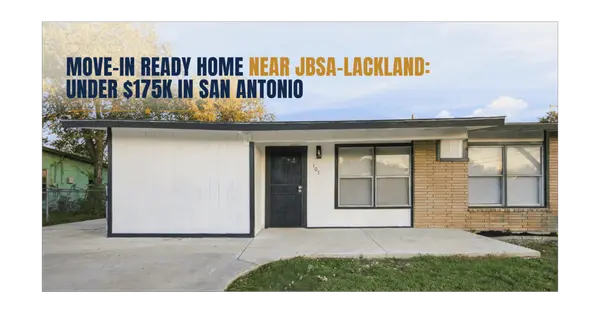
Price point can change the cash you bring to closing as much as the rate does. Comparing 103 Chadwick Dr in San Antonio, a three-bedroom, single-story home in Valley Hi listed at $172,000, against the roughly $299,000 August median shows how wide that range runs. It accepts VA financing, and its price and availability can change, so verify current details first.
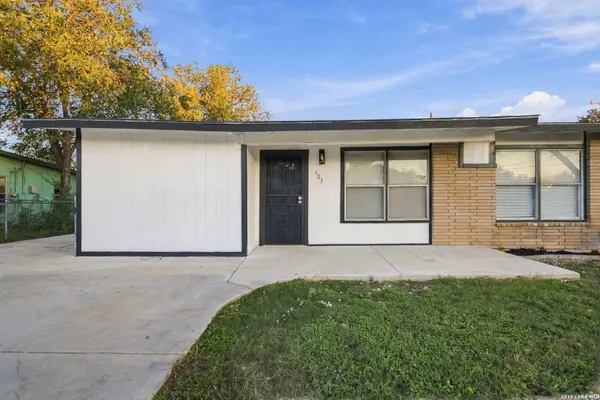
103 Chadwick Dr, San Antonio, TX. Photo: Sharp Realty Group.
VA Loan Assumption Costs and Closing Process in Texas
An assumption can cost less to close than a new loan, but the line items, forms, and deadlines are specific, and VA caps several of the fees. Here is how the main costs typically break down on a Texas assumption in 2026:
| Cost Item | How It Works | Typically Paid By |
|---|---|---|
| VA funding fee | 0.5% of the loan balance, collected at closing | Assumer, unless exempt |
| Processing fee | Capped at $300 by VA | Assumer |
| Locality variance | Up to $404 for Texas properties | Assumer |
| Credit report | Actual cost of the report | Assumer |
| Title and recording | Title work, recording fees, and related taxes | Negotiated in the contract |
| Equity gap | Sale price minus the assumed balance | Assumer, in cash or a second loan |
| Release and restoration | Cost of securing both approvals | Seller, under TREC No. 12-3 |
VA sets these caps through circulars and can change them, servicers may charge less than the maximum, and title and recording costs vary by county and company, so treat this table as a general guide and confirm figures with your servicer and title company.
Funding Fee and Exemptions
Unless the buyer qualifies for an exemption, VA charges a funding fee equal to 0.5% of the loan balance on an assumption. Under Circular 26-23-10, that fee is collected at closing and cannot be rolled into the loan, unlike the fee on a new VA purchase loan. For illustration only, a $265,500 balance would mean roughly $1,330 in cash.
Under the VA funding fee rules, the fee is waived for veterans paid VA compensation for a service-connected disability, surviving spouses who receive Dependency and Indemnity Compensation, and active-duty members who show proof of a Purple Heart by closing, among others. The assuming buyer's status is what counts, not the seller's. VA updates its fee tables, exemptions, and collection rules from time to time, so confirm the current rate with the servicer before closing.
Texas Contract Addenda
Texas sales use forms promulgated by TREC, and two matter most on an assumption. The Loan Assumption Addendum, TREC No. 41-3, sets the assumption terms, including limits on the assumption fee and other loan changes the buyer will accept, and spells out what happens when the noteholder does not consent. TREC No. 12-3 pairs with it to handle the seller's release and entitlement.
Much of the risk sits in the blanks on those forms. Application deadlines, whether closing waits for approvals, and fee limits are all negotiated, which is where an experienced agent and, when needed, a real estate attorney add value. TREC revises its forms over time, so work from the current version.
Approval and Closing Timeline
VA requires servicers with automatic authority to decide on an assumption within 45 calendar days of receiving a complete package. Servicers without that authority have 35 calendar days to send the package to VA, which aims to decide within 10 business days, and the assumption should close within 30 days of that approval. When a servicer denies an application, the buyer or the seller has 30 calendar days to appeal to VA. These deadlines come from VA's current circulars and can change if VA updates its guidance.
The key word is complete. The clock starts only when the servicer has everything it needs, so slow paperwork can stretch the timeline well past 45 days. For a seller with a report date, it helps to build extra time into the contract, line up the second-loan lender early, and keep a backup plan ready. VA stepped up enforcement against slow servicers through Circular 26-23-27, yet processing speed still varies, so plan around a realistic window rather than the fastest possible outcome.
Cost comparisons are easier to judge on a real address. Have a lender quote a new VA loan on 3113 Cameron Riv in Schertz, a five-bedroom home in Fairway Ridge that accepts VA financing, and you can set those closing costs beside any assumption you are weighing. Lender fees and listing details can change, so confirm both before you decide.
Moving Forward on a VA Loan Assumption With Confidence
The question you started with, whether an old low rate helps you sell or quietly costs you your next zero-down purchase, now comes down to a few decisions you can make ahead of time. As a seller, you know an assumption trades a wider buyer pool against the status of your entitlement, and that the release of liability and any restoration belong in the contract. As a buyer or investor, you know the rate is only part of the math, and that the equity gap, the second loan, and the servicer's timeline decide whether the deal works. When you work with a military relocation specialist, those pieces are planned around your report date from the first conversation.
You do not have to choose between protecting your benefit and selling on time. With the loan statement in hand, a lender's entitlement figure, and the right Texas addenda in the contract, a VA loan assumption becomes a tool you choose deliberately rather than a gamble you take because the market feels slow.
Ready to Talk Through Your VA Loan Assumption?
I am Anthony Sharp with Sharp Realty Group, a U.S. Air Force veteran who helps military sellers, buyers, and investors across San Antonio, Schertz, Cibolo, and the JBSA corridor decide whether an assumption fits their move. Bring your latest mortgage statement or the listing you have your eye on, and we can map out the numbers, the paperwork, and the timeline together.
Call or text: 210-997-0763
Schedule a time: book a consultation
Email: anthony@sharprealtygrouptx.com
Office: 213 Terramar, Cibolo, TX 78108
Frequently Asked Questions (FAQs)
Can a non-veteran assume a VA loan in San Antonio?
Yes. Civilians who pass the servicer's credit and income review under VA standards can assume a VA loan, just as veterans and service members can. The catch falls on the seller. A civilian cannot substitute entitlement, so the seller's VA entitlement stays tied to the loan until it is paid in full. Eligibility rules can change, so confirm the details with a VA-savvy lender.
Do I stay responsible for the mortgage after someone assumes my VA loan?
You stay responsible until you have a release of liability. An approved assumption transfers ownership along with liability, and the release is what ends your legal obligation on the debt. In Texas, TREC No. 12-3 lets you decide in the contract whether closing waits for that release. TREC can revise its forms, and VA can change its release procedures, so ask an attorney how the current rules apply to your sale.
How much does it cost to assume a VA loan in 2026?
Expect a VA funding fee equal to 0.5% of the balance, paid in cash at closing, unless the buyer is exempt. Servicers can also charge a processing fee capped at $300, plus a locality variance of up to $404 for Texas properties. The credit report, title, and recording costs come on top of that.
The biggest number is usually the equity gap between the price and the loan balance. Fees and caps can change, so confirm the figures with the servicer and your title company.
How long does a VA loan assumption take in Texas?
Servicers with automatic authority have 45 calendar days to decide once they receive a complete package, and the clock does not start until every document is in. Add time for any second loan, title work, and closing, and an assumption can need a longer contract period than a typical financed sale. Timelines vary by servicer, and VA can update its processing deadlines, so build in a cushion when a report date is involved.
Can I use a second loan to cover the equity gap on a VA assumption?
Generally, yes. VA allows a second loan on an assumption when it sits behind the VA loan, is documented in the file, gives the buyer no cash back, and has its payment counted in the buyer's debt review. Line up the second-loan lender before you make an offer. Lender requirements and VA guidance can change, so verify the structure early.
Is it worth advertising an assumable VA loan when selling near JBSA?
Often it is, especially when your rate sits well below current averages and inventory is high. A transferable rate can draw buyers who would otherwise struggle with today's payments. The trade-off is your entitlement when the buyer cannot substitute, so decide in advance whether you will require a veteran buyer.
Sharp Realty Group helps military sellers weigh that choice against their next purchase, but the final call depends on your goals, current market conditions, and your lender's entitlement figures, all of which can shift.
* * *
Disclaimer: This article is general information only and does not consider your individual financial, tax, or legal circumstances. VA program rules, funding fees, servicer practices, Texas contract forms, mortgage rates, and market data change and are provided as a general guide, not a guarantee. Nothing here guarantees financing, assumption approval, entitlement restoration, appreciation, or resale value. Before making a decision, speak with a qualified professional such as a REALTOR®, a licensed lender, or an attorney about your specific situation.
Categories
- All Blogs (273)
- BAH (3)
- For Home Buyers (191)
- For Home Sellers (91)
- For Investors (42)
- For Military Service Members (182)
- For Renters (9)
- JBSA (6)
- Local Events (12)
- Local Real Estate News (39)
- Market Updates (41)
- Military Relocation (41)
- Neighborhood Tours (58)
- PCS Move (108)
- Property Tours (6)
- VA Loans (14)
Recent Posts