

How to Price Your Home to Sell in San Antonio (2026)

A for sale sign in front of a suburban home. Photo: Pexels.
Your online estimate says one number, the house two streets over just listed for $20,000 more, and the appraisal from your last refinance says something else entirely. Every week you spend weighing those numbers is a week your home sits off the market, and the wrong first price can cost far more than the right one ever would. Knowing how to price your home to sell in San Antonio this year is the decision that shapes everything that follows.
I am Anthony Sharp, a U.S. Air Force veteran and REALTOR® with Sharp Realty Group in Cibolo, and I help sellers across San Antonio, Schertz, Cibolo, and the neighborhoods around Joint Base San Antonio (JBSA) set list prices they can defend. Before you settle on a number, it helps to see how your San Antonio home value compares with recent sales nearby, because the photos, the marketing, and the negotiation all work harder once that number is right.
The good part is that the right price is findable. It comes from recent sales, the homes competing with yours today, and an honest read of your own timeline, and getting it close on day one can set the tone for the whole sale.
Key Takeaways
- San Antonio homes averaged 82 days on the market and sold for close to 93% of their original list price in August 2026, so an inflated first number usually gives back more than it gains.
- Build your price from recent closed sales and today's competition, not from online estimates, your appraisal district value, or what you need to net.
- Match the strategy to your goal, whether that means pricing at market value, just under a search threshold, or pairing the price with a seller credit.
- Set review checkpoints before you list so any price change comes early and on your terms, especially on a military timeline.
What the 2026 San Antonio Market Means for Your List Price
Pricing starts with the market you are selling into, not the one your neighbors sold into a few years ago. The latest figures from the San Antonio Board of REALTORS® (SABOR) point to four conditions that shape a smart list price this fall:
Longer Listing Times
Across the SABOR multiple listing service (MLS) area, the average home spent 82 days on the market in August 2026, longer than a year earlier. A home priced above what buyers will pay tends to wait even longer, though timelines vary by neighborhood and price range.
Each extra month adds another round of mortgage, insurance, utility, and upkeep costs to your sale. Those carrying costs are easy to overlook, but they come out of your pocket all the same.
Deeper Inventory
SABOR measured inventory at just under six months of supply in August, which gives buyers plenty to choose from and more room to wait. Supply levels shift from month to month, so check SABOR's latest report before you list.
A buyer in your price range can tour five or six homes in a single weekend. Your house is always being judged against the listing down the street, and buyers notice quickly when one of them asks for more and offers less.
Wider List-to-Sale Gaps
In August, San Antonio homes sold for close to 93% of their original asking price on average, according to SABOR. That average blends homes priced right from the start with homes that cut their price, sometimes more than once.
On a $350,000 list price, a gap of that size works out to roughly $25,000. Some of that gap is normal negotiation, but listings that start too high and chase the market down can widen it.
Higher Mortgage Rates
Freddie Mac's weekly survey put the average 30-year fixed rate at 7.28% on October 1, 2026, compared with 7.03% a week earlier and 6.34% a year ago. At that rate, every $10,000 of price adds roughly $68 a month to a buyer's principal and interest payment, though the exact figure depends on each lender's terms.
Many buyers shop by monthly payment rather than sticker price, so a few thousand dollars of overpricing can push your home past their comfort zone. Rates move weekly and vary by lender and loan program, so check current figures with a licensed lender.
SABOR publishes new numbers each month, so treat everything in this section as a general guide to current conditions rather than a forecast.
How to Find Your Home's Market Value in San Antonio

An inspector works through a checklist on a clipboard. Photo: Pexels.
With the market in view, the focus shifts to your own home. Market value is what a ready, informed buyer will likely pay for it today, given everything else for sale, and finding it takes both data and judgment:
Pulling the Right Comparable Sales
The metro median says little about your house. SABOR's August median held just above $299,000 across its MLS area, unchanged from a year earlier, yet individual subdivisions in Schertz, Cibolo, or Converse can run well above or below that number.
The comparable sales, or comps, that matter usually closed within the last three to six months, sit in your subdivision or a close neighbor, and match your home in size, age, and layout. Texas does not require sale prices to be disclosed in public records, so the most reliable sold data typically lives in the MLS rather than on public websites, with access governed by each MLS's own rules. A comparative market analysis (CMA) built from that data usually weighs the factors below.
- Closed sales from the last three to six months, weighted toward the most recent
- Square footage, bedroom and bathroom count, and the number of living areas
- Year built and the age of the roof, air conditioning, and water heater
- Lot size, lot position, and what the backyard faces
- Updates such as flooring, counters, and remodeled bathrooms
- Homeowners association dues, tax rates, and school district boundaries
Every home and neighborhood is different, so treat this list as a general guide and expect your agent to explain each adjustment.
Adjusting for Condition and Features
Two homes with matching floor plans can sell thousands of dollars apart because one has a newer roof and fresh flooring and the other needs both. Buyers price in the repairs they can see, then add a cushion for the ones they worry about.
As someone who owns and self-manages rental homes, I run that same math from the investor side. Keep that in mind before you weigh selling a home as-is against fixing things first, because condition shows up in the price either way.
Reading Active and Pending Competition
Closed sales tell you where the market was. Active and pending listings tell you who you are up against now, and pending homes are especially useful because they found a buyer at their current price, even though the final number stays private until closing.
Active listings that have sat for 60 or 90 days can mark a price ceiling buyers have already passed on. Buyers who sort through the cheapest San Antonio listings still weigh what each dollar buys in condition, layout, and location, so a low price alone rarely wins them over.
Separating Market Value From Other Numbers
Three other numbers often get mistaken for a list price. An online estimate is an automated model working from limited data, and with sale prices kept private in Texas, it can swing widely. Each website uses its own method, so two sites may show noticeably different numbers for the same house.
Under the appraisal district valuation rules Texas uses for property taxes, your home's tax value is set as of January 1 with mass appraisal methods, so it can run ahead of or behind the market. I protest the values on my own properties most years, and the evidence in a protest rarely matches what a buyer weighs on a showing. Deadlines and procedures are set by each county appraisal district, so check with yours directly.
What you paid, what you owe, and what you hope to net matter for your planning. Buyers never see those numbers, and they will not pay more because of them.
Choosing a Pricing Strategy for Your San Antonio Home
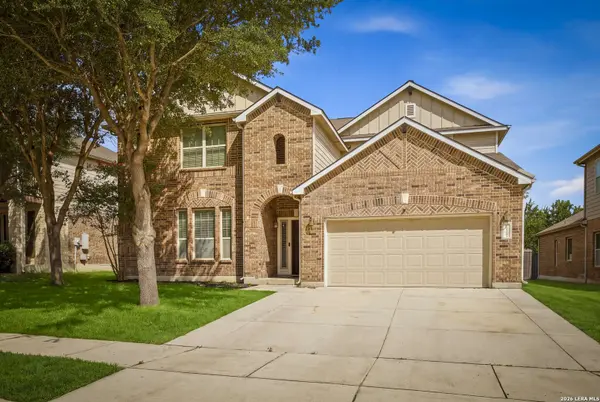
3113 Cameron Riv, Schertz, TX. Photo: Sharp Realty Group.
Once you know the range, the next decision is where inside it to land. Each approach fits a different goal, and the right one depends on your timeline, your competition, and how much negotiating room you can afford:
Pricing at Market Value
Listing at the number the comparable sales support fits most sellers. A new listing usually draws its most attention in its first couple of weeks, and a fair price makes the most of that window.
It also gives the buyer's appraisal the cleanest path, although appraisal standards depend on the lender and loan program. In a market where buyers can afford to wait, a home that looks fairly priced on day one usually avoids the slow slide of repeated price cuts.
Pricing Just Under a Search Threshold
Many buyers search in set price bands, such as up to $350,000 or up to $400,000, though filter options vary by home search site. A home listed at $405,000 drops out of every search capped at $400,000, while a list price of $399,900 keeps it in front of those buyers.
Pricing just under a common threshold can widen your audience without giving up much, especially when your value already sits near that line. SABOR reported that close to 67% of August sales fell between $200,000 and roughly $500,000, so those bands are crowded and every search filter counts.
Pricing Above the Comparable Sales
Some homes earn a premium. A rare lot, a recent major remodel, or a floor plan that is hard to find nearby can justify a price above the comps, as long as buyers can see the reason in the listing and in person.
The risk is the appraisal. Whether the buyer uses a conventional loan or one backed by the U.S. Department of Veterans Affairs (VA) or the Federal Housing Administration (FHA), the lender generally bases the loan on the lower of the contract price or the appraised value. Any gap usually closes through a price change or extra cash from the buyer, and appraisal rules vary by loan program, so the buyer's lender has the final word.
Pricing With a Seller Credit
Sometimes the stronger move is to hold the price and offer a credit toward the buyer's closing costs or a rate buydown. With rates above 7%, a credit that lowers a buyer's payment can matter more to them than a price cut of the same size.
Loan programs limit how much a seller can contribute. VA rules, for example, generally cap seller concessions at 4% of the home's reasonable value set by the VA appraisal, with standard closing costs counted separately. Individual lenders and program updates can shift those limits, so confirm how a credit fits the buyer's loan before you agree to terms.
I used the neighborhood record to price one Fairway Ridge listing this year. Buyers who tour 3113 Cameron Riv in Schertz find the largest home in the subdivision, with 3,526 square feet and five bedrooms, listed at $429,900. That price sits below both five-bedroom sales in the neighborhood over the last 12 months, so the size does the selling. Listing prices and details can change, so check the listing page for current information.
Pricing Mistakes That Cost San Antonio Sellers Time and Money
Even with good data in hand, a list price can drift high. Overpricing usually isn't greed but a reasonable instinct applied at the wrong moment, and a few patterns tend to show up when a listing stalls:
An Emotional Anchor Price
Sellers tend to anchor on a number that felt real at some point, such as the peak a few years ago, a neighbor's asking price, or the total spent on upgrades. A neighbor's list price is only a hope until it closes, and upgrade receipts rarely transfer dollar for dollar.
Buyers pay for what the market values today. A kitchen you loved remodeling may add appeal, but the comps decide how much of that appeal turns into price.
A Built-In Negotiating Cushion
Listing 5% high to leave room for negotiation sounds sensible, yet it often backfires with close to six months of supply on the market. Buyers and their agents who see a price as too high often skip the showing rather than make a low offer, so the cushion never gets used.
The listing collects days on market instead, and most home search sites display that count, each according to its own policies. The cushion meant to protect your price can end up working against it.
An Inflated Agent Valuation
Interviewing several agents is smart. Choosing the one with the highest number is not, because a price suggested to win a listing still has to win over buyers and an appraiser.
When KSAT News covered San Antonio's cooling market in December 2025, strategic pricing was the point I emphasized, and it still holds. Before you sign a listing agreement, a few questions can separate a real price from a sales pitch.
- Which closed sales support this price, and why did you choose them?
- How does my home compare with the active and pending listings today?
- Which price band will most buyers use to find this home?
- When will we review showing activity and buyer feedback?
- What would lead you to recommend a price change, and by how much?
A Delayed First Price Change
Waiting two or three months to adjust usually means the listing has gone stale. Buyers who saw it on day one have moved on, and new buyers wonder why it has not sold.
One family came to me after their home had sat for four months with no real interest. Once we changed how the home was positioned and presented, they had an offer within the first week. Every home and market differs, but the cost of waiting rarely shows up until it is already paid.
Adjusting Your Price After Your San Antonio Home Hits the Market

672 Planters Pass, Schertz, TX. Photo: Sharp Realty Group.
No price is final until the market responds, and it usually responds within the first two to three weeks. Its signals tend to follow a few familiar patterns:
| Market Signal | What It Often Means | Common Response |
|---|---|---|
| Steady showings and offers in the first two weeks | Price sits at or near market value | Weigh terms as closely as price |
| Steady showings with no offers | Price is close, but value falls short somewhere | Study feedback on condition and value |
| Strong online views with few showings | Buyers see the listing and pass at this price | Consider a price change or credit |
| Weak online views and few showings | Price or presentation misses the search | Recheck price band, photos, and description |
| Offers well below list price | Buyers see a gap between price and condition | Compare offers with the latest comps |
These patterns are a general guide, and every listing deserves its own read of the data before you change anything.
Setting Review Checkpoints
The calmest price conversations happen before the sign goes up. It helps to agree on review dates, such as two and four weeks after launch, and on what showing activity and feedback would prompt a change. The right timing can differ with your market and the terms of your listing agreement.
A single, meaningful adjustment often works better than a series of small cuts. Small reductions can signal that a seller is still chasing the market, while one clear move resets the listing for buyers who passed on it the first time.
Choosing Between a Price Cut and a Credit
A price cut changes how buyers find your home. It can move the listing into a new search band, and many home search apps alert buyers with saved searches when a price drops, depending on each app's notification settings.
A credit fits a home that already reaches the right buyers but feels a little expensive once financing enters the picture, as long as it works within the buyer's loan rules.
Timing a Change Around Military Orders
Sellers leaving on permanent change of station (PCS) orders have less room to wait out a slow start. It helps to work backward from the report date to set the listing date, the review checkpoints, and the latest date you would accept a price change. Orders and report dates can shift, so build in some room.
Pricing at market value from day one usually protects a military timeline better than starting high and adjusting later from another duty station. Remote signing and power of attorney can keep a sale moving after you report, though requirements vary by title company and lender.
A seller credit can do work that a price cut cannot. A buyer who writes an acceptable offer on 672 Planters Pass in Schertz, a four-bedroom Kramer Farm home off Schertz Parkway listed at $375,000, gets an $8,000 seller credit to put toward closing costs or a rate buydown within their lender's rules. Like the Fairway Ridge home, it accepts VA financing. Credit terms and listing details can change, so confirm the current offer on the listing page.
Pricing Your San Antonio Home With Confidence
The number that kept you up at night does not have to stay a guess. Built from the homes buyers are choosing between right now, with checkpoints agreed on before the first showing, your price becomes a plan you understand rather than a bet you hope pays off.
Military orders put a deadline on every pricing decision, and working with a military relocation specialist lets you line up the price, the listing date, and the report date so they work together.
You do not need the highest number on day one. You need the right one, set early and backed by evidence, so buyers see your home for the value it offers and your next move stays on schedule.
Ready to Price Your San Antonio Home?
I am Anthony Sharp with Sharp Realty Group, a U.S. Air Force veteran who helps sellers and military families across San Antonio, Schertz, Cibolo, and the JBSA corridor set list prices backed by local data. For a walk-through of your home and a pricing analysis built from your neighborhood's recent sales, let's talk.
Call or text: 210-997-0763
Schedule a time: book a consultation
Email: anthony@sharprealtygrouptx.com
Office: 213 Terramar, Cibolo, TX 78108
Frequently Asked Questions (FAQs)
How do I figure out what price to list my house for in San Antonio?
Start with a CMA built from closed sales in your neighborhood over the last few months, then adjust for condition, updates, and lot. Check that range against the homes competing with yours today.
Because Texas does not require sale prices to appear in public records, a local REALTOR® with MLS access can usually see sold data that public websites miss, subject to the MLS's data rules.
Is it better to overprice or underprice a house?
Usually neither. Overpricing tends to lengthen time on market, and SABOR's August 2026 data showed homes selling for close to 93% of their original list price on average, a figure that changes with each monthly report.
Pricing well below market can draw multiple offers in some segments, but it carries more risk when inventory is high. Pricing near market value is the safer default for most sellers.
How long should I wait before reducing my home's price?
Many sellers review price after two to three weeks of showings and feedback. Steady online views with few showings, or showings with no offers, often point to price.
Agree on checkpoints with your agent before you list, so the decision comes from data rather than pressure. The right timing depends on your market and price range.
Is my appraisal district value the same as my home's market value?
Not necessarily. Texas appraisal districts set market value as of January 1 for tax purposes using mass appraisal methods, and that figure can run above or below what a buyer pays today.
For tax questions, check with your county appraisal district or a tax professional.
Should I offer a seller credit instead of lowering my price?
It depends on your buyers. A credit toward closing costs or a rate buydown can lower a buyer's monthly payment, which matters with rates above 7%. A price cut can move your home into a new search band and alert buyers with saved searches.
Loan programs cap seller contributions, so confirm the limits with the buyer's lender before you agree to terms.
How should I price my home when I am PCSing out of JBSA?
Work backward from your report date to set the listing date and review checkpoints, and lean toward market value from day one, since adjusting later from another duty station is harder.
I help military sellers plan around their orders and coordinate remote closing steps after they report to their next station. Those options depend on each title company's and lender's requirements.
* * *
Disclaimer: This article is general information only and does not consider your individual financial, tax, or legal circumstances. Market data, mortgage rates, loan program terms, and appraisal practices change and are provided as a general guide, not a guarantee. Nothing here guarantees a sale price, financing, approval, appreciation, or resale value. Before making a decision, speak with a qualified professional such as a REALTOR®, a licensed lender, a tax professional, or an attorney about your specific situation.
Categories
- All Blogs (268)
- BAH (3)
- For Home Buyers (186)
- For Home Sellers (90)
- For Investors (41)
- For Military Service Members (180)
- For Renters (9)
- JBSA (6)
- Local Events (12)
- Local Real Estate News (39)
- Market Updates (41)
- Military Relocation (40)
- Neighborhood Tours (57)
- PCS Move (106)
- Property Tours (5)
- VA Loans (13)
Recent Posts