
Sell As-Is or Make Repairs First in San Antonio in 2026?
Sell As-Is or Make Repairs First in San Antonio in 2026?

A for sale sign stands in the front yard of a suburban home. Photo: Pexels.
Your orders just landed, a roofer quoted a number that made you set the phone down, and the house you have loved for years suddenly looks like a list of projects. Now you are trying to decide whether to sell as-is or make repairs first on your San Antonio home, and every week you spend deciding is a week off the calendar. Sellers across the metro ask me some version of that question often, and the right answer is rarely all one or the other.
I am Anthony Sharp, a U.S. Air Force veteran and REALTOR® with Sharp Realty Group in Cibolo, and I help sellers across San Antonio, Schertz, Cibolo, and the neighborhoods around Joint Base San Antonio (JBSA) get their homes sold. Before you pick up a paintbrush or sign a contractor's estimate, it helps to know what buyers now expect from a move-in-ready home, because that is the standard your house will be measured against.
Selling as-is can save you money up front and spare you from managing contractors on a deadline. Making repairs first can widen your buyer pool, protect your price, and keep a deal from unraveling after inspection. The tradeoff comes down to your timeline, your budget, and what buyers in your price range expect to walk into, and a finished home down the street is often the clearest way to see it.
Key Takeaways
- A Texas as-is sale still requires a seller's disclosure, and buyers can inspect, renegotiate, or walk away during the option period.
- With San Antonio homes averaging about 82 days on the market in August 2026, condition carries more weight because buyers have choices.
- Fix safety, system, and lender-flagged items first, and skip large remodels that may not return their full cost.
- Price the home both ways with contractor bids in hand, and consider a credit when time is tight.
What Selling As-Is Means in a Texas Home Sale

A home inspector reviews a checklist on a clipboard. Photo: Pexels.
Many sellers hear the term as-is and picture handing over the keys with no questions asked. Texas law and the standard state contract see it differently, and knowing how protects you from surprises after you accept an offer:
The Seller's Disclosure Obligation
Section 5.008 of the Texas Property Code requires most sellers of a previously occupied single-family home to give the buyer a written notice of the property's condition, and listing a home as-is does not remove that duty. Before you list, you fill out the Texas Real Estate Commission (TREC) Seller's Disclosure Notice based on what you know about the home, using the version that took effect May 28, 2026. A past roof leak, a prior foundation repair, or a flood event goes on the form whether you fix the issue or not.
Many buyers read the disclosure line by line before they write an offer. A complete, honest form builds trust. A vague one can invite a lower offer or a tougher inspection negotiation, because the buyer starts wondering what else went unsaid.
The Buyer's Inspection Rights
Under the TREC One to Four Family Residential Contract (Resale), a buyer who agrees to accept the property as-is still keeps the right to inspect it, ask for repairs after the inspection, and back out during the option period. The option period is a set number of days the buyer pays for, and it is usually when a licensed inspector comes out.
An as-is label does not end the conversation about condition. It moves that conversation to the inspection report, where the buyer holds the leverage and the clock is short.
The Lender's Repair Requirements
The buyer's loan adds another layer. Appraisals for U.S. Department of Veterans Affairs (VA) and Federal Housing Administration (FHA) loans check the home against minimum property requirements for safety and livability, and flagged items typically have to be fixed before closing. That matters around JBSA, where VA financing is common. A roof with active leaks, exposed wiring, or a water heater without proper safety features can stall a VA purchase even when the buyer loves the house.
Under the standard contract, neither side has to cover lender-required repairs without agreeing to, and the buyer can walk away when those repairs top 5% of the sales price. A home with serious deferred maintenance can quietly narrow your buyer pool to cash and conventional offers. Program rules change, so confirm current requirements with the buyer's lender early in the process.
How the 2026 San Antonio Market Shapes Your As-Is Decision
During the tight-inventory years, even homes in rough shape could draw multiple offers. The 2026 market gives buyers far more room to compare, and four conditions explain why the state of your home carries more weight this year:
Listing Times
The San Antonio Board of REALTORS® (SABOR) reported that homes averaged around 82 days on the market in August 2026, longer than a year earlier. A home that needs work tends to sit at the back of that line, and for a seller on permanent change of station (PCS) orders, those extra weeks can mean paying for housing in two places at once.
Inventory Levels
SABOR also put inventory at close to six months of supply in August, and the median price held just over $299,000, flat from a year earlier. Sales rose about 4% over August 2025, so buyers are still out there, just choosier. A buyer can walk past a house with a tired roof and tour three others the same afternoon.
Mortgage Rates
Freddie Mac reported that the 30-year fixed mortgage rate averaged 7.03% as of September 24, 2026, up from 6.95% the week before. At that level, many buyers may be stretching to cover the payment and closing costs, with little cash left over for a new air conditioner the month they move in.
Buyers in that position often lean toward a home they can live in without a project, or they ask the seller to account for repairs through the price. Rates change weekly, so treat these figures as a snapshot and check current numbers with a licensed lender.
Builder Incentives
New-construction communities are still selling across the metro, including along the northeast corridor in Schertz and Cibolo, and builders have been using rate buydowns and closing-cost help to move homes. A resale listing with open repair items competes against brand-new houses with warranties, so it needs a clear edge on price, location, lot size, or condition. A well-kept resale home can win that comparison, but a home with obvious deferred maintenance often has to win it on price alone.
When Selling a San Antonio Home As-Is Makes Sense
An as-is sale is not a shortcut or a failure. For some sellers it is the most practical path, and these are the situations where I see it fit well:
A Tight PCS Timeline
Military sellers often receive orders with a report date that leaves little room for a roof replacement or a foundation job, and managing contractors from another state is hard on any family. I served in the Air Force, and I know how quickly a PCS move eats the calendar between the orders, the movers, and the house-hunting trip at the next station. Pricing the home to reflect its condition and marketing it early can make more sense than racing a repair schedule that might not finish before the moving truck arrives.
A Costly Major Repair
Some fixes cost more than a seller can front before closing. A foundation repair, a full roof replacement, or a major plumbing job can take cash that not every seller has on hand or wants to borrow. In that situation, I help sellers disclose the issue clearly and price the home so the buyer can see the math. Buyers are usually more comfortable taking on a known repair with a real number attached than an open question.
A Worn Rental Property
As someone who self-manages a portfolio of rental homes, I know the investor side of this decision well. A house that has been through several tenant turnovers may need carpet, paint, fixtures, and system work all at once, and an investor who plans to renovate anyway may prefer to buy it as it sits and handle the work on their own schedule.
That buyer usually expects a discount for taking on the project. The question is whether your repair cost would be smaller than the discount you would give up. Across all three situations, a few signs point toward an as-is sale:
- Your report date or move deadline leaves no time for major work.
- The needed repairs cost more than you can comfortably front.
- Your most likely buyer is an investor who plans to renovate.
- Your job or orders would have you managing contractors from out of state.
- Your home sits vacant while carrying costs add up each month.
Which Repairs Pay Off Before You List in San Antonio

A fresh coat of paint goes on an interior wall with a roller. Photo: Pexels.
Selling with repairs first does not mean remodeling. It means fixing what buyers, inspectors, and appraisers will flag, and leaving matters of personal taste to the next owner. This is how I help sellers sort a pre-listing to-do list:
System and Safety Repairs
Heating, ventilation, and air conditioning (HVAC), the water heater, the roof, and the electrical panel sit near the top of most buyers' worry lists in a South Texas summer, and they get close attention during any inspection. Much of that work may need a city permit, so ask any contractor you hire to pull one and keep the paperwork once the job passes inspection.
Buyers notice when the big systems are already handled. A buyer who tours a five-bedroom Fairway Ridge home in Schertz with a brand-new HVAC system can cross one major question off the list before an inspection is even scheduled.
Red-Flag Inspection Items
Some issues can sink a deal even when a buyer loves the house. Foundation movement, active roof leaks, signs of wood-destroying insects, and plumbing leaks often lead to the toughest renegotiations. A pre-listing inspection can cost less than losing a contract, and it shows you these problems on your own schedule instead of during the buyer's option period.
Low-Cost Cosmetic Updates
Fresh neutral paint, new carpet in worn rooms, updated light fixtures, and a trimmed yard usually cost far less than system work and change how a home photographs and shows. Paired with the prep work before listing that costs little beyond your time, such as decluttering and deep cleaning, these small updates can close much of the gap between your house and the finished homes competing for the same buyers.
Projects that may cost more than they return right before a sale include:
- A full kitchen remodel with new cabinets and layout changes
- Luxury finishes chosen to your taste rather than the market's
- A new in-ground pool or large outdoor structure
- Room additions or major floor plan changes
- High-end landscaping beyond basic curb appeal
- Replacement of systems that still work and pass inspection
Every home and price point is different, so treat this list as a general guide and run the numbers on your own house before you commit to a project.
Repair and Permit Records
Receipts, permits, service records, and any warranties that transfer to a new owner all belong in a folder you can hand to buyers. Serving on the Cibolo Planning and Zoning Commission has shown me how much a clean permit record matters when questions come up about work done on a property. That paperwork also makes your disclosure easier to complete accurately, and it turns a repair you made into proof a buyer can rely on.
Running the Numbers on As-Is vs. Move-In-Ready Homes
The decision gets clearer once you put both paths on paper. This comparison shows how the two approaches tend to play out for a typical San Antonio seller:
| Factor | Selling As-Is | Making Repairs First |
|---|---|---|
| Upfront cost | Little to none before listing | Repair and prep costs paid before listing |
| Time to list | Can list right away | Adds days to weeks for bids, permits, and work |
| Buyer pool | Narrower when repairs affect financing | Wider across VA, FHA, and conventional loans |
| Pricing | Below finished comparable homes | Closer to finished comparable homes |
| Inspection risk | Higher chance of renegotiation | Fewer surprises for the buyer |
| Seller effort | Less work before the sale | More coordination before listing |
Pricing the Home Both Ways
I ask sellers to look at two prices, one for the home as it sits and one after the repairs we are discussing. The gap between those numbers, minus the cost of the work and the time it takes, tells you whether the project pays. Comparable sales do most of the talking here, and finished homes set the upper end of the range.
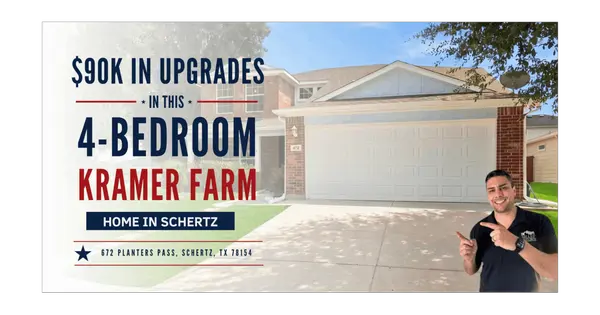
When buyers shopping Kramer Farm can tour a finished home like 672 Planters Pass, a similar floor plan with open repair items will likely need to price below it. That home's foundation was repaired in 2025 with a transferable lifetime warranty, the roof was replaced in 2022, and every bathroom was remodeled this year.
Getting Contractor Bids Early
Written bids from licensed contractors turn a vague worry into a line item. I encourage sellers to get two or three bids on any major item before listing, because a real number helps in either direction. The repair may turn out smaller than you feared and worth doing, or the bid becomes the number you hand the buyer instead of leaving them to guess.
Weighing Your Carrying Costs
Each month you own the house, you keep paying the mortgage, property taxes, insurance, utilities, and any homeowners association dues, and a repair project that takes three weeks adds three weeks of those costs before you can list. The San Antonio area spans Bexar, Comal, Guadalupe, and other counties, so your tax bill depends on where your home sits, and your county appraisal district is the place to check it. Add those carrying costs to the repair estimate before you compare the two prices.
Offering a Credit Instead of Repairs
Sometimes the cleanest path is a compromise. A price adjustment or a seller credit at closing lets the buyer handle the repair after they own the home, and it spares you from scheduling contractors around a moving truck. Some loan programs limit how a credit can be used, so a price reduction may work better in certain deals. Confirm the specifics with the buyer's lender and your agent before you agree to terms.
Selling Your San Antonio Home With Confidence, As-Is or Repaired
That roofer's quote does not have to decide your sale for you. Once a repair becomes a number to weigh instead of a threat to the deal, the choice turns into a comparison you control, whether you fix it, credit it, or price around it. For many homes, the right answer sits somewhere in the middle, with the safety items handled and the finishes left to the next owner.
When you map out a PCS sale with a military relocation specialist, the first question is usually what can finish before your report date, and that answer often settles the as-is question on its own.
You do not have to choose between a rushed repair job and a discounted sale. With clear bids, an honest disclosure, and a price that reflects what buyers are comparing you against, you can put your home on the market knowing exactly where you stand and turn your attention to what comes next.
Ready to Weigh Your San Antonio Selling Options?
I am Anthony Sharp with Sharp Realty Group, a U.S. Air Force veteran who helps sellers and military families across San Antonio, Schertz, Cibolo, and the JBSA corridor decide what to fix, what to disclose, and how to price. For a walk-through of your home and an honest read on which repairs are worth making before you list, let's talk.
Call or text: 210-997-0763
Schedule a time: book a consultation
Email: anthony@sharprealtygrouptx.com
Office: 213 Terramar, Cibolo, TX 78108
Frequently Asked Questions (FAQs)
Can I sell my house as-is in Texas?
Yes. Texas allows as-is sales, and the standard TREC contract includes an option for the buyer to accept the property in its present condition. In most sales, you still need to provide a seller's disclosure of known conditions, and the buyer can still inspect and negotiate during the option period.
For legal questions about your specific sale, talk with a real estate attorney.
Do I have to disclose problems when I sell as-is?
In most home sales, yes. Section 5.008 of the Texas Property Code requires sellers of most previously occupied single-family homes to disclose known conditions in a written notice, and an as-is sale does not change that. Disclosing clearly usually protects you better than leaving a buyer to find the issue during inspection.
What repairs should I make before selling my house in San Antonio?
Start with safety and system items such as HVAC, the water heater, roof leaks, and electrical hazards, since those are what inspectors and VA appraisers are most likely to flag. Fresh paint, worn carpet, and basic curb appeal usually come next because they cost less and change how the home shows.
Large remodels right before a sale may not return their full cost, so price out any big project before you start.
How much less do as-is homes sell for?
There is no fixed discount. Buyers often subtract the cost of the repairs they see plus a cushion for the hassle and risk, so the gap depends on the home's condition and the competing listings. Written contractor bids help keep that cushion from growing, because buyers negotiate against a real number instead of a guess.
Can a VA buyer purchase a home being sold as-is?
Often, yes, but the home still has to meet VA minimum property requirements at appraisal. Items the appraiser flags, such as a leaking roof or a safety hazard, generally must be repaired before closing, and who pays for them is up for negotiation. Talk with the buyer's lender early to understand what the appraisal may require.
Should I sell as-is when I am PCSing out of JBSA?
It depends on your timeline and the repairs involved. When the report date leaves no room for major work, pricing the home to reflect its condition can be the more practical path. When the fixes are small, handling them before listing may widen your buyer pool.
I help military sellers compare both options against their orders, and the sale can keep moving after you report to your next station.
* * *
Disclaimer: This article is general information only and does not consider your individual financial, tax, or legal circumstances. Market data, mortgage rates, repair costs, permit rules, and loan program terms change and are provided as a general guide, not a guarantee. Nothing here guarantees a sale price, financing, approval, appreciation, or resale value. Before making a decision, speak with a qualified professional such as a REALTOR®, a licensed lender, a licensed inspector, or an attorney about your specific situation.
Categories
- All Blogs (261)
- BAH (3)
- For Home Buyers (180)
- For Home Sellers (88)
- For Investors (41)
- For Military Service Members (173)
- For Renters (9)
- JBSA (6)
- Local Events (12)
- Local Real Estate News (38)
- Market Updates (41)
- Military Relocation (40)
- Neighborhood Tours (57)
- PCS Move (104)
- Property Tours (5)
- VA Loans (10)
Recent Posts