
What Makes a Home Move-In Ready? A 2026 Guide
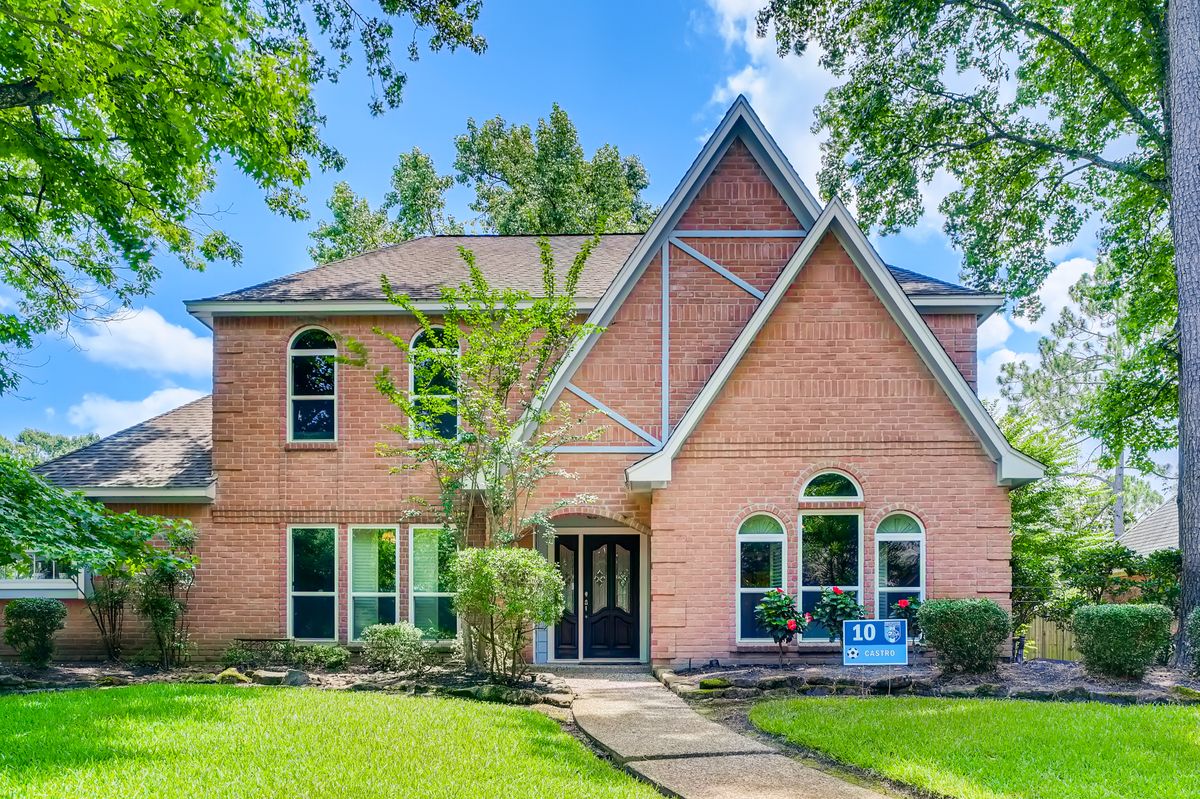
A two-story brick home with a real estate sign out front. Photo: Pexels.
The listing says move-in ready, the photos show fresh paint and new carpet, and you plan a trip around touring it. Then the inspection comes back with an air conditioner in its late teens, a roof near the end of its life, and a foundation note that sends you to an engineer. Knowing what makes a home move-in ready before you fall for the photos protects your budget, your timeline, and your first summer in the house.
I am Anthony Sharp, a U.S. Air Force veteran and REALTOR® with Sharp Realty Group here in Cibolo, and I tour homes across the northeast San Antonio corridor every week. The phrase "move-in ready" shows up on listing after listing, and it rarely means the same thing twice.
Most of the difference comes down to proof, because a fresh coat of paint and a documented roof replacement can look identical in photos. Before you take a listing's word on a home's update history, it helps to know what real documentation looks like.
My standard is stricter than the listing language, and it holds whether you are relocating to Joint Base San Antonio (JBSA) on a permanent change of station (PCS) timeline, moving up locally, preparing to sell, or adding a rental.
Key Takeaways
- Move-in ready is a marketing phrase, not a legal standard in Texas, so judge a home by working systems, safety, and documentation.
- The roof, heating and cooling, foundation, plumbing, and electrical systems decide move-in condition far more than paint or flooring.
- For VA buyers on a PCS timeline, a home that already meets VA property standards protects both the appraisal and the closing date.
- Sellers and investors who fix system issues first and keep the receipts give buyers and tenants a reason to pay for condition.
What Move-In Ready Means in 2026
Before you compare listings, it helps to know which version of move-in ready you are hearing:
The Marketing Definition
On a listing, move-in ready is a description rather than a standard. No Texas rule sets a checklist a home must pass before a seller or agent can use the phrase, so it may cover anything from a full systems overhaul to new carpet and a deep clean.
I read it the same way I read "updated" or "well maintained" in a listing, as a prompt to ask what was done, when, and by whom.
The Functional Definition
The definition I hold homes to is simpler. A move-in ready home is one you can close on, unload the truck, and live in for the first year with nothing beyond routine upkeep.
That means the major systems work and have reasonable life left, nothing presents a safety hazard, the kitchen and bathrooms are usable, and the home is clean enough to live in on day one. Paint colors and cabinet styles are preferences. A failing water heater is not.
The Lender's Definition
For buyers using a U.S. Department of Veterans Affairs (VA) loan, the appraisal adds a formal layer. The VA Minimum Property Requirements (MPRs) exist to confirm that a home is safe, structurally sound, and sanitary, and the appraiser reviews items like the roof, heating, and access to the property before the loan can close.
A home that passes those checks is not automatically move-in ready in the functional sense. A home that fails them usually is not either, and any required repairs have to be completed and reinspected before you close.
The Systems Behind a Move-In Ready Home

An inspector works through a home inspection checklist. Photo: Pexels.
Buyers walk a home looking at finishes, but most of the money sits behind the walls and over your head. These are the systems I look at first on every tour:
Roof and Attic
A composition shingle roof in South Texas takes a beating from sun, hail, and summer storms, and its age matters more than how it looks from the curb. Ask for the installation year and any insurance claims, then have your inspector check the attic for water staining, daylight at the decking, and insulation depth.
Air Conditioner and Ductwork
In a Texas summer, the air conditioner is the system you notice first when it quits. I ask for the age of the outdoor condenser and the indoor unit, the service history, and whether the two were replaced together. Ductwork in a hot attic deserves a look too, since crushed or disconnected ducts can leave even a new system struggling to cool the far rooms.
A heating, ventilation, and air conditioning (HVAC) system in its teens is not a deal breaker, but it belongs in your budget. A recent full replacement is one of the clearest signs a seller invested in the home and not just the photos.
Foundation and Drainage
Foundation repairs are worth understanding before closing, and the early signs are easy to miss on a tour. Sticking doors, stair-step cracks in brick, and gaps at window frames are worth a closer look, and a structural engineer can tell you whether you are seeing normal settling or active movement.
Grading and gutters that carry water away from the slab matter as much as the slab itself. A documented repair backed by a transferable warranty often puts a buyer in a stronger position than a foundation nobody has evaluated.
Plumbing and Water Heater
Check the manufacture date on the water heater label, look under every sink for staining or soft cabinet floors, and run the showers long enough to judge pressure and hot water recovery. Slow drains at more than one fixture can point to a line issue that a camera inspection may reveal.
On older homes, some buyers also add a sewer scope, since a problem under the slab can cost far more than anything visible in the kitchen.
Electrical Panel and Wiring
Texas Real Estate Commission (TREC) inspection standards require inspectors to report certain conditions as deficient even when they met code at the time the home was built, including missing or malfunctioning ground-fault and arc-fault protection. That is why a well-kept home built a decade ago can still show several deficient items on its report.
A deficient item does not obligate anyone to make a repair, but it tells you where to focus. Smoke alarms, the electrical panel, and any exposed wiring in the garage or attic are the items I want answered before closing.
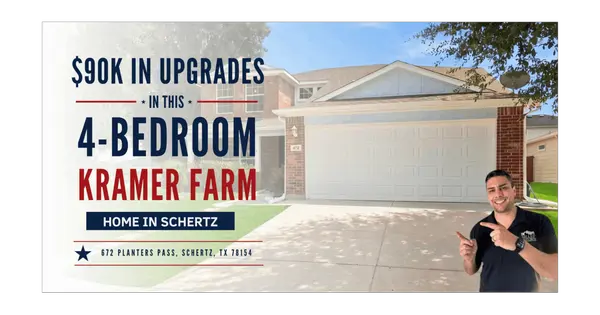
All of these systems are easier to picture in a real house. I am currently listing a four-bedroom Kramer Farm home in Schertz, where the original owners replaced the roof in 2022, repaired the foundation under a transferable lifetime warranty, and rebuilt all three bathrooms in 2026.
The primary suite sits on the main floor, and the home is off Schertz Parkway, a few minutes from Randolph Air Force Base (AFB). I am glad to walk you through the records behind each update on a private tour.
Cosmetic Updates Versus Move-In Ready Condition
Fresh paint, new carpet, and staged furniture photograph beautifully, and none of them tell you how old the roof is. Separating the finish work from the condition underneath takes a few deliberate steps:
Spotting the Surface-Level Refresh
A quick refresh before listing is normal and often smart. The concern is when cosmetic work covers something a buyer should see. These are the patterns that make me slow down on a tour:
- New paint on one section of a ceiling or wall, which can hide an old water stain.
- Fresh flooring paired with an original water heater and HVAC system.
- Caulk or patching along brick cracks and around window frames.
- Air fresheners strong enough to mask odors in closets or the garage.
- New faucets on old plumbing, with staining still visible under the sinks.
- A listing that describes updates without dates, receipts, or contractor names.
None of these signs proves a problem on its own. Each one is a reason to ask a better question and lean on your inspector.
Reading the Seller's Disclosure Notice
Most Texas sellers of a previously occupied single-family home must give buyers a written disclosure under Section 5.008 of the Texas Property Code. Before you read one next to the listing, it helps to know what the TREC Seller's Disclosure Notice covers, since many listings use a longer Texas REALTORS® version with added questions.
Once you have it in hand, roof age, prior foundation repair, past water penetration, and any flooding history should line up with what the listing claims and what the inspector finds. When the disclosure marks a system as unknown and the listing calls it new, that gap deserves an answer before your option period ends.
Checking the Receipts, Permits, and Dates
The strongest move-in ready claims come with paper. Receipts show who did the work and when, warranties show what transfers to you, and permit records show whether the city reviewed larger jobs such as additions, electrical work, or mechanical replacements.
Most cities keep permit records you can request, and in Schertz, for example, they are available through the city's online development portal. Your agent can help you pull them. Work done without a permit is not always a problem, but it is always something I want disclosed and understood before a client commits.
Two houses of the same age on the same street can sit at opposite ends of the condition scale, and the paperwork usually shows which is which.
Why Move-In Ready Matters for JBSA and PCS Buyers

A two-story brick home with a manicured front lawn. Photo: Pexels.
Military buyers feel the gap between a listing label and real condition quickly, because the calendar leaves little room for surprises. A home that is ready on day one protects a PCS move in a few specific ways:
The Report Date
Many families arriving on orders get one house-hunting trip and a report date that does not move. A home that needs a new air conditioner or a roof repair before you can live in it can mean temporary lodging, a storage bill, or a second trip.
The upside is that buyers have room to be selective right now. The San Antonio Board of REALTORS® (SABOR) reported homes averaging about 82 days on the market in August 2026, with just under six months of inventory. That much choice makes it easier to hold out for a home that fits your timeline instead of settling for one that needs work.
The VA Appraisal
A VA appraiser who flags a roof, safety, or water issue can pause your file until the repair is made and reinspected. That delay can push a closing past a report date or a lease end.
Homes already in solid shape tend to move through the VA appraisal with fewer conditions, which is why I point VA buyers toward condition before cosmetics. VA purchases typically close within 30 to 45 days of a signed contract, though timelines vary by lender and appraiser workload, so confirm yours with a licensed VA lender.
The Floor Plan
Move-in ready also means the layout works for your household without a remodel. A main-level bedroom with a full bath can serve as a guest suite, a home office, or a bedroom away from the stairs, and an upstairs game room gives you a second living area without moving a wall. Features like those cost far more to add after closing than to buy up front.
I have a five-bedroom Fairway Ridge home on the market in Schertz that puts those pieces together. It has three full bathrooms, the primary suite plus a second bedroom and full bath on the main level, a game room upstairs, and a brand-new HVAC system.
Built in 2013, the brick two-story sits a few minutes from Interstate 35 and Randolph AFB. A layout like that is easier to judge in person, and I would be glad to walk you through it.
Pricing and Preparing a Move-In Ready Home
Condition shows up in the price, and where you sit in the deal changes how you should weigh it:
The Buyer's Math
A move-in ready home often lists above a similar home that needs work, and the question is whether the difference is worth it for you. The Freddie Mac 30-year fixed average was 6.95% as of September 17, 2026. At that rate, many buyers are stretching to cover the payment and closing costs, which leaves little cash for a replacement air conditioner in year one. Rates move weekly, so treat that figure as a snapshot.
Before you write an offer on the cheapest listing on the street, it helps to price out what the lower number leaves undone. Paying for completed work inside the purchase price spreads the cost of repairs over the life of the loan, while a home that needs work asks for cash after closing, when most households have the least of it. On the other hand, a fixer can leave more room to negotiate, and a buyer with savings and patience may come out ahead. A licensed lender can show you how each option affects your payment and cash to close.
The Seller's Checklist
Sellers often ask me what to fix before listing. With close to six months of inventory on the market, buyers compare condition across several homes, so I aim a seller's budget at the items that show up in inspection reports and appraisals first:
- Service the HVAC system and keep the receipt for the listing file.
- Repair active leaks, water stains, and soft spots before photos.
- Replace missing smoke alarms and any outlets that fail to work.
- Clean the gutters and correct grading that sends water toward the slab.
- Gather receipts, warranties, and permit records into one folder.
- Complete the seller's disclosure carefully, with nothing left vague.
A pre-listing inspection can surface surprises while you still have time to fix them or price around them. Paint and landscaping still matter, but they land better when the systems behind them are handled. Repair priorities vary by home and budget, so treat this list as a general guide.
The Investor's Standard
On the investor side, the question shifts from move-in ready to rent-ready, and the standard gets stricter than most buyers expect. I own and self-manage rental homes across this corridor, and as the one fielding repair requests, I have learned that the ones that matter are about systems, like an air conditioner or a water heater, not paint colors.
A home with newer major systems can help protect cash flow in the first years of ownership, while a cosmetic refresh mostly helps with the first showing. When I run numbers on a rental, I price in system ages before I think about finishes. Talk with a tax professional about how repairs and improvements are treated before you assume either one will pencil out.
Moving Into a Home That Is Ready From Day One
That listing label, the one that once decided which homes made your tour list, should carry a lot less weight now. You know to ask for ages and receipts on the roof and air conditioner, to read the seller's disclosure next to the inspection report, and to treat fresh paint as a finish rather than proof. When the photos get persuasive and the report date gets close, having a military relocation specialist who tours these homes every week helps you hold that line.
Move-in ready is not a feeling you get at the front door. It is a set of answers about systems, safety, and paperwork, and once you have them, choosing between two homes becomes a clear decision instead of a hopeful one. That is the position I want every buyer, seller, and investor in this corridor to be in when they sign.
Ready to Find a Move-In Ready Home?
I am Anthony Sharp with Sharp Realty Group, a U.S. Air Force veteran who helps buyers, sellers, investors, and military families judge condition across San Antonio, Schertz, Cibolo, and the wider JBSA corridor. For a second set of eyes on a listing, an inspection report, or your own home before you sell, let's talk.
Call or text: 210-997-0763
Schedule a time: book a consultation
Email: anthony@sharprealtygrouptx.com
Office: 213 Terramar, Cibolo, TX 78108
Frequently Asked Questions (FAQs)
What does move-in ready mean in real estate?
It generally means you can move in and live in the home without immediate repairs. The major systems work, nothing presents a safety hazard, and the kitchen and bathrooms are usable.
In Texas, it is a description rather than a legal standard, so ask what work was done, when, and whether it was documented.
Is a move-in ready home worth paying more for?
It can be, especially when your cash after closing is limited or your timeline is tight, since completed work is folded into the purchase price instead of coming out of savings in year one. A home that needs work may offer more room to negotiate, so compare the price gap against realistic repair estimates before you decide.
Does move-in ready mean a home will pass inspection?
No. Texas inspectors report items as deficient based on TREC standards, and even well-kept newer homes can show several on their report. Deficient items do not obligate anyone to make repairs. What matters is whether the findings involve major systems or safety, which your inspector can help you sort out.
What should I check first on a home listed as move-in ready?
Start with the age and history of the roof, the heating and cooling system, and the water heater, then ask about any foundation repair and whether a warranty transfers, since those items tend to drive the largest repair costs after a purchase. From there, compare the seller's disclosure against the listing and the inspection report.
Can I use a VA loan on a home that needs repairs?
Often, yes, as long as the home meets the VA Minimum Property Requirements by closing. When the appraiser flags an issue, the repair usually has to be completed and reinspected before the loan can close, which can affect your timeline. A lender experienced with VA loans can explain the options for your situation.
Should I make my home move-in ready before selling?
In many cases, handling system and safety items before listing helps, because buyers are comparing condition across several homes in today's market. A pre-listing inspection shows you what buyers are likely to find.
I help sellers across the San Antonio area decide which repairs are worth making and which are better priced in, since the answer depends on the home and your timeline.
* * *
Disclaimer: This article is general information only and does not consider your individual financial, tax, or legal circumstances. Market data, mortgage rates, VA program terms, inspection standards, and disclosure requirements change and are provided as a general guide, not a guarantee. Nothing here guarantees financing, approval, appreciation, or resale value. Before making a decision, speak with a qualified professional such as a REALTOR®, a licensed lender, a licensed inspector, or an attorney about your specific situation.
Categories
- All Blogs (259)
- BAH (3)
- For Home Buyers (179)
- For Home Sellers (86)
- For Investors (41)
- For Military Service Members (171)
- For Renters (9)
- JBSA (6)
- Local Events (12)
- Local Real Estate News (38)
- Market Updates (41)
- Military Relocation (40)
- Neighborhood Tours (57)
- PCS Move (103)
- Property Tours (5)
- VA Loans (10)
Recent Posts