
How to Verify a Home's Update History Before You Buy (2026)

A two-story brick home with a manicured front lawn. Photo: Pexels.
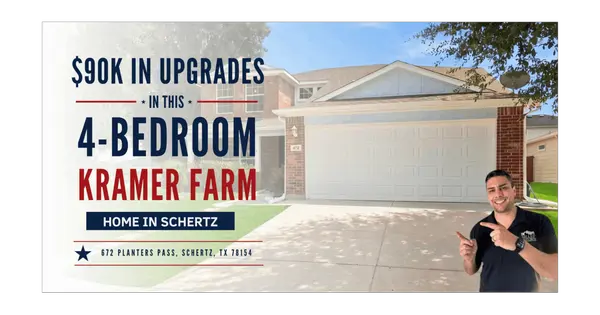
A home you are touring lists more than $90,000 in updates since 2022, and the asking price reflects every dollar of it. The trouble is that a fresh coat of paint and a $30,000 kitchen photograph almost the same on a listing site, and nobody hands you the receipts at the showing. Knowing how to verify a home's update history is what separates paying for real capital improvements from paying a premium for cosmetics.
I am Anthony Sharp, a U.S. Air Force veteran and REALTOR® with Sharp Realty Group here in Cibolo, and I work the northeast San Antonio corridor every week. Buyers relocating to Joint Base San Antonio (JBSA) ask me about this constantly, because verifying the work is part of the same due diligence that helps you land a well-priced San Antonio home and not overpay once you find it.
Every real update leaves a trail, from a contractor invoice to a city permit to a warranty you can transfer into your own name. My job here is to show you where those documents live, how to read them, and how to tell a documented improvement from a claim that evaporates the moment you ask for proof.
I also own and self-manage rental homes across these same ZIP codes, so I keep this paper for a living. I have watched a clean file add real confidence to a sale, and I have watched a vague one cost a seller leverage at the negotiating table. What follows is the exact process I run with buyers before anyone signs anything.
Key Takeaways
- A "$90,000 in updates" claim only holds up when receipts, permits, and warranties back it, so treat the number as a starting point to verify, not a fact.
- City permit records show whether major work and any room addition were done legally and inspected, which protects both value and safety.
- Transferable warranties on a roof or foundation carry real value, but most require you to file a transfer within roughly 30 days of closing.
- The Texas seller's disclosure and your option period give you the window and the leverage to confirm every claim before you are locked in.
Why a Home's Update History Matters
Update history is not trivia. It changes what a home is worth, how much you will spend in your first few years, and how safely you can trust the asking price. Three forces make it matter more than a buyer might expect:
The Difference Between a Remodel and a Refresh
A cosmetic refresh and a capital improvement can look identical in a photo gallery even when one costs 20 times what the other did. New paint, staged furniture, updated light fixtures, and fresh landscaping make a home show beautifully, and there is nothing wrong with any of it. The problem starts when that refresh gets priced like a renovation. A remodel changes the condition and the remaining useful life of the home, with work like a new roof, a replaced heating and cooling system, foundation work, a panel upgrade, or a studs-out bathroom. Your first task is to sort the seller's dollar figure into those two buckets, because only one of them justifies a premium.
The Resale Value of Documented Work
Documentation does more than reassure you today. It travels with the home. When you eventually sell, an itemized file of dated invoices and transferable warranties gives your future buyer the same confidence you want now, and it gives the appraiser something concrete to work with. A new build comes with a builder warranty that reassures the next owner on its own, which is really the heart of weighing new construction versus resale. On a resale, no builder stands behind the work, so the paper trail is yours to assemble, verify, and protect.
The Added Pressure of a Relocation Timeline
Buyers on permanent change of station (PCS) orders rarely get a leisurely search. You may have one house-hunting trip, a report date on the calendar, and a purchase you are making from another state. That compressed timeline is exactly when a documented update history earns its keep, because paperwork can be reviewed remotely and on your schedule when a second walk-through cannot. I spent years in uniform, and I know how fast a relocation clock runs, so I would rather my buyers spend an evening reading a seller's file than lose a weekend driving back for a look they should never have had to take.
The Paper Trail That Proves a Home's Updates

A kitchen mid-renovation with a ladder and tools in the space. Photo: Pexels.
Every legitimate update generates paper, and the strongest verification stacks several records that agree with one another. These are the records worth gathering and where you can find each one:
| Document | What It Proves | Where to Find It |
|---|---|---|
| Contractor invoice | The scope, cost, and date of the work | Seller's files and contractor records |
| City building permit | The work was approved and inspected | City or county permit portal |
| Manufacturer warranty | Coverage on materials like roofing or windows | Seller's paperwork and product registration |
| Service warranty | Coverage on labor like foundation piers | The repair company's records |
| Seller's disclosure | What the seller knows about repairs and defects | Provided with your offer |
This table is a general guide. The documents that exist and where they live vary by property, contractor, and warranty provider, so confirm the specifics for the home you are considering.
Contractor Receipts and Invoices
A credible invoice does more than show a number. It carries the company name and license, an itemized scope, the materials used, the total cost, and the date the work was completed. Those details let you confirm the contractor is a real, registered business rather than a weekend handyman, and they let you match the claimed cost to the actual work. Be cautious with a handwritten total on a page with no letterhead, or a stack of home-improvement store receipts that prove materials were bought but not that they were installed correctly. When an update is significant, I ask for the invoice and then look the contractor up to make sure the company still exists and stands behind its work.
City Permits and Inspection Records
A permit is the closest thing to independent proof that a major improvement was done legally and inspected. A room addition, a re-roof, an electrical panel upgrade, and a water heater swap should each leave a trail in the city's building permit records. Cities across the corridor publish these online, and the Schertz building permit records are a good example, searchable by address through the city portal. A permit that was pulled and then closed with a passing final inspection is the strongest result you can find. An open or expired permit, or no permit at all for work that clearly required one, is a flag worth raising before you go further. Permit rules and records change over time, so treat what you find as a starting point and ask the city or the seller to fill any gaps.
Product and Service Warranties
These come in two kinds, and the difference matters. A manufacturer warranty covers the materials themselves, such as roofing shingles or replacement windows, and often runs for decades. A service or workmanship warranty covers the labor, such as the piers under a repaired foundation. For either one, the question that decides its value to you is whether it transfers to a new owner and what you have to do to keep it in force. A warranty that dies at closing is worth far less than one you can carry forward, so read the transfer terms closely and confirm the issuing company is still in business.
Seller's Disclosure Notice
Texas gives you one document built for this exact purpose. Under Texas Property Code Section 5.008, most sellers of a previously occupied home must deliver a written Seller's Disclosure Notice, the standard version of which is published by the Texas Real Estate Commission (TREC). It asks the seller to report known defects, past repairs, and any additions or alterations made without the required permits. The form is a snapshot of what the seller knows, not a warranty, and "Unknown" is an allowed answer, though it is not a place to hide an obvious problem. Read the disclosure against the receipts and permits you have gathered. When the three agree, your confidence should climb. When they contradict each other, you have found your next question.
How to Verify the Updates That Cost the Most
Some updates cost a few hundred dollars and some cost tens of thousands, so your verification effort should follow the money. The line items below carry the most weight in a home's value and the most risk when the paperwork is thin:
Confirming a New Roof and Its Warranty
A roof is one of the most expensive systems on the home, so a recent replacement is a genuine asset when it is documented. Ask for the installer's invoice showing the date and materials, plus the manufacturer warranty certificate. Shingle warranties can run 25 to 50 years, but many transfer to a second owner only when the work was registered and the transfer is filed within a set window, sometimes for a small fee. A roof replaced in 2022 with a transferable warranty is worth confirming in writing, not just accepting on the seller's word, because the coverage you inherit is only as good as the paperwork behind it.
Verifying Foundation Repairs and Transfer Terms
Our clay soils make foundation movement common across much of the San Antonio area, so a professionally repaired foundation with a transferable lifetime warranty can be a real selling point rather than a liability. The catch is in the fine print. Most Texas foundation warranties require the buyer to file a transfer within roughly 30 days of closing, some allow a little longer, and many charge a transfer fee in the neighborhood of $200 or ask for a notarized form. Coverage can also be voided by things outside the original repair, such as new plumbing leaks, poor drainage, or a structural alteration to the home. Get the repair invoice, any engineer's report, and the written transfer instructions, then confirm the company is still operating and will honor the warranty for you.
Warranty transfer windows, fees, and terms are a general guide and differ by company, so confirm the exact requirements with the issuing contractor before closing.
Checking Heating, Cooling, and Electrical Systems
In a Texas summer, the heating and cooling system is the update buyers ask about right after the roof. Look for the install date, the equipment model, a permit for the replacement, and any remaining manufacturer coverage, which sometimes requires the original owner to have registered it and may transfer only in part. The same logic applies to electrical panel upgrades, rewiring, and major plumbing or water heater work, all of which should show a permit and an inspection when the scope required one. A newer system documented with its install date, model, and remaining warranty is the difference between a vague claim and a number you can bank on. A Fairway Ridge listing in Schertz shows what that looks like in practice, its replacement system backed by paperwork a buyer can check.
Validating a Room Addition and Its Square Footage
A room addition is where update claims and square footage collide, and it is the item I check most carefully. Added living space only counts in your favor when it was permitted, inspected, and reflected in the official records. Work done without a permit may not count toward the home's appraised square footage, can run afoul of setback or building codes, may complicate your insurance, and can void a foundation warranty if it altered the structure. When a listing advertises extra square footage from a converted garage or a family-room addition, that is the exact line item to run against the city permit records and the county appraisal district's record of the home. A little checking here protects you from paying for square footage that does not officially exist.
Working Verification Into Your Buying Timeline
Verification only helps when it happens before you are contractually committed, and in Texas the calendar gives you a specific window to do it. This is the order I walk through with my buyers:
Using the Option Period to Investigate
Texas buyers typically negotiate a short, paid option period at the start of a contract, a set number of days during which you can inspect the home and terminate for almost any reason. That window is when you demand and read the full update file, so build it into your offer with enough days to do the work properly. I ask sellers for the receipts, permits, and warranty documents in writing early in that period, which leaves time to chase down anything missing while you still hold the right to renegotiate or exit.
Pairing Documents With a Professional Inspection
Paperwork tells you when and by whom the work was done, and a licensed inspector tells you how it is performing today. The two belong together. A documented 2022 roof means little if the inspector finds active leaks, and a shiny remodeled bathroom means less if the inspector spots the signs of a repair the disclosure never mentioned. Bring the update file to your inspection so you and the inspector can compare the story the documents tell with the condition of the home in front of you. A qualified inspector is worth every dollar on a purchase this size.
Cross-Checking the Appraisal District Record
The county appraisal district keeps its own record of the home, including the year built, the improvements on file, and the square footage it recognizes. Comparing that record to the listing is a fast way to catch a mismatch, especially on an addition, since space the district does not recognize is space the seller cannot fully prove. The corridor spreads across a few counties, so depending on the address that record may sit with the Guadalupe, Comal, or Bexar county appraisal district. As someone who protests my own appraisals most years, I can tell you these records are useful but not flawless, so use them as a cross-check rather than the final word, and talk with a tax professional about anything that affects your future tax bill.
Putting a Big Update Claim to the Test
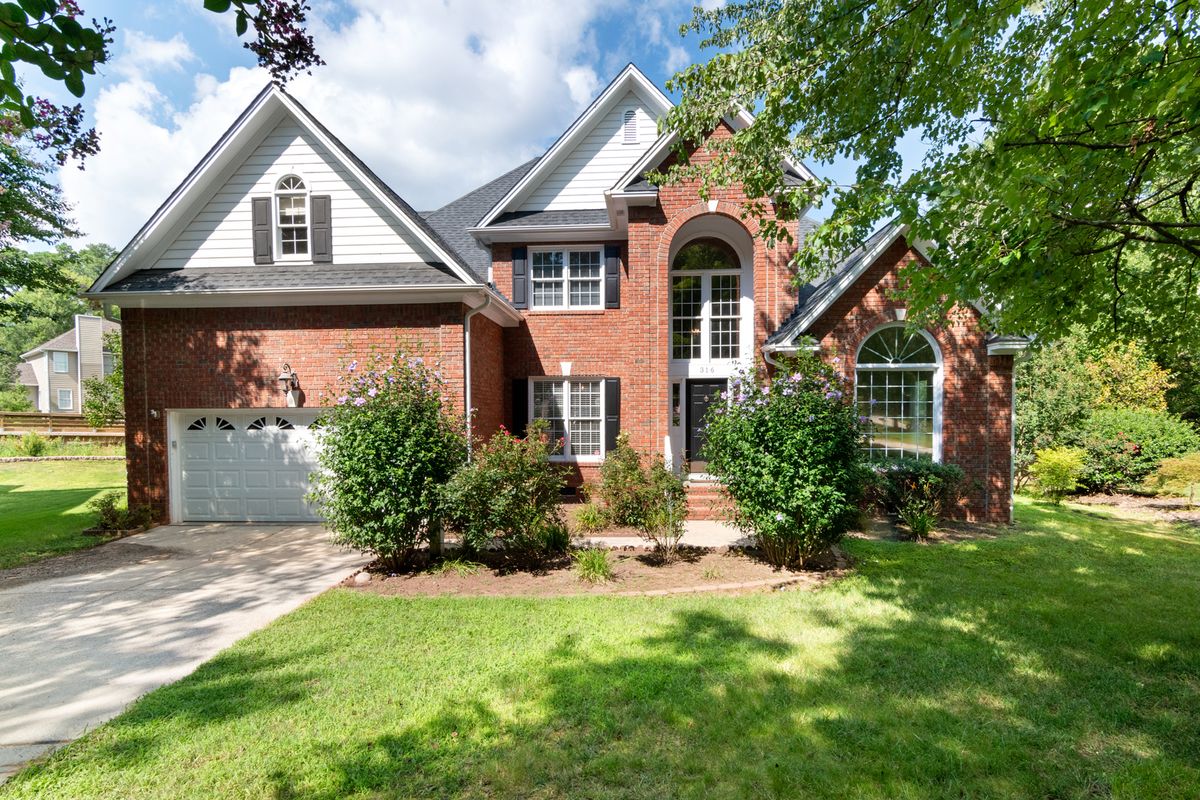
A two-story brick home under a clear sky with a green front lawn. Photo: Pexels.
A large update figure is only a promise until the paperwork behind it checks out. A serious seller can stand behind every dollar, and when the file does that job, the number stops being a leap of faith. This is what I look at before I trust a number that big:
The Documents Behind the Number
A believable $90,000 is never a round guess. It is a stack of specifics, with each improvement matched to a dated invoice, a permit where one was required, and a warranty where one applies, then added up line by line. I like to see the tally itemized, so a buyer can point to the roof, the bathrooms, the systems, and the structural work and see the money land where it should. When a seller can hand you that ledger, you are no longer negotiating against a slogan. You are looking at a documented investment you can price with confidence.
The Benchmark of a Complete File
The clearest way to picture a complete file is to look at one. On a Kramer Farm home in Schertz, the updates since 2022 include a new roof, remodeled bathrooms, and a transferable lifetime foundation warranty, each backed by its own paperwork. That is the standard I want every buyer to hold a seller to, whether the home is one of my listings or somebody else's, so the number on the page is one you can verify instead of one you have to trust.
The Warning Signs of an Undocumented Claim
A few patterns tell me a claim needs more scrutiny before it earns a premium. Watch for these:
- A round dollar figure with no itemized breakdown behind it.
- Updates described only in conversation, with no receipts to review.
- Major work that clearly needed a permit, with none on file at the city.
- A warranty that cannot transfer, or one from a company you can no longer reach.
- A seller's disclosure marked "Unknown" on work the listing openly advertises.
None of these has to kill a deal on its own. What they should do is move the conversation from the asking price to the evidence. When the proof shows up, you pay for what is real. When it does not, you have a fair reason to adjust your offer or walk, and you make that call with facts instead of a hunch.
Buying a Home You Can Trust on Paper
That $90,000 claim that made you hesitate at the showing is answerable now. You know it should resolve into a stack of invoices, permits, and transferable warranties that add up to the claim, and you know where to look when any piece is missing. As a military relocation specialist who lives in this corridor and keeps this kind of file on my own rentals, I can read a seller's paperwork with you before you ever write the offer, so the number on the listing turns into something you can weigh instead of something you have to believe.
You do not have to become a permit specialist or a warranty lawyer to buy with confidence. You need the right questions, the documents that answer them, and a little time inside your option period to line them up. Get that far, and a home with a real update history stops feeling like a risk and starts looking like the smart buy it may well be, backed by proof you can carry into your own ownership and, someday, into your own sale.
Ready to Verify the Home You're Considering?
I am Anthony Sharp with Sharp Realty Group, a U.S. Air Force veteran who helps buyers and military families sort real updates from cosmetic ones across Schertz, Cibolo, and the wider JBSA corridor. When you want a second set of eyes on a seller's update file or a plan for your option period, let's talk.
Call or text: 210-997-0763
Schedule a time: book a consultation
Email: anthony@sharprealtygrouptx.com
Office: 213 Terramar, Cibolo, TX 78108
Frequently Asked Questions (FAQs)
How do I check whether home renovations were permitted?
Start with the online permit portal for the city or county that covers the address, which lets you search records tied to the property. Look for permits that were pulled for major work like additions, re-roofs, panel upgrades, and water heater replacements, and confirm each one closed with a passing final inspection. When you cannot find a permit for work that clearly needed one, ask the seller for an explanation and the city for confirmation before you rely on the improvement.
What documents should a seller provide to prove a home's updates?
Ask for dated contractor invoices showing scope and cost, city permits with final inspections, manufacturer and service warranties for items like the roof and foundation, and the Seller's Disclosure Notice. The goal is to see several documents that agree with one another. A single receipt is helpful, but a matching set of invoice, permit, and warranty is what turns a claim into verified history.
Does a transferable foundation warranty carry over when I buy the home?
It can, but usually not automatically. Most Texas foundation companies require the new owner to file a transfer within roughly 30 days of closing, and many charge a fee or ask for a notarized form. Get the written transfer instructions during your option period, confirm the company is still in business, and handle the paperwork as part of your closing so the coverage is in force the day you take ownership.
Can I trust the Seller's Disclosure Notice on past repairs?
Treat it as a valuable starting point, not the whole story. The disclosure reflects what the seller knows or reasonably should know, and Texas law takes it seriously, but it is not a warranty or a substitute for your own checking. Read it alongside the receipts, permits, and a professional inspection, and pay attention to anything marked "Unknown" that the listing itself advertises as an update.
What happens if a room addition was built without a permit?
An unpermitted addition can create several headaches. The space may not count toward the appraised square footage, it may not meet current codes, it can complicate your insurance, and it can void a foundation warranty if it altered the structure. That does not automatically mean you should walk, but it does mean you should discount the value of the space, ask about bringing it into compliance, and get guidance from the city and, where needed, an attorney.
Is it worth verifying updates during the short option period?
Yes, that window exists for exactly this kind of due diligence. The option period is when you can inspect, request documents, and terminate or renegotiate with your earnest money protected. Negotiate enough days to gather and read the update file, then use every one of them, because the leverage you have before the option period ends is far greater than anything you can do after it closes.
* * *
Disclaimer: This article is general information only and does not consider your individual financial, tax, or legal circumstances. Permit records, warranty terms, disclosure requirements, and program details change and vary by property and provider, and are offered here as a general guide, not a guarantee. Nothing here guarantees financing, approval, appreciation, or resale value. Before making a decision, speak with a qualified professional such as a REALTOR®, a licensed inspector, a licensed lender, or an attorney about your specific situation.
Categories
- All Blogs (258)
- BAH (3)
- For Home Buyers (178)
- For Home Sellers (85)
- For Investors (41)
- For Military Service Members (170)
- For Renters (9)
- JBSA (6)
- Local Events (12)
- Local Real Estate News (38)
- Market Updates (41)
- Military Relocation (40)
- Neighborhood Tours (57)
- PCS Move (103)
- Property Tours (5)
- VA Loans (10)
Recent Posts