
Homes Under $300K Near Randolph AFB: A 2026 San Antonio Buyer's Guide
Key Takeaways
- Homes under $300K sit near the middle of the San Antonio market in 2026, and most near Randolph are resales built between the 1970s and 2000s.
- At today's rates, a zero-down VA payment on a $250,000 home can run about $2,289 with taxes and insurance, more than E-5 BAH with dependents.
- Older homes call for a close look at the roof, HVAC, foundation, plumbing, and electrical before your option period ends.
- Slower sales give buyers room to ask sellers for repairs, closing costs, or help with the VA funding fee.
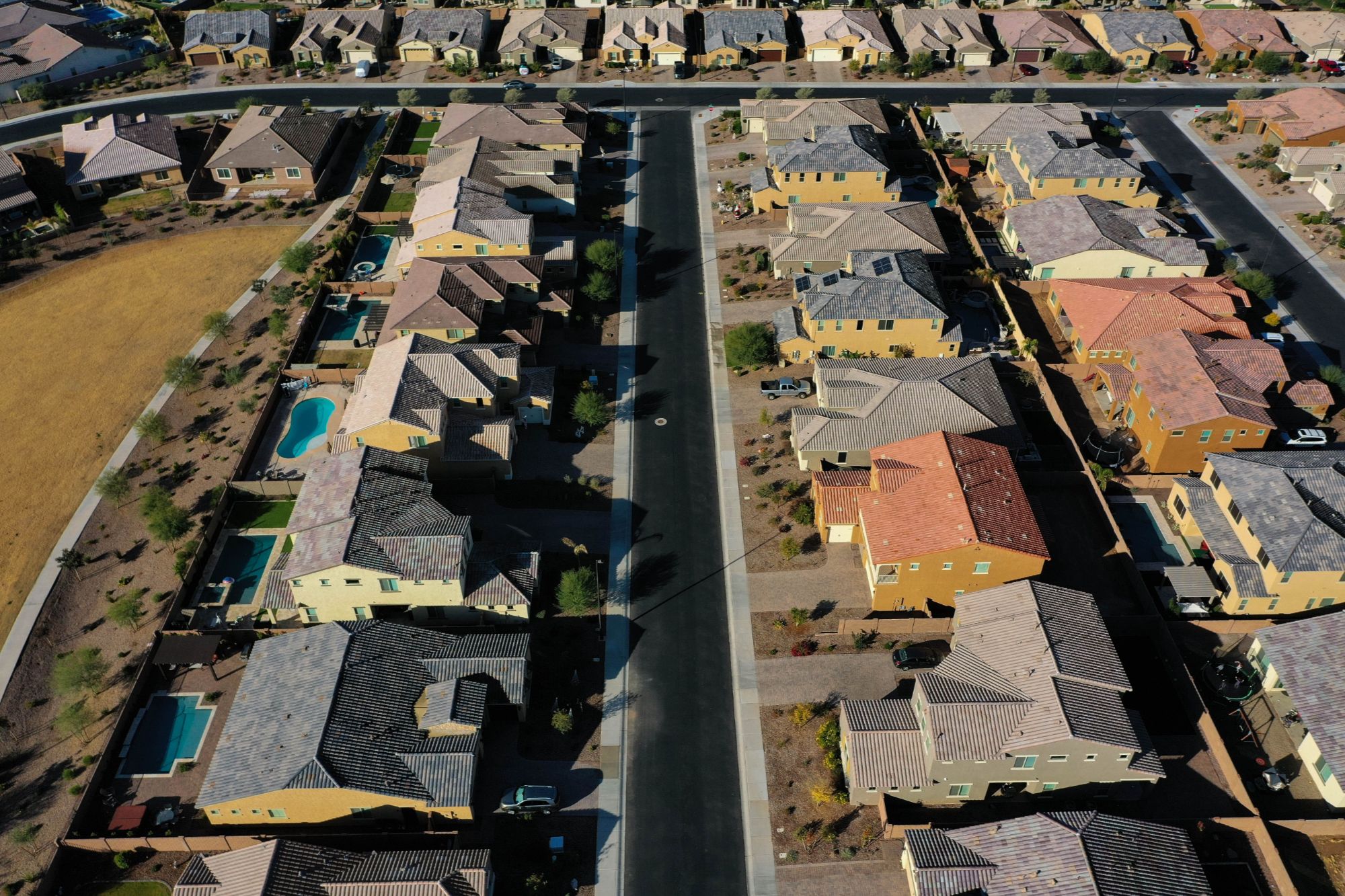
Rows of single-family homes in a suburban subdivision. Source: Pexels
Your listing app keeps showing three- and four-bedroom homes in the $200,000s around Randolph Air Force Base (AFB), and from another state, it's hard to tell a smart buy from a roof replacement waiting to happen. Finding the right home under $300K near Randolph AFB starts with knowing what that price buys in today's market.
I'm Anthony Sharp, a U.S. Air Force veteran and REALTOR® with Sharp Realty Group in Cibolo. The last of my five permanent change of station (PCS) moves brought me to Randolph in 2015, and I still work this corridor every week. A recent search of homes for sale near Randolph across Universal City, Converse, Schertz, Cibolo, and Selma showed how wide this range is, from two-bedroom homes under $200,000 to four-bedroom resales with more than 2,000 square feet in the high $200,000s, though listings change daily.
At this price, the home you can afford on paper and the home you can comfortably own are often two different numbers. What separates them is usually your full monthly payment compared with your Basic Allowance for Housing (BAH), the age of the roof and mechanical systems, and how much a seller near Joint Base San Antonio (JBSA) is willing to give while homes are sitting longer.
What Homes Under $300K Near Randolph AFB Look Like in 2026

A resale home with a For Sale sign on the front lawn. Source: Pexels
Before you narrow your search, it helps to see where this price point sits and what it typically gets you:
The Market Around the $300K Line
In September 2026, the San Antonio Board of REALTORS® (SABOR) reported an area median just over $300,000, about 2% lower than a year earlier. Homes averaged 88 days on the market, and the area had close to six months of inventory. Bexar County single-family homes came in lower, at a $282,680 median, down 4.8%. In other words, a $300,000 budget puts you near the middle of the market, not the bottom.
On average, homes sold for roughly 92% of their original list price, which suggests many sellers started high and adjusted. SABOR updates these numbers monthly, and they vary by city and subdivision, so ask for fresh comparable sales on any home you're serious about.
The Housing Stock in This Price Range
Most homes in this range near the Randolph gates are resales built between the 1970s and 2000s. Recent listings have generally been three- or four-bedroom homes with roughly 1,400 to 2,500 square feet. Universal City's housing tends to be older, with many homes from the 1970s through the 1990s, while much of Converse was built in the 2000s and later.
At the lower end, you'll also find smaller two-bedroom homes and a few townhome-style properties. Some entry-level new builds show up at the edges of Converse and Universal City as well. Builder pricing and incentives change often, so compare those homes against resales on the same budget.
The Communities With Sub-$300K Inventory
Universal City borders JBSA-Randolph, and public home value trackers have generally placed its typical values between the $260,000s and the high $280,000s this year. Converse, a few miles south of the base, has run lower, with typical values in the mid-$240,000s through mid-2026. Live Oak, to the west along Interstate 35, sat at about $243,000 as of August 2026.
Some older Schertz neighborhoods also fall within this range, while many of Cibolo's newer subdivisions price above it. Value estimates differ by source and month, so treat them as a starting point. School assignments vary by address across the Schertz-Cibolo-Universal City, Judson, and other independent school districts, and attendance zones can change, so confirm the zoned campuses with the district before you make an offer.
The Full Cost of a Sub-$300K Home Near Randolph
The list price only tells part of the story. What matters more is the monthly payment, and here's how a zero-down U.S. Department of Veterans Affairs (VA) purchase could look at four price points, for illustration only:
| Purchase Price | Loan With Funding Fee | Principal and Interest | Taxes and Insurance | Estimated Total |
|---|---|---|---|---|
| $225,000 | $229,838 | $1,491 | $587 | $2,078 |
| $250,000 | $255,375 | $1,656 | $633 | $2,289 |
| $275,000 | $280,912 | $1,822 | $679 | $2,501 |
| $299,000 | $305,428 | $1,981 | $723 | $2,704 |
These figures assume a 6.75% rate, a 2.15% first-use funding fee rolled into the loan, property taxes at 2.2% of the price before exemptions, and $175 a month for homeowners insurance. Your actual rate, tax rate, insurance quote, and any homeowners association (HOA) dues will change the total, so plan around a lender's Loan Estimate rather than this table.
Reading the Payment Against Your 2026 BAH
Every JBSA installation falls in the same military housing area, so your BAH depends on your pay grade and dependency status, not the gate on your orders. Under the 2026 San Antonio rates, members with dependents receive $1,728 a month at E-4, $1,869 at E-5, $2,094 at E-6, and $2,112 at E-7.
Measured against the table, an E-6 or E-7 with dependents would roughly cover the full payment on a $225,000 home, while an E-5 would fall about $210 short, with the gap growing as the price rises. The rest often comes from base pay, so BAH doesn't need to carry the full bill. The Department of War released the 2026 rates in December 2025 and updates them each year, so confirm your figure with the official BAH rate lookup before you set a price ceiling.
Weighing the Rate Behind the Numbers
In Freddie Mac's October 29, 2026 survey, the average 30-year fixed rate was 7.24%, a little lower than the week before at 7.32% but well above the 6.17% average a year earlier. That benchmark tracks conventional loans. VA quotes often come in a little lower, though not always, which is why the table uses 6.75%. In the $250,000 example, every quarter-point change in the rate moves the payment by roughly $43 a month.
Seller-funded buydowns, discount points, and side-by-side lender quotes can each help bring that payment down, and the rate strategies for JBSA buyers worth using depend on how long your tour lasts. Rates change weekly and every lender prices loans differently, so get a current quote before you lock.
Budgeting for Taxes, Insurance, and HOA Dues
Property taxes often take a bigger share of the payment at this price point than buyers expect. Because Texas doesn't tax income at the state level, local governments lean on property taxes, and the combined city, county, school, and special-district rates can give two homes at the same price noticeably different tax bills. Before you make an offer, check the tax rates and exemptions for the exact address through the Bexar Central Appraisal District, or through the Guadalupe or Comal district if the home sits in one of those counties.
Once the home becomes your primary residence, a homestead exemption lowers its taxable value, and school districts currently must exempt $140,000 of a homestead's value. Since appraisal districts typically review values every year, it pays to understand the property tax protest process before your first notice arrives. Exemption amounts are set by state law and can change, so confirm them with your appraisal district.
Insurance can also cost more on an older home with an aging roof. Insurers often ask for the roof's age before quoting, though underwriting rules vary by company. Many older neighborhoods have no HOA, while newer subdivisions often do, so confirm any dues and include them before you compare two homes.
Setting Aside Cash to Close
A zero-down loan doesn't mean zero cash. Once your offer is accepted, you'll typically put up earnest money and an option fee, then pay for the inspection, any specialist follow-ups, and usually the appraisal before closing. Under the standard Texas contract, earnest money and the option fee are generally credited toward your purchase at closing, but you still need that cash up front.
Your lender will also collect prepaid taxes and insurance to start your escrow account, and on a lower-priced home, those items can make up a good share of your cash to close. Seller concessions can often cover them. Amounts vary by contract, lender, and county, so ask your lender for an itemized cash-to-close estimate early.
Wondering what one of these homes would cost you each month? Browse the featured homes for sale, send me the address that catches your eye, and I'll run the full payment with taxes and insurance right next to your BAH.
Inspecting Older Homes in the Under-$300K Range
At this price, you're often buying the house along with whatever the last owner put off. I own and self-manage rental homes in this corridor, and the repairs that strain a budget tend to be the ones on systems nobody priced before closing. These are the items worth extra attention during your inspection:
- The roof's age, shingle condition, and any signs of past leaks on the attic decking.
- The heating, ventilation, and air conditioning (HVAC) system's age, refrigerant type, and service records.
- The foundation, plus any drainage that runs toward the slab.
- The water heater's age, venting, and drain pan.
- The plumbing supply lines, especially any polybutylene or galvanized pipe.
- The electrical panel's brand, capacity, and any do-it-yourself wiring additions.
- The signs of termites or wood damage along the slab, siding, and garage framing.
Every home and inspector is different, so treat this as a general guide and hire a licensed Texas inspector for the full picture.
The Clay Soil Foundation Check
Many parts of the San Antonio area sit on expansive clay that swells when it's wet and shrinks during drought, so some slab movement shows up in homes of every age. Hairline cosmetic cracks may be normal. Doors that won't latch, separating trim, or sloping floors may call for a structural engineer's evaluation.
An engineer's report usually costs far less than a foundation repair, and it turns a vague worry into a written scope you can negotiate with. Ask whether the movement looks active or historical, since that answer often shapes how much a seller will concede. Recommendations can vary from one engineer to the next, so read the report closely.
The Option Period Deadline
The standard Texas resale contract lets you pay a negotiated fee for an option period, and during that window you can terminate for any reason. Try to schedule the general inspection within the first day or two, which leaves room for a roofer, HVAC technician, or engineer to follow up before the deadline.
The number of days in the option period is negotiated too, so the figure written into your contract is the one that counts. Contract forms can change, so review the current version with your agent and bring any legal questions to a real estate attorney.
The VA Appraisal Checklist
A VA appraisal sets the home's value and checks it against VA Minimum Property Requirements (MPRs), which focus on safety, structural soundness, and sanitation. On older homes, common issues include peeling paint on homes built before 1978, roofs near the end of their life, missing handrails, and heating or cooling that doesn't work. In much of Texas, VA lenders also often require a termite inspection report.
MPR items generally have to be repaired and cleared before closing, so it helps to spot them during showings rather than after the appraiser does. VA guidance and lender conditions can change, so ask your loan officer which items they're seeing flagged on homes in your price range.
Making the Numbers Work Below $300K Near JBSA-Randolph

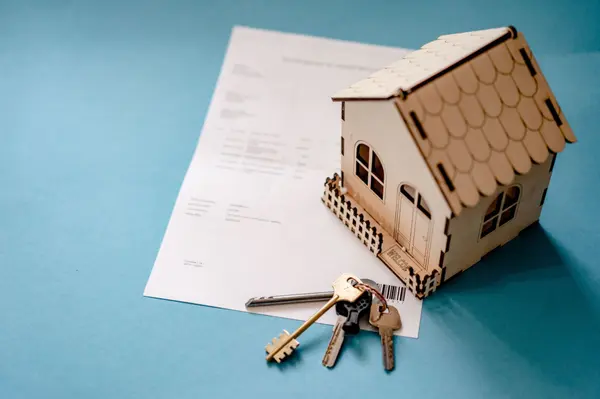
Reviewing a mortgage application with a calculator before buying under $300K. Source: Pexels
With a smaller price tag, there's less room for surprises, so the choices you make around the purchase carry more weight. Here's where buyers under $300,000 usually find room to work:
Using a VA Loan at This Price Point
With full entitlement, a VA loan lets you buy with no down payment, no monthly mortgage insurance, and no VA loan limit. The one-time funding fee is 2.15% of the loan for first use with less than 5% down, or 3.3% for later use. Veterans receiving compensation for a service-connected disability are generally exempt, and that status appears on your Certificate of Eligibility (COE).
On a $275,000 home, a 2.15% fee adds about $5,900 to the loan balance, which is one reason some buyers ask the seller to cover it. VA can revise fees and exemptions, so confirm both with your lender before you write an offer.
Comparing FHA and Conventional Options
Buyers without VA eligibility often weigh Federal Housing Administration (FHA) loans against conventional loans. FHA loans generally allow 3.5% down with qualifying credit and come with their own mortgage insurance premiums and property standards. Some conventional programs allow as little as 3% down for first-time buyers, and conventional loans with less than 20% down usually carry private mortgage insurance.
Which option costs less depends on your credit, down payment, and the home's condition, so ask a lender to price both on the same address. Program rules change, and lenders often add requirements of their own.
Negotiating With Sellers in a Slower Market
With homes sitting longer and many selling below their original list price, sellers in this range are often open to more than a price cut. On a VA loan, seller concessions can reach 4% of the home's reasonable value and may cover the funding fee, prepaid taxes and insurance, or a temporary rate buydown. Normal closing costs generally fall outside that cap.
Repair requests carry more weight when they're tied to inspection findings and MPR items rather than a long wish list. On older homes, asking the seller to finish specific repairs before closing or to cover closing costs and prepaid items can leave more of a zero-down buyer's cash for the first year in the home. Lenders limit how seller credits can be used, so check with your loan officer before you make the request.
Planning for a Future Rental
Some buyers keep a home in this range as a rental after they PCS, since the base draws new military households every moving season. A VA loan still requires that you intend to live in the home when you buy it, so any rental plan comes after your own tour, not instead of it.
Before you count on rent to cover the payment later, pull rent comparables for that street, then subtract taxes, insurance, maintenance, vacancy, and property management. Your homestead exemption is tied to your primary residence, so ask your appraisal district and a tax professional what changes once you move out.
Buying Under $300K Near Randolph With Confidence
Telling the smart buys from the repair bills in disguise now comes down to a method you can repeat. A home under $300,000 that passes a careful inspection and fits your budget with taxes and insurance included can be a sound place to land for a three-year tour and beyond. Working with a Military Relocation Professional (MRP) in San Antonio who has made PCS moves of their own can keep your inspection deadlines, VA appraisal, and report date on the same plan.
You don't need the cheapest house near the gate. You need the one whose roof, payment, and commute you'll still feel good about on the day your next orders arrive.
Ready to Find Your Home Under $300K Near Randolph?
I'm Anthony Sharp with Sharp Realty Group, a U.S. Air Force veteran who helps military families and relocating buyers find homes that fit their budget across Universal City, Converse, Schertz, Cibolo, and the wider JBSA corridor. Send me your price ceiling and report date, and we'll build a search, an inspection plan, and a lender comparison around them.
Call or text: 210-997-0763
Schedule a time: book a consultation
Email: anthony@sharprealtygrouptx.com
Office: 213 Terramar, Cibolo, TX 78108
Frequently Asked Questions (FAQs)
Can you still find homes under $300K near Randolph AFB in 2026?
Yes. With the SABOR area median just over $300,000 in September 2026, this price range covers a large share of the local market. Near the base, most options are resales built between the 1970s and 2000s in Universal City, Converse, Live Oak, and older parts of Schertz.
Inventory changes weekly, so set up a saved search and compare condition as closely as price.
Does BAH cover a mortgage on a $250,000 home near Randolph?
Often not entirely. In the illustration above, a zero-down VA payment on a $250,000 home runs about $2,289 a month with taxes and insurance. For comparison, 2026 BAH with dependents is $1,869 at E-5 and $2,094 at E-6.
Your rate, tax bill, and insurance quote will change that number, so run the full payment with a lender before you set a budget.
What should I inspect on an older home near Randolph AFB?
Start with the roof, HVAC system, foundation, water heater, plumbing supply lines, electrical panel, and any signs of termites. Book the general inspection early in your option period so a roofer, HVAC technician, or structural engineer has time to follow up before your deadline. Inspection scopes vary, so ask what each report covers.
Will a VA appraisal flag problems on an older home?
It can. The appraiser checks the home against VA Minimum Property Requirements, and common flags on older homes include peeling paint on pre-1978 homes, worn roofs, missing handrails, and heating or cooling that doesn't work.
Those items generally need to be repaired before closing, and your lender can explain how reinspection works.
Can a seller pay my VA funding fee?
Yes. A seller can pay the VA funding fee as part of negotiated concessions, which are capped at 4% of the home's reasonable value on a VA loan. Prepaid taxes, insurance, and temporary rate buydowns also count toward that cap, while normal closing costs generally don't. Confirm how your lender classifies each item before you finalize the offer.
Are homes under $300K near Randolph good rentals after a PCS?
They can be, since the base brings in new military households each PCS season. The numbers have to work with taxes, insurance, maintenance, vacancy, and management included, and your homestead exemption may change once you move out.
Sharp Realty Group can pull rent comparables for a specific street before you commit, and a tax professional can walk you through the tax side.
* * *
Disclaimer: This article is general information only and does not consider your individual financial, tax, or legal circumstances. Market data, mortgage rates, BAH rates, VA program terms, and property tax rules change and are provided as a general guide, not a guarantee. Nothing here guarantees financing, approval, appreciation, or resale value. Before making a decision, speak with a qualified professional such as a REALTOR®, a licensed lender, or an attorney about your specific situation.
Categories
- All Blogs (296)
- BAH (4)
- For Home Buyers (204)
- For Home Sellers (95)
- For Investors (45)
- For Military Service Members (196)
- For Renters (10)
- JBSA (9)
- Local Events (12)
- Local Real Estate News (40)
- Market Updates (43)
- Military Relocation (44)
- Neighborhood Tours (58)
- PCS Move (115)
- Property Tours (7)
- VA Loans (19)
Recent Posts