

VA Loan Closing Timeline in San Antonio: What Happens in 25 to 35 Days
My VA buyers typically close in 25 to 35 days from an executed contract, as long as the appraisal, any required repairs, and the lender's paperwork stay on schedule. The VA appraisal is the step most likely to move that date. The most reliable plan starts with your report date and works backward from it.
Key Takeaways
- My VA purchases typically close in 25 to 35 days from an executed contract when the appraisal and paperwork stay on track.
- The VA appraisal and any repairs it requires are what most often push a closing date, so get the appraisal ordered early and plan for a reinspection.
- Having your Certificate of Eligibility ready and answering lender requests the same day remove the most common avoidable delays.
- PCS buyers should set the closing date backward from the report date and confirm remote signing options before going under contract.

Every step in the timeline leads to this moment. Photo: Pexels.
Your permanent change of station (PCS) orders say report to Joint Base San Antonio (JBSA) in six weeks, the movers want a delivery address, and the seller just accepted your offer. Now the question that matters most is simple. When do you actually get the keys?
I am Anthony Sharp, a 9-year enlisted U.S. Air Force NCO and REALTOR® with Sharp Realty Group, and I live in Cibolo. I have helped more than 100 military families with PCS moves to JBSA, and my VA closings typically land in 25 to 35 days. Buyers still choosing a loan program can start with my VA loan vs. FHA guide and come back here once VA is the plan.
That range is a pattern, not a promise. It reflects what usually happens when the appraisal comes back clean, the buyer answers the lender quickly, and the title work holds no surprises. Knowing which step controls the calendar is what keeps a PCS move from turning into extra nights in temporary lodging.
How the VA Loan Closing Timeline Works in San Antonio
A VA purchase follows the same basic path as any Texas home sale, with a few added steps that shape the calendar:
The Clock That Starts at the Executed Contract
Your timeline begins on the effective date of the contract, the day the last party signs and the offer becomes binding. Most Texas resale homes are bought on the standard TREC resale contract form from the Texas Real Estate Commission (TREC), and the closing date written into it is the target everyone works toward.
The Third Party Financing Addendum attached to that contract sets how long you have to secure loan approval. For VA loans, it also carries the VA's required appraisal language. In general, that language means you are not obligated to buy, and you do not forfeit your earnest money, when the home appraises below the contract price. Your exact options depend on the terms you signed, so review them with your agent.
The Steps a VA Loan Adds
A home loan backed by the U.S. Department of Veterans Affairs (VA) adds three things a conventional loan does not. You need a Certificate of Eligibility (COE) that confirms your entitlement. The home needs a VA appraisal, which checks both value and the VA Minimum Property Requirements (MPRs). Your lender then needs the Notice of Value (NOV), the VA's official statement of the appraised value and any conditions attached to it.
You will also see a VA funding fee on your loan unless you are exempt, for example because you receive VA disability compensation. It usually does not change the timeline, but it does change your numbers, so ask your lender to show it on your Loan Estimate early.
The Parts of the Timeline You Control
You cannot control how fast an appraiser gets to the house, but you do control a lot. How quickly you send pay statements and bank records, how fast you book the inspection, and whether you keep your credit steady until closing all show up on the calendar. In my experience, buyer response time is often what separates a closing that lands early in the range from one that slips past it.
A Week-by-Week VA Closing Timeline for San Antonio Buyers

A closing date is easier to hit when every deadline is on one calendar. Photo: Pexels.
Here is how a closing in the 25 to 35 day range usually unfolds, using a sample schedule I plan from. Your contract dates, lender, and property will shift it:
| Stage | Sample timing | What happens |
|---|---|---|
| Contract | Days 1 to 3 | Earnest money and option fee go to the title company, and the loan file opens |
| Option period | Days 1 to 10 | Inspection, repair requests, and a signed repair amendment |
| VA appraisal | Days 3 to 18 | Appraiser visit, Notice of Value, and any required repairs |
| Underwriting and title | Days 10 to 25 | Loan conditions, title commitment, survey, and insurance |
| Closing | Final week | Closing Disclosure, final walkthrough, signing, and funding |
This sample schedule is a general guide from my own planning, not an average or a guarantee. Your contract and lender set the actual dates.
Contract, Earnest Money, and Option Fee (Days 1 to 3)
Under the current standard Texas resale contract, the buyer delivers the earnest money and option fee to the title company within three days after the effective date. The same week, send your signed contract to your lender so the loan file opens and the appraisal can be ordered. Every day the appraisal order waits is a day added to the back end of your timeline.
Inspection and Option Period (Days 1 to 10)
The option period is the window you negotiate in your offer to inspect the home and decide whether to move forward. Book the inspection in the first few days so you have time to read the report, get repair quotes, and negotiate before the window closes. A signed repair amendment gives the seller a clear list to finish before closing, and it gives your lender something concrete to track.
VA Appraisal and Notice of Value (Days 3 to 18)
Your lender orders the appraisal through the VA's system, which assigns a VA-approved appraiser. You do not get to pick the appraiser. After the visit and report, the lender or VA issues the Notice of Value, which states the value and lists any conditions the home must meet before closing.
This is the stage that most often moves the calendar. A clean appraisal keeps you on pace. Required repairs mean the seller has to complete the work and, in many cases, the home gets reinspected before the loan can close.
Underwriting, Title, and Survey (Days 10 to 25)
While the appraisal moves forward, the underwriter reviews your income, assets, and credit and sends back conditions, which are requests for documents or explanations. At the same time, the title company searches the property's history and issues a title commitment, and the survey question gets settled. Homeowners insurance needs to be bound, with the policy sent to your lender, before you can get final approval.
Closing Disclosure, Walkthrough, and Signing (Final Week)
Once the loan is clear to close, your lender sends the Closing Disclosure. Federal rules from the Consumer Financial Protection Bureau (CFPB) require you to receive it at least three business days before you close, and certain changes to the loan can restart that waiting period. Read it against your Loan Estimate and ask about anything that changed.
The last look at the house comes right before signing, and my final walkthrough checklist covers what to test room by room. After you sign, the lender funds the loan, the title company records the deed, and the keys are yours.
What Slows Down a VA Closing in San Antonio
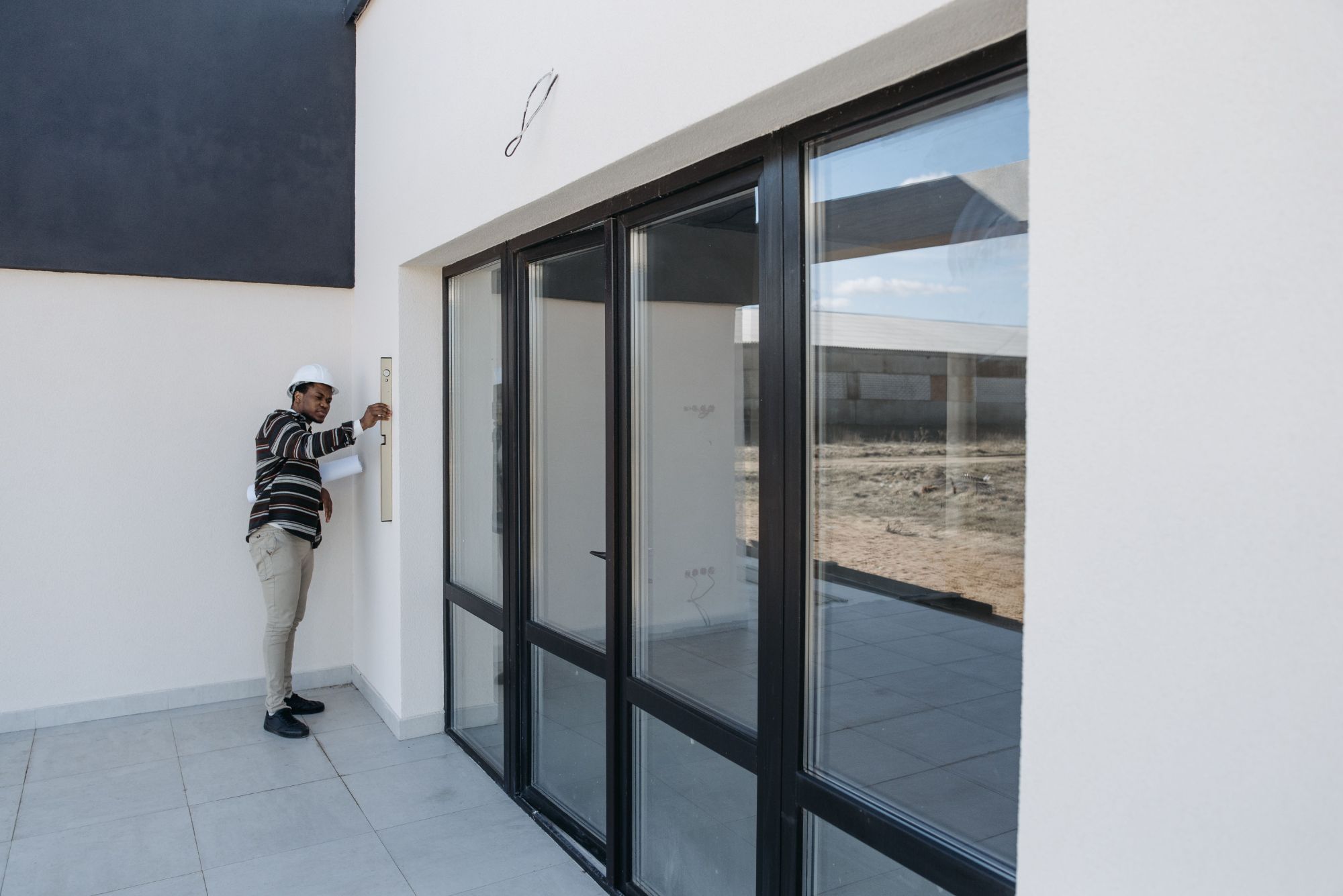
Items an appraiser flags have to be fixed before the loan can close. Photo: Pexels.
Most delays trace back to a short list of causes, and nearly all of them show up early when you know where to look:
Appraisal Repairs Under VA Property Requirements
The VA's Minimum Property Requirements look at whether a home is sound, sanitary, and livable. Common flags include a roof near the end of its life, systems that do not work, missing handrails, and peeling paint on older homes. None of these kill a deal on their own, but each one adds steps, because the repair has to be done and the lender has to verify it.
Asking the listing agent early about roof age and known issues helps you spot likely flags before the appraiser does. Depending on the property's location, your lender may also require a wood-destroying insect report, so ask whether one applies.
Low Value and the Tidewater Process
When a VA appraiser expects the value to come in below the contract price, VA procedures call for a notice to the lender before the report is finished. That step is known as the Tidewater process. It opens a short window, typically two business days, for the agents and lender to send additional closed sales that may support the price.
When the value still comes in low, the usual paths are renegotiating the price, covering the difference in cash, requesting a formal reconsideration of value, or using the VA appraisal language in your contract to exit. Each path takes time, so having recent comparable sales ready before the appraisal helps.
Missing Eligibility or Income Documents
Many lenders can pull your COE online in minutes, but some records need extra documentation and take longer. You can also request it yourself through the VA's COE request page. Buyers relocating on orders should expect the lender to ask for a copy of those orders along with recent pay statements. Sending complete, readable documents the first time saves days of back and forth.
Title, Survey, and HOA Paperwork
Title searches sometimes turn up old liens, estate issues, or a seller payoff that takes time to resolve. In Texas, a seller may be able to provide an existing survey with an affidavit stating nothing has changed, but a new survey takes longer to schedule. Homes in a homeowners association (HOA) also need resale documents from the association. In many newer subdivisions around Schertz and Cibolo, you will also receive notices about a municipal utility district (MUD) or public improvement district (PID), which add a line to your tax picture.
New Construction Completion Dates
On a new build, the builder's completion date usually controls closing, not the 25 to 35 day range. Weather, inspections, and supply delays can move that date. VA buyers on new construction may also need extra paperwork, and your lender will list exactly what applies. Get a realistic completion window from the builder in writing and plan your move around the later end of it.
Planning Your VA Closing Around PCS Orders
Orders add a hard deadline to a process that already has a lot of moving parts, so the plan has to start from that date:
Working Backward From Your Report Date
Start with your report date and your household goods delivery window, then count back. Leave a few buffer days between the target closing and the day you need to be in the house, so an appraisal repair or a slow condition does not leave you without a place to land. When your closing falls near year-end, read up on closing during the holidays, since shorter office hours can squeeze the final week.
Closing From Your Current Duty Station
You do not have to be in San Antonio to buy here. Many buyers tour by live video, sign electronically where the lender and title company allow it, and use a power of attorney (POA) for the documents that need a wet signature. Lenders and title companies each decide which POA forms they accept, and a VA loan may need specific language. Ask both for their requirements before you go under contract, not during closing week.
Coordinating Movers and Temporary Lodging
Once you have a target closing date, share it with your transportation office so your household goods delivery lines up with the day you can receive them. Ask your finance office how temporary lodging allowances apply to your move, so a short delay does not come out of pocket. Keep everyone working from the same date, and update them all at once when anything changes.
Ways to Keep Your VA Closing on Schedule
A few habits make a real difference between a closing that lands on time and one that slips:
- Have your COE in hand before you write an offer.
- Get a full preapproval, not a prequalification, from a lender that closes VA loans regularly.
- Answer lender requests the same day when you can, with complete documents.
- Book the inspection right away so repair talks finish inside the option period.
- Ask early about roof age and known issues a VA appraiser may flag.
- Hold off on new credit, job changes, and large purchases until after closing.
- Confirm wiring instructions by phone with your title company at a number you look up yourself.
Treat this list as a general guide. Your lender may add steps based on your file and the property.
Closing on Your San Antonio Home on Your Timeline
A VA closing is not a black box. Once you know the appraisal sets the pace, the title work runs alongside it, and your own response time fills in the rest, the calendar stops feeling like guesswork.
Start from your report date, line up your documents before you make an offer, and build in a little room for the appraisal. That way the date on your contract is a date you can plan your move around.
Frequently Asked Questions (FAQs)
How long does it take to close on a VA loan in San Antonio?
My VA buyers typically close in 25 to 35 days from an executed contract. The main factors are how quickly the VA appraisal comes back, whether it requires repairs, and how fast both sides send documents. Confirm the expected timeline with your lender before you set a closing date.
Does a VA loan take longer to close than a conventional loan?
Not by much when the file is organized. The VA appraisal and its property requirements are the main added steps, and they mostly add time when a home needs repairs. A lender that closes VA loans regularly usually knows how to keep those steps moving.
Can I close on a house near JBSA before I arrive?
Yes. Many buyers close while still at their current duty station by touring through live video, signing electronically where allowed, and using a power of attorney their lender and title company approve. Sharp Realty Group runs live video tours for buyers who cannot be here in person and settles the signing plan before going under contract.
What happens if the VA appraisal comes in low?
The appraiser usually alerts the lender first through the Tidewater process, which gives the agents a short window to send more closed sales. When the value stays low, you can renegotiate, cover the difference in cash, request a reconsideration of value, or use the VA appraisal language in your contract to exit, depending on your contract terms.
When should I get my Certificate of Eligibility?
Before you start making offers. Many lenders can pull it online quickly, but some records take longer to verify, and finding that out after you are under contract eats into your timeline.
Does new construction change the VA closing timeline?
Yes, because the builder's completion date usually controls when you close. Get a realistic completion window in writing, and ask your lender early which VA documents the new home will need.
Plan Your VA Closing Around Your Report Date
Share your report date and the areas you are considering, and I will map a closing calendar that works backward from it, with room built in for the appraisal and any repairs.
Sharp Realty Group, 213 Terramar, Cibolo, TX 78108
* * *
Disclaimer: This article is general information only and does not consider your individual financial, tax, or legal circumstances. Closing timelines, contract forms, lender requirements, and VA program rules change and vary by transaction, and the timeframes here are a general guide, not a guarantee. Nothing here guarantees financing, approval, appreciation, or resale value. Before making a decision, speak with a qualified professional such as a REALTOR®, a licensed lender, or an attorney about your specific situation.
Categories
- All Blogs (290)
- BAH (4)
- For Home Buyers (202)
- For Home Sellers (94)
- For Investors (45)
- For Military Service Members (194)
- For Renters (10)
- JBSA (7)
- Local Events (12)
- Local Real Estate News (40)
- Market Updates (43)
- Military Relocation (42)
- Neighborhood Tours (58)
- PCS Move (112)
- Property Tours (7)
- VA Loans (19)
Recent Posts