
Why the Cheapest Listing Isn't Always the Better Value
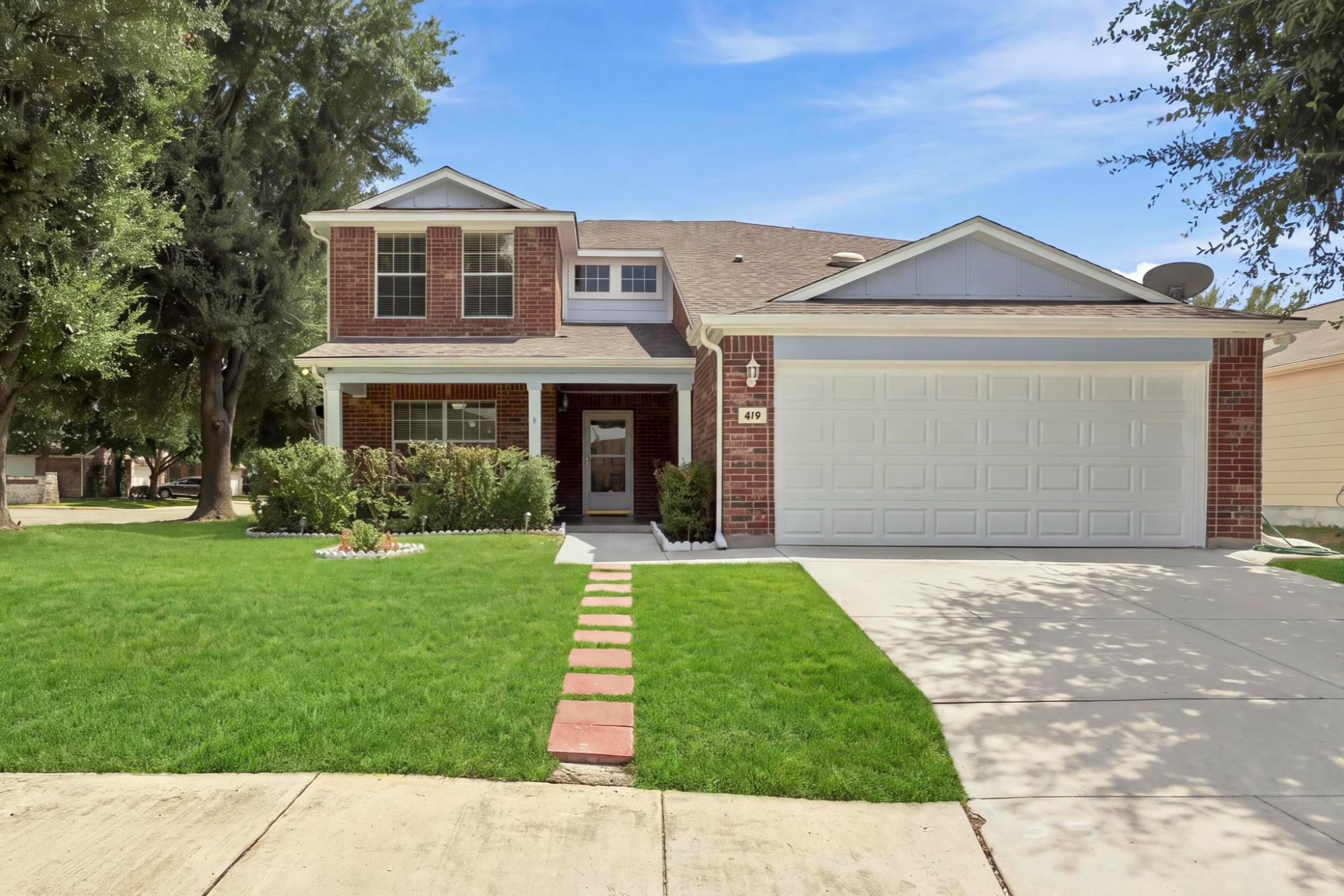
A suburban home for sale on a quiet street. Photo: Sharp Realty Group.
Line up two homes on the same street and one lists for $15,000 less than the other. Most buyers stop right there and call the cheaper one the deal. Six months later, that cheaper home is the one swallowing a new roof and a heating and cooling system, while the higher-priced house down the block has not cost its owner a dollar past the mortgage.
That is the comparison the cheapest listing never shows you on the screen. I am Anthony Sharp, a U.S. Air Force veteran and REALTOR® with Sharp Realty Group here in Cibolo, and running that head-to-head is what I do with buyers every week. When we open the current San Antonio homes for sale together, we never rank them by price alone, because the number at the top of a listing rarely tells you what the home will cost once you own it.
A fair comparison puts the whole cost of each home in front of you, not just the sticker. Condition, taxes, insurance, location, and the work a seller has or has not already done all count next to the price. The cheapest line rarely comes out ahead once you add in the rest.
What follows is how I run that comparison the way I would if we were standing in the driveway together, weighing a cheap listing against a higher-priced home so you can see which one is the smarter buy once every cost is counted.
Key Takeaways
- The cheapest listing can carry the highest cost of ownership once repairs, taxes, insurance, and commute are counted.
- Condition matters more than sticker price, since a low price often signals a tired roof, heating and cooling system, or foundation.
- A home with upgrades already done or a warranty in place can be the cheaper buy over time, even at a higher list price.
- Reading days on market, price cuts, and price per square foot helps you separate a real deal from a cheap problem.
What the Cheapest Listing Really Costs You
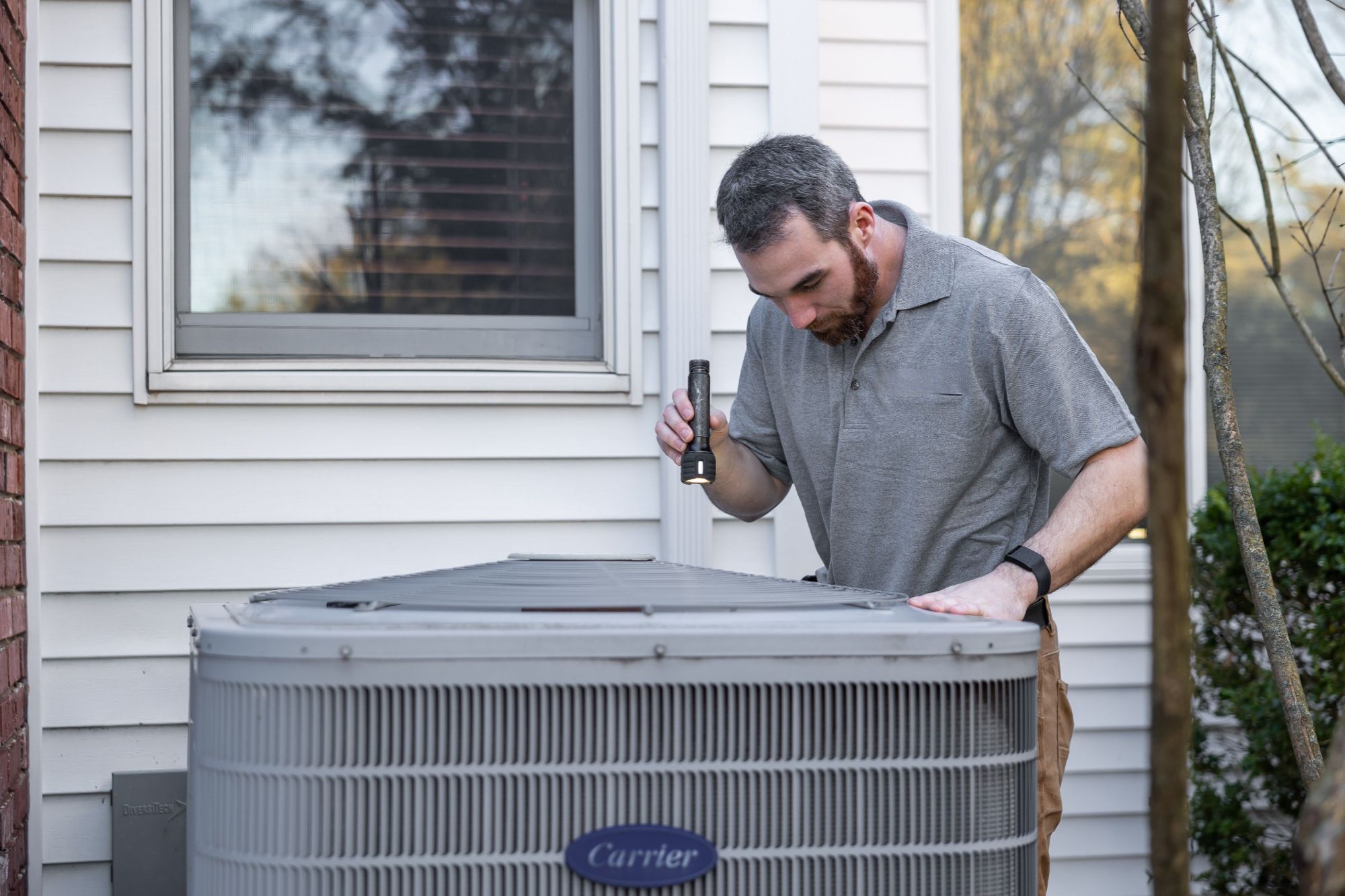
A home inspection can surface repairs a low price hides. Photo: Pexels.
A low asking price usually means the seller is competing on the one number buyers notice first. The costs that decide whether a home is a good deal, though, tend to sit out of view until you own the place. Here is where they hide:
Condition and Deferred Maintenance
The gap between a cheap home and a sound one is usually condition. A price at the bottom of the range often reflects a roof near the end of its life, a heating and cooling system limping toward replacement, or a foundation that has started to move. In Texas, none of those are small numbers. A roof replacement here runs around $8,600 on average and climbs from there with size and materials. A full system replacement tends to run several thousand dollars and tops $10,000 on larger homes. Foundation work is the one that stings most, because our expansive clay soils make slab movement routine, and typical repairs land between $3,300 and $9,000 while major structural jobs reach well past $10,000.
Those are only the headline items. A water heater, an aging electrical panel, tired plumbing, and worn windows each carry their own bill, and they have a way of arriving in the same year on a home that has been left alone. I have watched a buyer save $12,000 on the price of a house and hand most of it back to a roofer and an air-conditioning crew inside the first summer.
The bill does not stop at repairs. One national analysis of the hidden costs of homeownership put the yearly total for maintenance, insurance, and taxes near $16,000 for a typical owner, none of which shows up on a listing price. A home priced $15,000 under its neighbor can erase that discount in a single year of catch-up repairs.
Property Taxes and Insurance
The same asking price can still turn into two different monthly payments once taxes and insurance are added. Across the San Antonio area, a home in one city or county can sit under a different combined tax rate than a home a few miles away, and special districts can add a line some buyers never see coming. Texas has no state income tax, and the trade-off is property taxes on the higher end. Insurance has climbed across the state in recent years as well. I always tell buyers to budget the full monthly payment, taxes and insurance included, not the principal and interest a rate quote shows. Filing a homestead exemption and protesting the appraisal each year can take real money off the bill, and I protest my own every year. Confirm the exact figures with the county appraisal district and a tax professional before you settle on a number.
Location, Lot, and Commute
Price often drops for a reason you can stand in. A cheaper home may back to a busy road, sit farther from a Joint Base San Antonio (JBSA) gate, or come with a lot that pools water in one corner after a hard rain. For a family reporting to one of those gates, an extra 15 or 20 minutes each way is time you never get back, and I spent enough years in uniform to know that a long commute wears on you fast. A quiet interior lot, a shorter drive, and a section that drains well are worth paying for, because they shape daily life long after the price stops mattering. The same features protect you on the way out, too, because the buyer who follows you will weigh the busy road and the long drive the same way you are now. A home that is easy to live in tends to be easier to sell.
How I Read Home Value in the San Antonio Market in 2026
Spotting what a low price hides is one thing. Reading the market well enough to catch it early is another, and 2026 hands buyers more to go on than they had a few years ago, with inventory across the San Antonio metro up, homes sitting longer, and sellers negotiating again. Here is how I read the signals on a San Antonio home:
Reading Days on Market and Price Cuts
Time on the market is one of the honest signals a listing gives you. Across the San Antonio metro this year, the median sale price has held just above $299,000, inventory has climbed to nearly a six-month supply, and homes have averaged around 82 days on the market, longer than a year ago. That mix gives buyers room to breathe and pushes sellers to price and position with real care. With the 30-year fixed mortgage averaging near 7% this fall, every dollar of price shows up in the payment, so a real discount matters more than it did when money was cheap.
When a home has sat for weeks and taken a price cut or two, that can be leverage rather than a warning, as long as the reason it lingered is price and not a defect. I always line a candidate up against what has recently sold nearby, not against the other homes still sitting, because sold prices tell you what buyers have paid while active prices only tell you what sellers hope to get.
Comparing Price per Square Foot
Price per square foot is a quick gut check, not a verdict. Divide the price by the finished square footage and you can see whether a home sits under, over, or in line with what has been selling nearby. A cheaper home with a low figure can be a real deal, or it can be telling you the finishes are dated and the systems are old. A pricier home with a higher figure can still be the better buy when the roof, the heating and cooling, and the kitchen were redone last year. The number starts the conversation, and the condition finishes it.
Weighing Upgrades Already Done
The work a seller has already paid for is worth counting, because it is work you will not have to fund yourself. New flooring, a replaced roof, a recent heating and cooling system, updated kitchens and baths, and a transferable warranty all move a home from a project toward a place you can settle into.
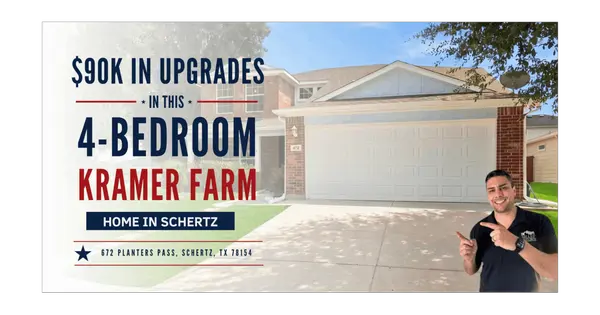
A good example sits in Kramer Farm right now. The owners put more than $90,000 into this upgraded Kramer Farm home since 2022 and left a transferable foundation warranty in place, so a buyer inherits work that would otherwise land on their own budget. On paper it is not the cheapest four-bedroom in Schertz, yet once you price the upgrades and the warranty, it competes hard on what matters.
The Value Trap Behind the Cheapest Listings
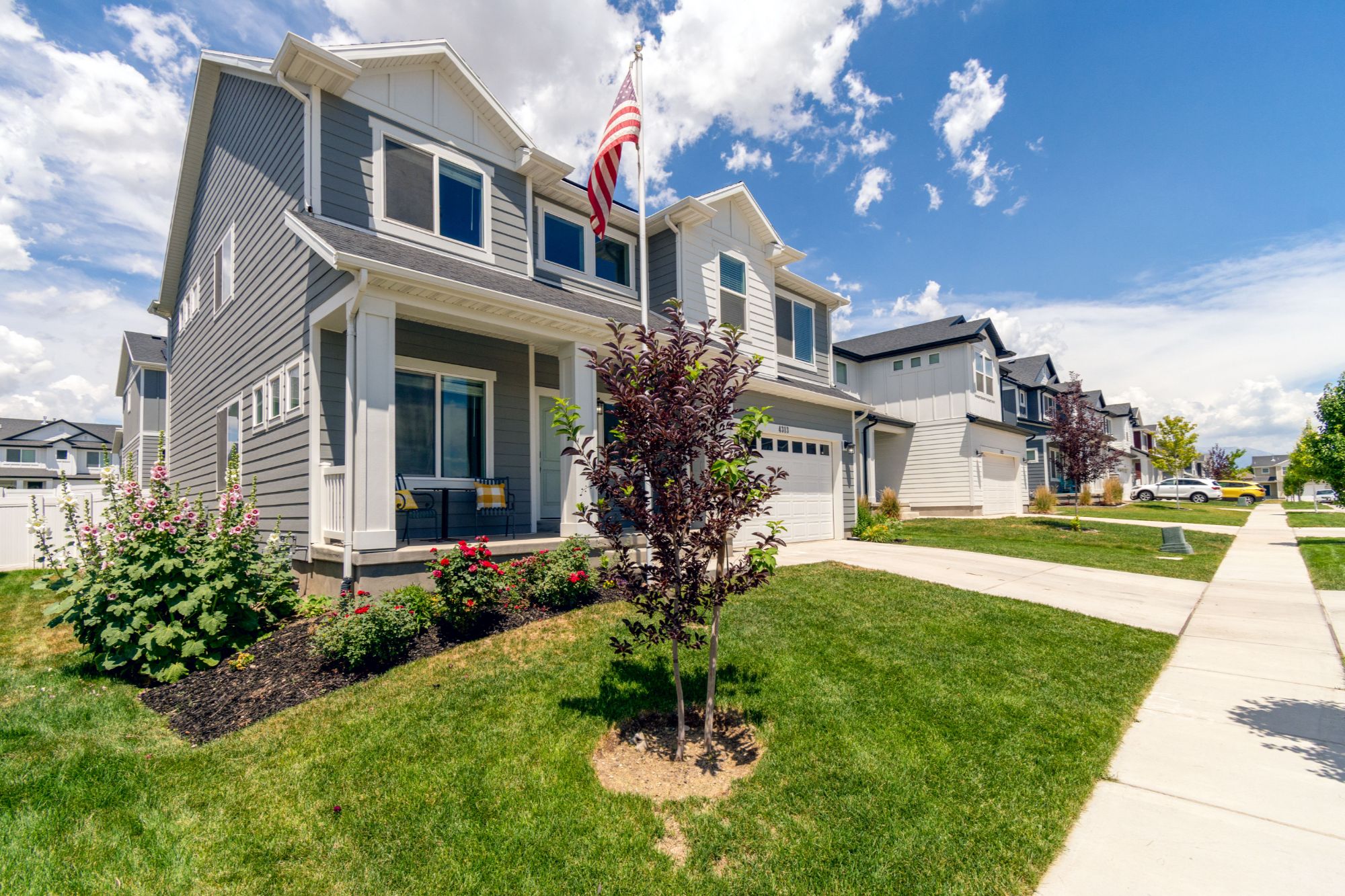
Two homes at the same price can carry sharply different costs. Photo: Pexels.
Some cheap homes cost more than they save, and some homes that look expensive are the cheaper choice once you own them. Telling the two apart is most of the job. A short, illustrative comparison shows how it plays out:
| Factor | Home A (Lower Price) | Home B (Higher Price) |
|---|---|---|
| List price | $400,000 | $420,000 |
| Roof and heating and cooling | Near end of life | Replaced within 3 years |
| Kitchen and baths | Dated | Updated |
| Likely first-year repairs | $15,000 to $25,000 | Minimal |
| Effective first-year cost | Higher than the sticker suggests | Close to the sticker |
Illustrative example only, not specific listings. Actual costs vary with the home and its condition.
The Trap of Buying the Number
The mistake I see most is treating the low price as the whole deal. A home at the bottom of the range can be the right buy, but only after an inspection tells you why it is priced there. When the answer is dated cosmetics you can update over time, that is opportunity. When the answer is a failing roof, a moving slab, or a heating and cooling system on borrowed time, the discount is a down payment on repairs. The same trap shows up when buyers compare established and new-construction Schertz homes and pick a side before running a single number.
The Worth You Can Miss
On the other side, a home that lists a little higher can be the cheaper one to own. A newer air conditioner, a sound roof, more room to grow, and a shorter commute all carry worth that never appears in the asking price. Nearby, buyers can walk a five-bedroom Fairway Ridge home that lists above some smaller options yet includes a new heating and cooling system and space a growing family will not outgrow, which is money in your pocket once you price the alternative. A move-in-ready home also buys back what a spreadsheet never shows, a first year spent living in the house rather than managing contractors.
Value for Military, First-Time, and Investor Buyers
How you weigh price against worth shifts depending on why you are buying, and the San Antonio corridor draws all three kinds of buyer. Here is how it lands for each:
Military and VA Buyers
For service members using a U.S. Department of Veterans Affairs (VA) loan, condition carries extra weight, because the VA appraisal checks the home against Minimum Property Requirements (MPRs) for safety and livability. A cheap home with deferred repairs can trip those requirements and stall your closing right when a permanent change of station (PCS) clock is running. All three JBSA installations share one housing area, so your Basic Allowance for Housing (BAH) is the same across them, and the smarter play is often a sound home a notch under your allowance rather than a fixer at the bottom of the range. You keep the difference each month and skip the repair surprises.
First-Time Buyers
A first purchase is where a cheap listing does the most damage, because the budget is usually tight and the reserve for repairs is thin. A home that needs a roof or a heating and cooling system in year one can turn an affordable payment into a strain fast. I would rather see a first-time buyer stretch slightly for a home in sound shape than save on the price and lose it back in repairs, since the goal is a place that stays comfortable, not one that keeps asking for money.
Investors and Long-Term Owners
As someone who self-manages a portfolio of rental homes, I look at cheap listings through a different lens. A low price can pencil out for an investor who has budgeted the rehab and priced the holding costs, and it can be a trap for one who has not. Every repair on a rental is a call I take, so I check condition, the age of the roof and systems, and the cost to make a home rent-ready before the price ever tempts me. For a long-term owner, the same logic holds, because you are the one who lives with whatever the low price was hiding. On the rentals I hold, I keep a reserve of a few percent of the home value each year for upkeep, and turnover between tenants always costs more than you expect. A cheap purchase that skips that math is not cheap for long.
Buying the Home That Costs Less to Own
You came in trying to tell whether the cheaper listing or the higher-priced one was the smarter buy, and now you have the tools to make that call before you commit. You know to read condition before price, to budget the full cost of ownership, and to count the upgrades and the commute that a sticker leaves out. As a Cibolo-based military relocation specialist, I would rather help you buy the home that costs less to own than the one that costs less to buy, and in this market you can hold out for both.
The cheapest number on the screen is a starting point, not an answer. Walk the home, read the inspection, run the full payment, and weigh the work already done, and the right choice tends to make itself. When you buy the home that treats your budget well for years, you win the value war that the price tag never mentions.
Ready to Compare Price Against Value?
I am Anthony Sharp with Sharp Realty Group, a U.S. Air Force veteran who helps buyers, sellers, and military families across San Antonio and the wider JBSA corridor tell the cheap listing from the smart one. When you want a second set of eyes on a listing that looks cheap or a home that looks pricey, let's talk it through before you write an offer.
Call or text: 210-997-0763
Schedule a time: book a consultation
Email: anthony@sharprealtygrouptx.com
Office: 213 Terramar, Cibolo, TX 78108
Frequently Asked Questions (FAQs)
Is the cheapest house ever the right buy?
It can be, when the low price comes from dated cosmetics rather than failing systems. A home priced at the bottom of the range with a sound roof, a working heating and cooling system, and a stable foundation can be a real opportunity. The key is an inspection that tells you why it is cheap before you commit, so you know whether you are buying a project or a bargain.
How do I tell if a low price hides a problem?
Start with the inspection and the home's history. Ask the age of the roof, the heating and cooling system, and the water heater, look for signs of foundation movement, and check how long the home has sat and whether it has taken price cuts. A home that lingered on price is different from one that lingered on condition, and a good agent and inspector will help you read which one you are looking at.
Are property taxes higher on some homes than others?
They can be, even at the same price. Across the San Antonio area, homes can sit under different combined rates depending on the city, county, and any special districts. Two homes a few miles apart can carry different totals, so budget the full escrow payment and confirm the exact figures with the county appraisal district and a tax professional before you decide.
Does condition matter more for a VA loan near JBSA?
Yes, more than many buyers expect. The VA appraisal checks the home against Minimum Property Requirements for safety and livability, so a cheap home with deferred repairs can flag issues that delay or derail a closing. With a permanent change of station timeline in play, a home in sound shape keeps your date clean, which is why I steer military buyers toward listings that are ready to move into.
Is a higher-priced home ever cheaper to own?
Often, yes. A home with a recent roof, a new heating and cooling system, and updated kitchens and baths can cost less over the first several years than a cheaper home that needs all three. Add a shorter commute and a better lot, and the higher sticker can be the lower total cost. Price is what you pay once, and cost is what you pay for years.
How much should I budget for repairs and upkeep?
A common guideline is to set aside 1% to 4% of the home's price each year for maintenance and repairs, more on an older home and less on one recently updated. Your number depends on the home and its condition, so treat any percentage as a general guide and build your budget around the specific house.
* * *
Disclaimer: This article is general information only and does not consider your individual financial, tax, or legal circumstances. Market data, mortgage rates, repair costs, and program terms change and are provided as a general guide, not a guarantee. Nothing here guarantees financing, approval, appreciation, or resale value. Before making a decision, speak with a qualified professional such as a REALTOR®, a licensed lender, or an attorney about your specific situation.
Categories
- All Blogs (256)
- BAH (3)
- For Home Buyers (176)
- For Home Sellers (85)
- For Investors (41)
- For Military Service Members (170)
- For Renters (9)
- JBSA (6)
- Local Events (12)
- Local Real Estate News (38)
- Market Updates (41)
- Military Relocation (38)
- Neighborhood Tours (56)
- PCS Move (103)
- Property Tours (4)
- VA Loans (10)
Recent Posts