
Established vs. New-Construction Neighborhoods in Schertz (2026)
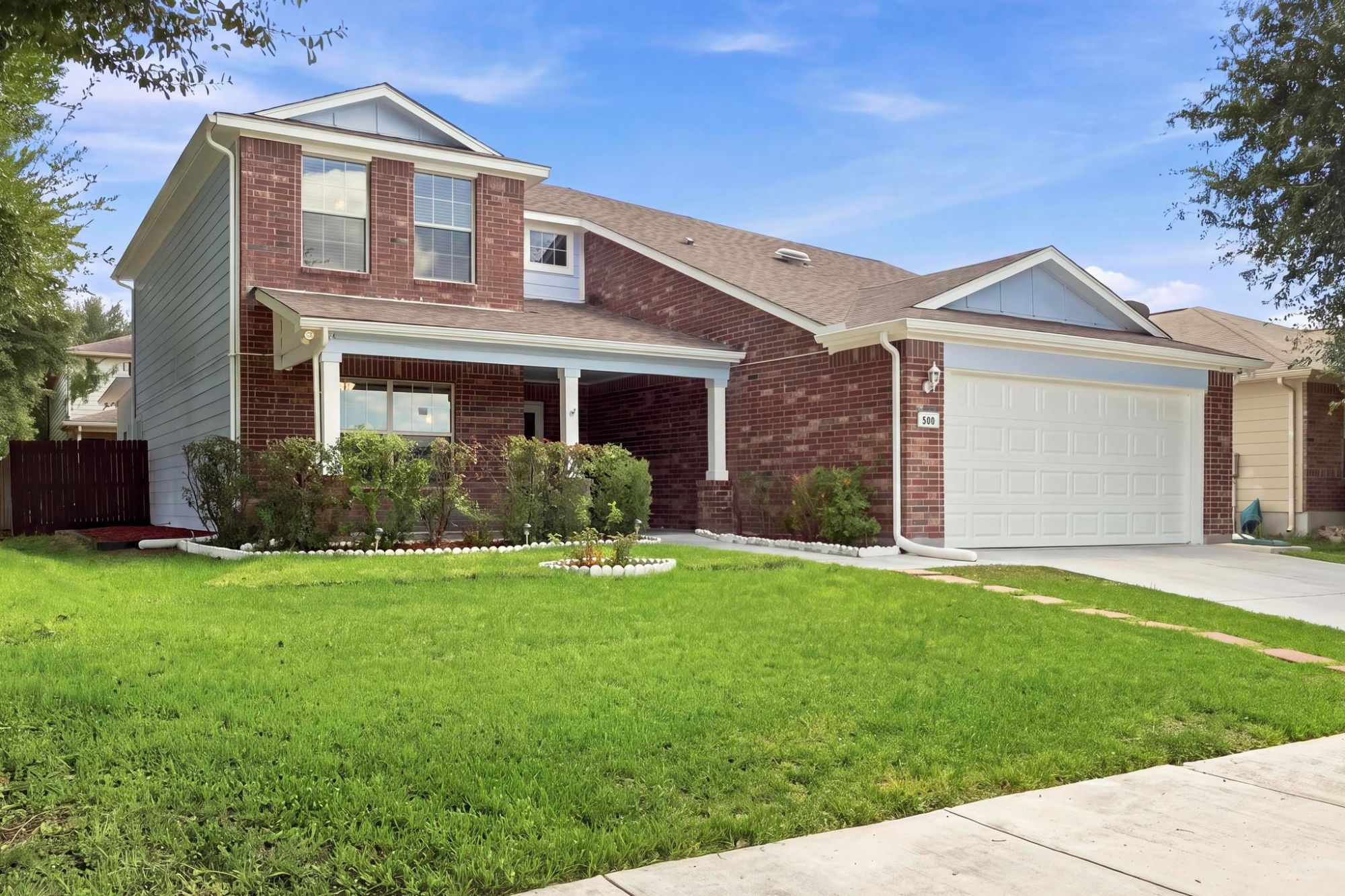
An established two-story brick home in Schertz. Photo: Sharp Realty Group.
Buyers headed to Schertz almost always frame the decision the same way, as new versus old, shiny versus settled, and then they pick a side before they have run a single number. That framing is where the money gets lost. The choice between established and new-construction neighborhoods in Schertz is real, but it rarely breaks the way the model home or the shaded street makes you feel it should.
I am Anthony Sharp, a U.S. Air Force veteran and REALTOR® with Sharp Realty Group here in Cibolo, and this stretch of the northeast San Antonio corridor is the market I work day in and day out. When a buyer tells me they want new construction or they want an established home, my first move is to slow that down. Before you split the Schertz homes for sale into a new pile and an old one, it helps to know what really separates them on price, timing, and what you take on the day you get the keys.
This is the side-by-side I walk clients through at the kitchen table. Not which category is better, because neither is, but which set of compromises fits your budget, your timeline, and the life you will live once the truck pulls away. Get that straight and the decision makes itself.
Key Takeaways
- Established Schertz neighborhoods usually win on mature lots, price per square foot, and negotiating room, since resale homes have been sitting longer in 2026.
- New-construction sections lean on builder rate buydowns, closing-cost credits, and warranties that can shrink the payment gap and protect early cash flow.
- Both paths share the same JBSA commute math and mostly the same school district, so the real trade-off is lot, timeline, and upkeep, not location.
- Line up commute, schools, taxes, and total monthly payment before you tour, and one focused house-hunting trip is usually enough to buy well.
What Sets Established and New-Construction Neighborhoods Apart in Schertz
Schertz is not one housing market but two, sitting a few streets apart, and the line between them shapes almost every part of your buy. Here is how the two sides of town tend to differ once you look past the listing photos:
The Established Side of Schertz
The older neighborhoods sit closer to the core, off Schertz Parkway and the FM 3009 corridor, in subdivisions that filled in through the 1990s and 2000s. Lots run larger on average, the trees have grown in enough to shade the yard, and the streets connect to schools, retail, and the interstate without a 10-minute drive out of a fresh development. These homes carry a lived-in floor plan rather than an open-concept template, and many have had a roof, an HVAC system, or a kitchen updated somewhere along the way. My own experience managing rental properties has taught me to respect a well-kept older home, because the bones are often excellent and the price reflects the age rather than the shine.
The New-Construction Side of Schertz
The newer homes are going up on the edges of the city, out toward The Crossvine and the master-planned sections that keep bringing phases online, with roughly a dozen active builders working the area at various points this year. You get current insulation standards, higher-efficiency heating and cooling, and layouts built around how families live now, along with the chance to pick finishes rather than inherit someone else's choices. The trade-off is a tighter lot, younger landscaping, and a section that is still under construction around you. Knowing which subdivisions are still being built out is the difference between a finished street and one that borders open dirt for another two years, and the City of Schertz maps every active residential and commercial project on its business and development page.
The Shared Ground Between Them
The good news for a relocating buyer is how much the two sides have in common. Both sit minutes from Randolph Air Force Base and quick access to Interstate 35 (I-35), both draw from the same retail and commuter base, and most addresses fall inside the same school district. That overlap means the choice between established and new is rarely about where you land in the corridor. It is about the lot under the house, the age of the systems inside it, and how the numbers pencil out for your timeline.
Comparing Price, Value, and Negotiating Room in 2026
A for-sale sign in the front yard of a home. Photo: Pexels.
That last point, how the numbers pencil out, is where the two categories separate the most, because they price and negotiate on opposite logic. The Schertz market in 2026 has more standing inventory and longer days on market than the frenzy of a few years back, and that shift plays out differently for resale and new. Here is how the money tends to line up:
Price Per Square Foot and Sticker
Established homes often win on price per square foot, since an older roof or an aging heating and cooling system is baked into the number. Broad third-party trackers have put Schertz values in the low-to-mid $300,000s this year, with the range swinging widely by source, month, and the age of the neighborhood, so treat any single figure as a snapshot rather than a promise. New-construction sticker prices tend to sit firmer, because builders would rather protect the headline number and hand you value through financing. That difference is why comparing two homes by list price alone can steer you wrong.
Negotiating Leverage on Resale
Resale homes have been taking longer to sell in Schertz, and that hands patient buyers real room to ask. A seller whose listing has sat for weeks is often open to a price adjustment, a repair credit, or help with closing costs in a way that was off the table in 2022. When homes are moving slowly, the buyer holds more of the leverage, and an established home a few streets over from a new model home can stretch your dollar further once you account for what you can negotiate off the price.
Builder Incentives on New Construction
On the new side, the value hides in the incentive package rather than the sticker. Many Texas builders in 2026 are covering rate buydowns and closing-cost credits instead of cutting the base price, and those dollars are simplest to capture on standing inventory a builder wants off the books. A temporary 2-1 buydown lowers your rate by 2% the first year and 1% the second before it steps up to the full note rate, so it helps most in your early years. The catch is that the richest incentives often require the builder's preferred lender, and the cost can be folded into the base price or the upgrades. You cannot judge the offer until you set it next to a quote from an outside lender.
Rates and incentive terms move constantly, so treat any figures here as a general guide and confirm the current numbers with a licensed lender before you decide.
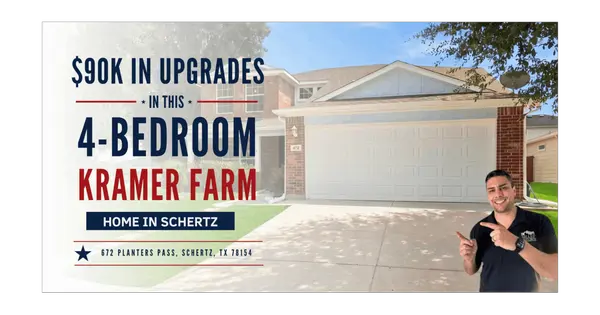
The clearest way to see what the established side buys you is to walk one where the work is already done. The Kramer Farm home at 672 Planters Pass in Schertz carries more than $90,000 in updates and a transferable foundation warranty, so a buyer gets the mature-neighborhood location without inheriting a project list.
Weighing Move-In Condition, Maintenance, and Warranties
Price tells you what a home costs to buy. What it costs to live in is a separate question, and it comes down to what you are responsible for after closing. This is the part that surprises first-time buyers, so it is worth understanding before you make an offer:
Systems and Early Upkeep
A new build typically runs low on maintenance the first few years, since the roof, the appliances, and the mechanical systems are all fresh. An established home varies with its history, which is why the inspection matters more on the resale side. That does not make an older home a liability. A resale where the previous owners already replaced the roof and the HVAC can hand you the same low-worry start as a new build, without the new-build sticker. The question is not new versus old. It is what has been maintained and what you will be budgeting for down the line.
Builder Warranties Versus Inspection Reports
Most production builders include a limited warranty covering workmanship and certain systems for a set period, with longer coverage on major structural items. That warranty is a real advantage on the new side, though coverage varies by builder, so read the document before you rely on it. On the established side, your protection comes from a thorough inspection and, in some cases, a transferable warranty that carries with the home. A foundation repair backed by a transferable lifetime warranty, for example, can turn a common resale worry into a documented non-issue.
Timeline to Move In
Timing is where a permanent change of station (PCS) buyer often makes the call. An established home is usually the faster close, which matters when your report date does not wait. A to-be-built new home can take several months, while a builder's standing inventory can close in weeks. I spent years in uniform, and I can tell you a report date does not care about a six-month build timeline, so the move-in window belongs in your comparison right next to the price.
Established vs. New Construction in Schertz at a Glance
With price, condition, and timing laid out, you can see why plenty of buyers ask me to settle the debate in one line. I never can, because the right answer swings on your priorities. It helps to see the trade-offs side by side:
| Factor | Established Neighborhood | New Construction |
|---|---|---|
| Price per square foot | Often lower | Often firmer |
| Negotiating room | More, on longer-sitting homes | Value via incentives, not price |
| Financing perks | Seller concessions, case by case | Builder buydowns and credits |
| Lot and trees | Larger, mature landscaping | Tighter, younger landscaping |
| Move-in condition | Depends on age and upkeep | New systems, builder warranty |
| Timeline to close | Usually faster | Ready now or built to order |
This table is a general guide, not a rule for every address. Two homes in the same category can land on opposite sides of a trade-off, so run your specific numbers before you decide.
When an Established Neighborhood Fits
An established Schertz neighborhood tends to fit when you want mature trees and a larger lot, when price per square foot is your priority, or when you value negotiating leverage in a market where homes are sitting longer. Buyers comfortable budgeting for an older roof or heating and cooling system down the line often find resale stretches the dollar the furthest.
When New Construction Fits
New construction earns its place when you value a warranty and low early upkeep, when a builder incentive meaningfully cuts your payment, or when you want to choose your own finishes. Buyers who plan to stay long enough to ride out the first few years of a buydown and settle into the full rate can see the early savings work in their favor.
The square-footage math is where resale often pulls ahead, and the five-bedroom home at 3113 Cameron Riv in Schertz shows it plainly, with a brand-new HVAC system and no rear neighbors at a Fairway Ridge price per square foot new construction rarely matches.
Matching the Right Schertz Neighborhood to Your Situation

A family carrying moving boxes into a new home. Photo: Pexels.
The same factors land differently depending on who is buying and why. The category that wins depends less on the house than on the person standing in it. Here is how the decision usually breaks down across the buyers I work with in the corridor:
Fit for Military and PCS Buyers
All Joint Base San Antonio (JBSA) installations share one San Antonio military housing area, so your Basic Allowance for Housing (BAH) is the same whether you report to Randolph, Fort Sam Houston, or Lackland. Published 2026 BAH rates for JBSA run from around $1,359 per month for a junior enlisted member without dependents up to roughly $2,475 for a senior officer with dependents, down about 2.9% from 2025, so buyers leaning on BAH have slightly less room this year. For a service member using a U.S. Department of Veterans Affairs (VA) loan, a new build with a builder-paid buydown pairs well with the zero-down structure, while an established home with room to negotiate can keep the full payment at or under the allowance. Both listings I mentioned above accept VA financing, which keeps the choice open on either side of town.
Fit for Growing Families
Families usually weigh lot size, floor plan, and schools over everything else. Most of Schertz falls within Schertz-Cibolo-Universal City Independent School District (SCUC ISD), which held an 81 and a B rating in the Texas Education Agency (TEA) preliminary 2026 accountability results, with Steele High School earning an A. Some addresses on the newer edges of town feed other districts, so an established home and a new build a few miles apart can zone to different campuses. Attendance boundaries also shift as the area grows, which makes confirming the zoned school for a specific address more useful than any districtwide summary.
Fit for Investors and Long-Term Owners
As someone who self-manages rentals, I look at the two categories differently when the goal is holding rather than living. A new build's low early maintenance and warranty can protect cash flow in the first years, which matters when you are the one fielding the repair calls. An established home in a proven neighborhood can offer a lower entry price and a rental history for the street. The flip side on the new side is property taxes, which in Texas are reassessed and can climb as a community fills in, so budget for the full tax picture rather than a builder's first-year estimate. Talk with a tax professional about your specific situation before you count on any particular return.
Fit for a Compressed Timeline
Most corridor buyers are making this call from another state with the clock running, and that pressure is real. The trick is to settle the fixed pieces first, the commute you can live with, the schools you want, the tax load you can carry, and the payment that fits. Once those are locked, the established-versus-new question narrows to the two or three homes that truly qualify, and you decide among the ones you can walk rather than the whole city.
Choosing Your Schertz Neighborhood With Confidence
The new-versus-old instinct you walked in with should feel less useful now, and that is the point. You know the established side tends to win on lot, price per square foot, and negotiating room, that new construction answers with buydowns, warranties, and modern efficiency, and that the commute and schools mostly hold steady across both. The question was never new or old. It is which set of trade-offs fits your budget, your timeline, and the life you will live once the boxes are unpacked.
That is the position I want every buyer in this corridor to reach before they write an offer. Line up the payment, the lot, and how long you plan to stay, hold the numbers side by side, and move at the pace that fits your orders rather than a sales office's quarter-end. Whichever side of Schertz turns out to be yours, the choice gets clear once the trade-offs are on the table instead of in your gut.
Ready to Compare Your Schertz Options?
I am Anthony Sharp with Sharp Realty Group, a U.S. Air Force veteran and military relocation specialist who helps buyers and military families weigh established neighborhoods against new construction across Schertz and the JBSA corridor. Whether you want a second set of eyes on a builder's incentive sheet or a resale home's inspection, let's talk.
Call or text: 210-997-0763
Schedule a time: book a consultation
Email: anthony@sharprealtygrouptx.com
Office: 213 Terramar, Cibolo, TX 78108
Frequently Asked Questions (FAQs)
Is new construction more expensive than an established home in Schertz?
On sticker price, new homes often carry a firmer number, while established homes tend to price lower per square foot because their age is built into the number. Builder incentives can narrow the gap once you factor in a rate buydown and closing-cost help, and resale homes usually offer more room to negotiate the price itself. The honest comparison is total monthly payment and cash to close, not the list price alone.
Do established and new-construction neighborhoods share the same schools?
Most Schertz addresses fall within SCUC ISD, but some sections on the newer edges of town feed other districts, so an established home and a new build a few miles apart can zone to different campuses. Attendance boundaries also shift as the area grows. Confirm the exact zoned schools for any specific address before you write an offer rather than assuming from the neighborhood name.
Which is faster to close for a PCS move?
An established home is usually the faster close, which helps when your report date is fixed. A build-to-order new home can take several months, though a builder's standing inventory can close in weeks. For a PCS with a firm date, either a resale home or a quick move-in new build removes the timing risk, while a to-be-built plan can add pressure you do not need.
Are builder incentives worth more than a lower resale price?
Sometimes, and it depends on the offer. A permanent buydown or a strong closing-cost credit can outweigh a modest price cut, especially if you plan to stay in the home for years. A temporary buydown only lowers your rate for the first year or two before stepping up. Ask for the payment at the full note rate, check whether the incentive requires the builder's lender, and set it next to an outside quote before you decide.
Can I use a VA loan on either type of home in Schertz?
Generally yes. Many Schertz builders work with VA financing, and established homes are widely VA-eligible as long as they meet the appraisal and property requirements. On a new build, confirm early that the builder accepts your VA loan without pushing you off the incentive to an in-house lender. A lender who closes VA files regularly is worth the call on either side of town.
Do older Schertz homes cost more to maintain than new builds?
Not always. A new build usually runs low on maintenance the first few years, but an established home where the previous owners already replaced the roof and the HVAC can offer a similar low-worry start without the new-build price. The variable is upkeep history, not age alone, which is why a thorough inspection carries more weight on the resale side. Budget for the systems nearing the end of their life and you remove most of the surprise.
* * *
Sharp Realty Group is brokered by Real Broker LLC. Anthony Sharp is a licensed Texas Real Estate Agent, MRP-certified, and a U.S. Air Force veteran. BAH and market data are estimates, so verify current figures at defensetravel.dod.mil. This article is general information only and does not consider your individual financial, tax, or legal circumstances. Market data, mortgage rates, builder incentives, and program terms change and are provided as a general guide, not a guarantee. Nothing here guarantees financing, approval, appreciation, or resale value. Before making a decision, speak with a qualified professional such as a REALTOR®, a licensed lender, or an attorney about your specific situation.
Categories
- All Blogs (254)
- BAH (3)
- For Home Buyers (174)
- For Home Sellers (85)
- For Investors (41)
- For Military Service Members (170)
- For Renters (9)
- JBSA (6)
- Local Events (12)
- Local Real Estate News (38)
- Market Updates (40)
- Military Relocation (36)
- Neighborhood Tours (55)
- PCS Move (103)
- Property Tours (4)
- VA Loans (10)
Recent Posts