
FM 1103 Expansion and Corridor Home Value in 2026

Suburban home for sale near the FM 1103 corridor in Cibolo Texas. Photo: Pexels.
Does the FM 1103 expansion help your home value or hurt it? Sellers along the road worry the orange barrels are scaring off buyers, while buyers wonder if they should hold off until the work is done. Both are half right. The FM 1103 expansion cuts two ways for home value in 2026, and where a house sits on the road and on the timeline decides which way it cuts.
I am Anthony Sharp, a U.S. Air Force veteran and REALTOR® with Sharp Realty Group, and I have lived and worked this corridor out of Cibolo for years. I also own and self-manage rentals across these same ZIP codes, so I know the construction from the resident and landlord side, not just as an agent. Walk the numbers on a well-kept home near the work and you can see buyer interest and pricing are holding steady.
In this blog, you will see how to tell the short-term construction headache from the long-term value story, what the project actually builds, and how to weigh a specific address whether you are buying, selling, or holding a rental along the road.
Key Takeaways
- The FM 1103 expansion widens the road from two lanes to four with a center turn lane, sidewalks, and bike lanes, which usually helps corridor access over time.
- Active construction can slow sales and soften offers near the work zone in the short term, so timing matters if you are selling now.
- Cibolo values sat around the high $340,000s in mid-2026 and held roughly flat, tracking the wider corridor rather than spiking on the road news.
- Buyers and investors can often use the construction window as leverage, since a finished four-lane road may read differently than a torn-up one.
What the FM 1103 Expansion Actually Builds in 2026
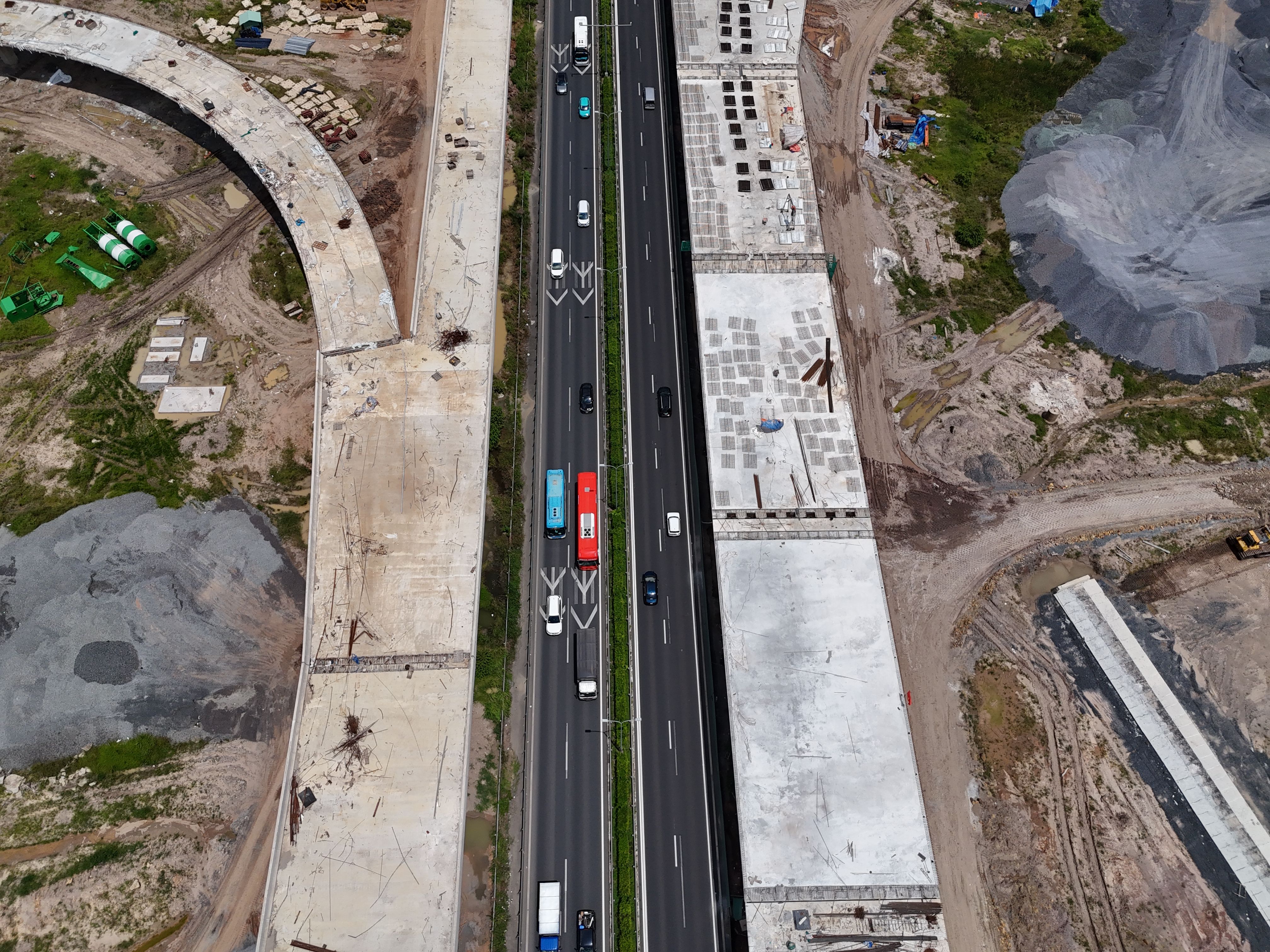
Road construction and traffic along a Cibolo Schertz corridor roadway in Texas. Photo: Pexels.
Before you can judge what the road does to home value, you need to know what is being built, what it runs, and why now. The project is bigger and longer than most residents assume:
The Scope of the Project
The Texas Department of Transportation (TxDOT) is widening FM 1103 from Interstate 35 (I-35) to Rodeo Way, through both Comal and Guadalupe counties. The work takes the roadway from two lanes to four, adds a raised median or continuous center turn lane, and builds six-foot sidewalks and five-foot bike lanes in each direction. If you want the full scope before you weigh a nearby home, the TxDOT FM 1103 project page lays out every piece. For a road carrying far more traffic than two lanes were built for, that is a real capacity jump.
The Cost and Timeline
The project runs about $39.29 million, funded by TxDOT alongside the cities of Cibolo and Schertz. Construction started in November 2022, and by early 2026 the work had moved into its third phase, with traffic shifted onto restriped lanes while crews built out the southbound side. Recent updates push the expected finish toward 2030, later than first estimated, so anyone buying or selling along the road should treat this as a multi-year condition, not a finish-this-summer nuisance. Public road timelines move, so confirm the current status before you plan around a date.
The Growth Behind the Widening
TxDOT did not widen this road on a whim. Cibolo reached about 40,282 residents in 2026 and has been growing near 3% a year, and Schertz has filled in alongside it. FM 1103 runs past neighborhoods, retail, and Byron P. Steele II High School, so the two-lane version had become a daily pinch point. When a buyer frets over the mess, I remind them the road is being widened because the area is winning, not losing. That distinction matters once you think past the ribbon-cutting.
How Road Construction Affects Corridor Home Value
A road project rarely moves value in one clean direction. It tends to hurt in the short run and help in the long run, and the size of each effect depends on the house:
Short-Term Pressure During Active Work
While the barrels are up, buyers factor the hassle into what they will pay. Homes with a driveway that empties onto the work zone, or that sit closest to the noise and dust, can take longer to sell and may draw lower offers than comparable homes a few streets off the road. I have watched buyers walk from a strong house over the daily construction commute. If you are selling near the active stretch, that pressure is real and worth pricing for honestly rather than fighting.
Long-Term Lift From Better Access
Once a road opens up, the math can flip. A four-lane corridor with turn lanes, sidewalks, and bike lanes moves traffic better, feels safer to families, and connects homes to retail and I-35 more smoothly. Access and walkability are the kinds of things buyers pay for, though no road project guarantees a gain, and the effect varies by how close and how exposed a home is. The families I work with tend to value a finished, moving road far more than they penalize a torn-up one, which is why I look past the current phase when I counsel long-term owners.
Frontage-Driven Value Differences
Not every home near FM 1103 wears the road the same way. A house fronting a widened four-lane road, with more traffic and less buffer, is a different product than one tucked into a subdivision a quarter mile off it that simply enjoys the easier drive out. When I price a corridor home, I weigh setback, sound, and whether the lot gains convenience without inheriting the noise. Two homes at the same square footage can deserve different numbers based purely on that relationship to the road.
What Corridor Prices Are Doing in Cibolo and Schertz
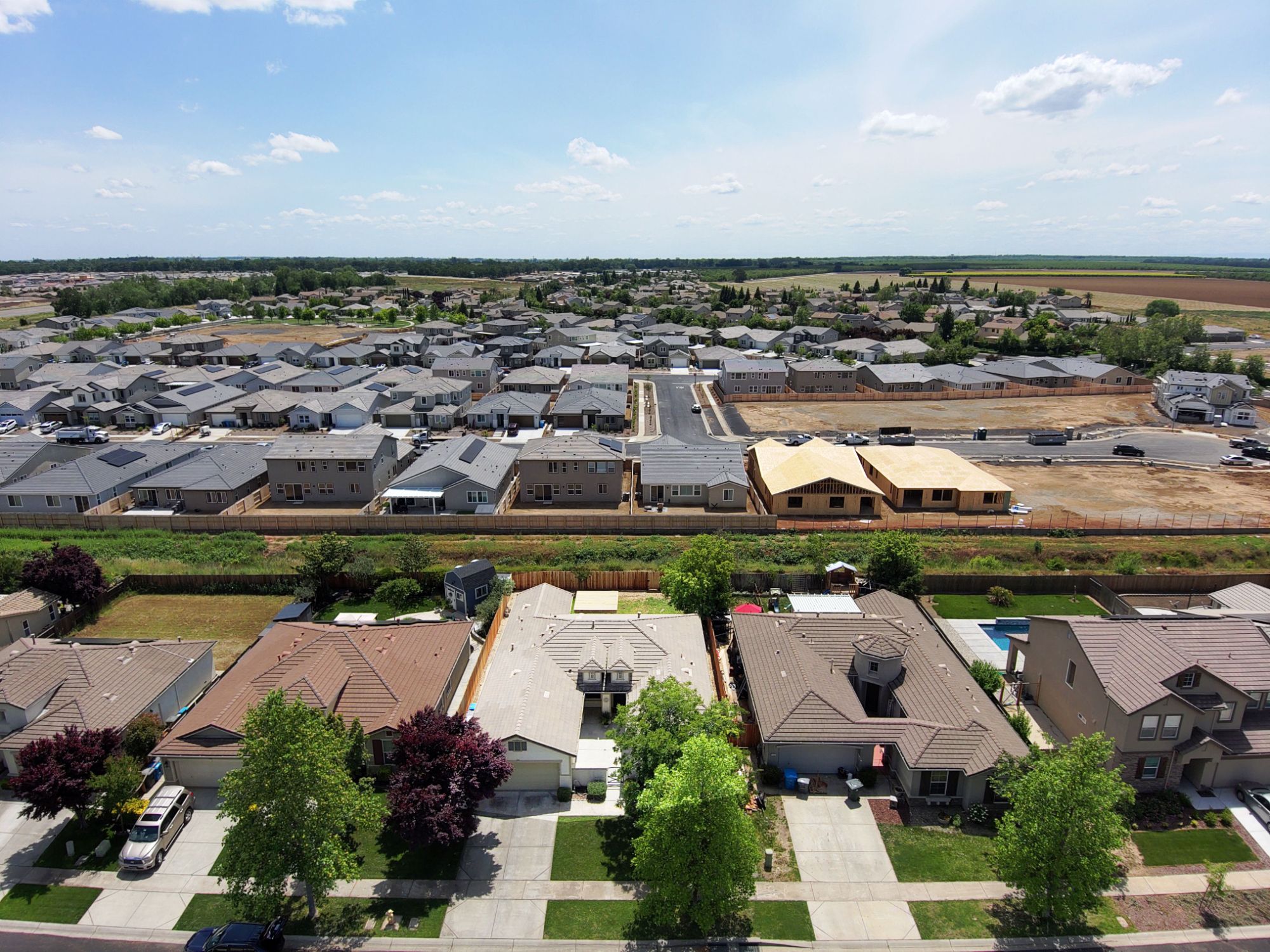
Newer suburban neighborhood with homes for sale in the Cibolo Schertz Texas corridor. Photo: Pexels.
The road story only matters against what corridor homes are actually doing, and 2026 looks nothing like the frenzy of a few years back:
Recent Cibolo and Schertz Pricing
Cibolo's median sale price sat near $349,995 in mid-2026, roughly flat year over year, with homes averaging around 140 days on the market. Schertz has tracked a similar band. Across the wider metro, corridor suburbs like these have moved with the citywide average in the low single digits, so the road news has not sent values spiking on its own. Before you commit, it helps to see how Schertz and Cibolo compare on price and inventory. Figures shift by source and month, so treat any single number as a snapshot, not a promise.
A Balanced, Buyer-Friendlier Market
Inventory across the San Antonio metro has climbed, homes are taking longer to sell, and sellers are offering credits and rate buydowns that were off the table in 2022. The Freddie Mac 30-year fixed averaged 6.71% as of September 3, 2026, which keeps monthly payments high enough to temper demand. For a buyer, that means more time, more options, and more room to negotiate on a corridor home, construction or not. Rates change weekly, so confirm the current figure with your lender before you budget around it.
The Road's Place in the Bigger Picture
Set the construction against that market and FM 1103 becomes one factor among several, not the whole story. Rates, inventory, school zoning, and the age of a neighborhood all move value more than a road phase does in any given month. I tell corridor clients to size the road correctly: a real consideration on the closest homes, a mild one a few streets off, and a long-term positive for the area once it opens.
Weighing an FM 1103 Home as a Buyer, Seller, or Investor
The same road reads differently depending on which side of the deal you are on and how long you plan to hold. Here is the frame I use with each type of client:
| Your Position | What the Construction Means | How to Play It |
|---|---|---|
| Buyer | Short-term hassle, long-term access | Use the mess as leverage on price and terms |
| Seller | Softer offers near the active zone | Price honestly and market the finished vision |
| Investor | Entry now, better access later | Buy for the hold, not the current phase |
Buying Near the Work Zone
A buyer who plans to stay through the construction and past it is often in the strongest spot. You may negotiate on a home a shorter-term buyer would skip, then own it as the road finishes into something better. Drive the route at your real commute time, sit in front of the house on a weekday afternoon, and decide whether the current phase is a dealbreaker or a discount. For many families it is the second.
Selling Through the Construction
Selling near the active work is a pricing and presentation problem, not a lost cause. I coach sellers to acknowledge the road, price to the closest comparable sales, and point buyers to what the finished corridor delivers. Clean staging, honest disclosure, and a number that respects the construction usually beat an aspirational list price that sits and goes stale. In a slower market, a stale listing costs you more than an honest one.
Holding a Corridor Rental
As someone who self-manages rentals here, I look at FM 1103 through a hold lens. Tenant demand in this corridor recycles with every Joint Base San Antonio (JBSA) move, and renters tend to weigh commute and price over a temporary road project more than resale buyers do. If the numbers work now and the access improves later, a corridor rental can pencil out well, though you should budget for maintenance and vacancy and talk with a tax professional before you count on any particular return.
Making a Clear Call on Your FM 1103 Home
The barrels on FM 1103 feel like a warning sign when you are stuck behind them, but you can read them correctly now. You know the project widens a road the area outgrew, that the short-term pain and the long-term access point in different directions, and that a specific address matters far more than the general worry. That is where I want every corridor buyer and seller to stand before they sign anything.
Whether you are timing a purchase to use the construction as leverage, pricing a sale through the mess, or holding a rental for the finished corridor, the call gets clear once you match the road to the house and to how long you plan to stay. As a military relocation specialist who lives and invests along this same road, I would rather help you weigh one real address than guess from the headlines. Drive it, look at the closest comparable sales, and move at the pace that fits your life.
Ready to Weigh an FM 1103 Home?
I am Anthony Sharp with Sharp Realty Group, a U.S. Air Force veteran who helps buyers, sellers, and investors read the corridor around FM 1103 and the wider JBSA area with clear numbers. If you want a second set of eyes on a specific address near the construction, let's talk.
Book a 60-minute seller consultation
Email: anthony@sharprealtygrouptx.com
Office: 213 Terramar, Cibolo, TX 78108
Frequently Asked Questions (FAQs)
Will the FM 1103 expansion raise my home value in Cibolo?
It might over the long run, though nobody can promise a specific gain. A finished four-lane road with turn lanes, sidewalks, and bike lanes usually improves access and walkability, which buyers tend to value. During active construction, homes closest to the work can see softer demand. The effect depends heavily on how close and how exposed your home is to the road.
When will the FM 1103 project be finished?
Construction began in November 2022, and recent updates push the expected finish toward 2030, later than the original estimate of late 2025 or early 2026. As of early 2026 the project had moved into its third phase. Public road timelines shift, so check the current TxDOT status before you plan around a firm date.
Should I wait to buy near FM 1103 until construction ends?
Not necessarily. With the finish now stretching toward 2030, waiting could mean years on the sidelines while rates and prices move. Many buyers use the current construction as leverage on a home they plan to hold well past the ribbon-cutting. Drive your real commute, look at the home's distance from the work, and decide on your own timeline.
Is it harder to sell a home near the FM 1103 work zone?
It can be, especially for homes right on the active stretch, since buyers factor the hassle into their offers. It is a pricing and presentation challenge rather than a lost cause. Pricing to the closest comparable sales, disclosing honestly, and pointing buyers to the finished corridor usually beats an aspirational list price that sits and goes stale in a slower market.
Does the FM 1103 expansion help the commute to Randolph?
Once complete, the wider road with turn lanes should move corridor traffic more smoothly, which can help daily runs toward Randolph Air Force Base (AFB) and I-35 from many Cibolo and Schertz neighborhoods. During construction, expect delays and give yourself extra time. For a service member reporting to JBSA, driving the real route at your real report time before you buy is the smart move.
Are homes a few streets off FM 1103 affected the same way?
Usually not. A home tucked into a subdivision off the road often gains the easier access without inheriting the noise, dust, and traffic a home fronting the four-lane road carries. That difference in setback and exposure is one of the biggest factors in how I price a corridor home, so two houses of the same size near FM 1103 can deserve different numbers.
* * *
Disclaimer: This article is general information only and does not consider your individual financial, tax, or legal circumstances. Market data, mortgage rates, road project timelines, and program terms change and are provided as a general guide, not a guarantee. Nothing here guarantees financing, approval, appreciation, or resale value. Before making a decision, speak with a qualified professional such as a REALTOR®, a licensed lender, or an attorney about your specific situation.
Categories
- All Blogs (278)
- BAH (4)
- For Home Buyers (194)
- For Home Sellers (91)
- For Investors (42)
- For Military Service Members (185)
- For Renters (10)
- JBSA (7)
- Local Events (12)
- Local Real Estate News (40)
- Market Updates (42)
- Military Relocation (42)
- Neighborhood Tours (58)
- PCS Move (109)
- Property Tours (7)
- VA Loans (15)
Recent Posts