
Military Clause in Texas Leases: San Antonio Guide 2026
Key Takeaways
- Under current law, a military clause lets a service member or dependent end a Texas residential lease early after PCS orders or deployment orders of 90 days or more.
- For a monthly lease, the end date usually falls 30 days after the next rent due date following notice and orders, so delivery timing matters.
- Current rules bar landlords from charging an early termination fee, though prorated rent, earlier unpaid balances, and excess wear charges can still apply.
- Standard Texas purchase contracts currently carry no military clause, so buyers rely on the option period, financing addendum, and attorney-drafted terms.

Unloading boxes on moving day. Photo: Pexels.
Your orders land with seven months left on the lease, and the landlord's reply mentions a reletting fee and rent through spring. Before you pay or argue, know that a military clause in Texas, backed by federal and state law, may let you end that lease early on a set timeline, with no early termination fee.
I am Anthony Sharp, a U.S. Air Force veteran and REALTOR® with Sharp Realty Group in Cibolo, and I work with military families across San Antonio, Schertz, and the rest of the Joint Base San Antonio (JBSA) corridor. Families sorting through JBSA off-base housing often weigh rent and commute first, yet a lease's early termination terms can matter just as much once the next set of orders arrives.
The protection itself is strong, but small details trip people up. A notice delivered a few days late, a lease missing one required sentence, or a purchase contract signed with no exit for new orders can each change what you owe. I also self-manage rental homes in the Cibolo-Schertz corridor, so I look at these rules from the landlord's side as well as the tenant's.
What a Military Clause in Texas Covers
A military clause is the part of a lease that lets a service member end it early because of military orders. Knowing where that right comes from shows how far it reaches and how much a lease can change it:
Federal Protection Under the Servicemembers Civil Relief Act
The Servicemembers Civil Relief Act (SCRA) sets the national floor. A renter may end a residential lease signed before entering military service, or one signed while serving and followed by permanent change of station (PCS) orders or orders to deploy for 90 days or more. The renter gives written notice along with a copy of the orders, and the landlord cannot add an early termination fee.
The law also covers a lease signed on new orders when a stop movement order of 30 days or more keeps the family from moving in. Congress updates the SCRA from time to time, so check the current version before relying on any one provision.
State Protection Under the Texas Property Code
Texas adds a second layer. Under Texas Property Code Section 92.017, a tenant who is a service member or a dependent of one can vacate early and stop owing future rent when the same triggers happen after the lease is signed.
A tenant cannot sign away this right in the lease. The one exception is a separate written waiver for a move into base housing or other housing within 30 miles, and even that waiver falls away when the family moves into a home owned or occupied by relatives, or moves because military service cut household income by 10% or more. The legislature can amend these rules in any session, so confirm the current version before acting on it.
Added Protection Under Your Lease
Leases near military installations often include a military clause that repeats these rights, and some go further with protections of their own. A lease can give you more than the law requires, but outside that narrow waiver, it cannot take away your right to leave on qualifying orders.
Statutes, lease forms, and each landlord's terms can change, so treat this overview as a starting point and confirm what applies to you with your installation's legal assistance office or a Texas attorney.
Who a Texas Military Clause Protects and Leaves Out
Coverage turns on who signed the lease, when the orders arrived, and what those orders say:
Service Members With PCS or Deployment Orders
Active-duty members who sign a lease and later receive PCS orders, or orders to deploy with a unit for 90 days or more, sit at the center of both laws, and federal law also covers an individual deployment of that length in support of a military operation. The federal rule sets no minimum distance for a PCS, though a landlord can ask a court to adjust the relief before the termination date. Guard and Reserve members who sign a lease and then enter active service may also qualify, depending on the type and length of their orders. Whether orders qualify can depend on their wording and how a court reads them, so have your legal assistance office review anything unclear.
Service Members With Separation or Retirement Orders
Under the SCRA, separation and retirement count as a PCS for lease purposes, so final orders can open the same door as a reassignment. The Texas statute is silent on this point, but the federal rule still applies here. A family leaving the service from a rental in Universal City or Converse would deliver written notice and a copy of the separation or retirement orders, just like any other PCS. Congress has changed these definitions before and could again, so confirm the current rule before you give notice.
Spouses and Dependents on the Lease
A service member's lawful termination also ends the obligations of any dependent on the same lease, and Texas extends its protection to tenants who are dependents of a service member. Federal law adds two more options. A spouse or dependent may end the lease within one year after a service member dies in military service, and a lease may also be ended within one year of a catastrophic injury or illness suffered in service. These options depend on current law and on who signed the lease, so check the details with your legal assistance office.
Renters Outside the Protection
The protection has limits, and these situations generally fall outside it.
- Orders received before you signed the lease, since both laws look for orders that arrive afterward.
- Temporary duty, training, or deployments shorter than 90 days.
- A voluntary move, such as buying a home across town before the lease ends.
- A civilian roommate who is not your dependent, since that person may stay liable under the lease.
- A move into base housing or other housing within 30 miles after you signed a valid Texas waiver.
Courts can read these limits differently, so let a legal assistance attorney look at any gray-area case before you act.
How to Use a Military Clause to Break a Lease in San Antonio

Downtown San Antonio at sunset. Photo: Pexels.
Using the clause well starts long before the moving truck is booked, and the order of steps matters:
Reading Your Lease Before Orders Arrive
Before you map out a San Antonio PCS housing timeline and sign anything, find out what the lease says about leaving early. Look for the early termination paragraph, the address or email where notices go, and anything labeled a waiver. Texas lets a lease tie your deposit refund to advance notice of move-out only when that requirement is underlined or in conspicuous bold, so check for that too. Lease terms differ from one landlord to the next, and state deposit rules may be revised, so read your own copy closely.
Building Your Notice Packet
Both laws require written notice plus a copy of the orders, and the notice is not complete until the landlord has both. A thorough packet usually includes these items.
- A signed, dated letter stating that you are ending the lease under the SCRA and Texas Property Code Section 92.017.
- A copy of your PCS or deployment orders, or a letter from your commanding officer when formal orders are delayed.
- The property address and the name of every tenant on the lease.
- Your forwarding address for the security deposit refund.
- A requested date for the move-out inspection.
- Proof of delivery, such as a certified mail receipt, a courier record, or a saved email sent to the address your landlord designated.
Federal law currently allows delivery by hand, private carrier, certified mail with return receipt, or an electronic method your landlord designated. Those options are set by Congress and may be updated, and landlords can treat delivery questions differently, so use this list as a general guide.
Timing the Notice Around Your Rent Due Date
For a monthly lease, both laws currently make the termination effective 30 days after the first rent due date that follows delivery of your notice. A packet delivered a few days before rent comes due can end the lease a full month sooner than one delivered a few days after. For a lease with rent due on the first of the month, the dates might fall this way.
| Notice and Orders Delivered | Next Rent Due Date | Termination Effective |
|---|---|---|
| October 15, 2026 | November 1, 2026 | December 1, 2026 |
| October 28, 2026 | November 1, 2026 | December 1, 2026 |
| November 3, 2026 | December 1, 2026 | December 31, 2026 |
These dates are an illustration only. Your effective date depends on your lease terms, your rent schedule, and when the landlord receives both documents, so confirm it with your landlord in writing or with a legal assistance attorney. Under current law, rent for the period before that date is prorated, and any rent you prepaid for the period after it must be refunded within 30 days.
Handling the Move-Out and Security Deposit
Schedule a walk-through, photograph each room, and return the keys in a way you can document. Texas generally requires a landlord to refund the deposit, or send an itemized list of deductions, within 30 days after you move out, once your written forwarding address is on file. Deductions can cover damage beyond normal wear and tear, but never normal wear itself.
Federal law also makes it a misdemeanor to hold a service member's deposit or belongings to cover rent claimed after a lawful termination. Move-out steps vary by lease, and state and federal deposit rules are subject to change, so read yours alongside the rules in effect when you move.
Getting Help When a Landlord Pushes Back
Start with a short, polite letter that cites both laws. When that does not settle it, the legal assistance office at your JBSA installation can review the lease and your notice, though eligibility and services vary by office. The U.S. Department of Justice has also taken action against landlords and property managers over improper early termination fees. Keep copies of everything, and avoid withholding rent on your own while a dispute is open.
What a Military Clause Means for San Antonio Landlords and Investors

Miniature house models and a set of keys. Photo: Pexels.
Owners who rent near JBSA should expect orders to cut some leases short, so the clause belongs in the business plan from the first showing:
The Required Statement in Every Texas Lease
Texas requires every residential lease to include a brief notice, close to the statute's wording, letting tenants know the law may allow an early exit in certain family violence situations or for a military deployment or transfer. Leaving it out does not stop a qualifying tenant from moving out, but it can release that tenant from delinquent rent owed on the termination date, which turns a small drafting gap into lost income. Lawmakers can revise this requirement, and an owner using an older or homemade lease should have a Texas attorney check it for this notice.
The Charges a Landlord Can and Cannot Collect
A lawful military termination comes without an early termination fee, a reletting charge, or rent for the months after the effective date. The landlord can still collect prorated rent through that date, balances that came due earlier, and reasonable charges for damage beyond normal wear and tear. Getting this wrong is costly in Texas, where a violation can bring actual damages, a civil penalty of one month's rent plus $500, and attorney's fees. These amounts are set by statute and may be adjusted by lawmakers, so check the current law before relying on them.
The Vacancy Plan Built Into the Numbers
It pays to plan each lease as though orders could end it early. Turnover shows up as a vacant month, cleaning, repairs, and marketing time, and the current market can stretch that last piece. The San Antonio Board of REALTORS® (SABOR) reported 4,642 active rental listings and an average monthly rent of $1,864 in June 2026, so renters have plenty of homes to compare when yours comes open. These items help keep a mid-lease move-out from upending the budget.
- A vacancy reserve, such as one month of rent for each year of the lease.
- Lease end dates that land in late spring or summer, when PCS moves tend to peak.
- A written process for receiving notices, including a designated email address.
- Move-in and move-out photos tied to a signed condition report.
- Rent comparables for the exact subdivision rather than the metro average.
- Written screening criteria applied the same way to every applicant.
Rental figures shift month to month and SABOR can revise its reports, so use these numbers as a general guide and run any return estimate past a tax professional.
The Long-Distance Setup for PCS Sellers Turned Landlords
Some service members who buy near JBSA keep the home as a rental when their own orders arrive, and that puts them on the landlord's side of the same clause. An owner managing from another duty station needs a lease that carries the required statement, a clear notice address, and a local contact or property manager who can handle a turnover on short notice. Before choosing between renting and selling, talk with a tax professional about how a rental changes your tax picture and with your lender about any occupancy terms on your loan. Tax rules and loan terms differ by situation and lender and shift over time, so get answers specific to you.
Military Clause Protection When You Buy a Home in Texas

A house with a for-sale sign on the lawn. Photo: Pexels.
Buyers often assume a military clause follows them into a purchase, and that assumption carries the most risk for families who buy soon after arriving:
Understanding the Gap in a Texas Purchase Contract
The Texas Real Estate Commission (TREC) contract forms used for most resale purchases do not currently include a military contingency. Once your negotiated protections expire, new orders alone usually do not let you walk away, and your earnest money could be at stake. The SCRA's lease rules do not reach purchase contracts, and its mortgage protections mainly cover loans taken out before entering service. Congress can amend these federal protections, so confirm what applies to you before you sign.
Using the Option Period and Financing Addendum
The tools that do exist are negotiated, not automatic. The termination option in the TREC contract gives you an unrestricted right to end the contract within the number of days you buy with an option fee, and the Third Party Financing Addendum can let you terminate when loan approval does not come through within its stated time. Buyers using a loan backed by the U.S. Department of Veterans Affairs (VA) should also allow for the VA appraisal when setting those deadlines. Appraisal timelines and loan requirements vary by lender and may shift with VA policy updates.
Orders that arrive inside those windows can be handled cleanly, so a longer option period may be worth requesting when a reassignment is possible. With SABOR's August 2026 report showing just under a six-month supply of homes and an average of about 82 days on the market, many sellers may be open to a request like that. Market conditions vary by neighborhood and shift month to month, and each seller decides for themselves. TREC updates its forms periodically, so review the current versions with your agent before you sign.
Adding Custom Terms Through an Attorney
Some buyers want a true military contingency, such as a right to terminate when orders change before closing. Current TREC rules do not let license holders, me included, write contract terms that change either side's rights, and that covers contingency clauses, so the wording has to come from you or a Texas real estate attorney. The seller also has to accept it, and an open-ended exit may weaken an offer on a well-priced home.
Timing a Purchase Around the Lease You Still Hold
A renter who finds a home mid-lease usually has three paths. You can match the closing date to the lease end, ask the landlord for a negotiated release, or, with written consent, bring in a replacement tenant, depending on what your lease allows. Making the buy-or-rent call at JBSA before you sign a lease can keep you out of that spot, since you can pick a lease length that ends near a realistic purchase window. These questions are worth settling before you sign a purchase contract.
- How many option days fit around my orders and report date?
- What deadline does the financing addendum set for loan approval?
- How much earnest money is at risk once the option period ends?
- Does my lease end before or after the target closing date?
- Will my landlord put a release or replacement tenant agreement in writing?
- Do I want an attorney to draft a military contingency?
Contract terms, lender timelines, and lease policies differ from one transaction to the next, so think of these questions as a checklist, not a script.
Using a Military Clause in Texas With Confidence
That landlord email about a reletting fee and rent through spring should read differently now. With orders in hand, a complete notice delivered at the right point in the rent cycle, and a clear sense of what can and cannot be charged, you know where your lease ends and what you owe before you leave. Working with a military relocation specialist who reads leases and purchase contracts with your orders in mind lets you carry that same clarity into the next home.
Landlords gain from the same knowledge, since a compliant lease and a realistic vacancy plan turn a sudden notice into a routine turnover. Whether you rent, own a rental, or plan to buy before your next set of orders, you can sign your next agreement knowing how it holds up when the military moves you.
Ready to Plan Your Next Lease or Purchase Around Your Orders?
I am Anthony Sharp with Sharp Realty Group, a U.S. Air Force veteran who helps military families, buyers, sellers, and investors across San Antonio, Schertz, Cibolo, Universal City, and the JBSA corridor plan moves around military orders. For a second set of eyes on a lease, a purchase timeline, or a rental you plan to keep, let's talk.
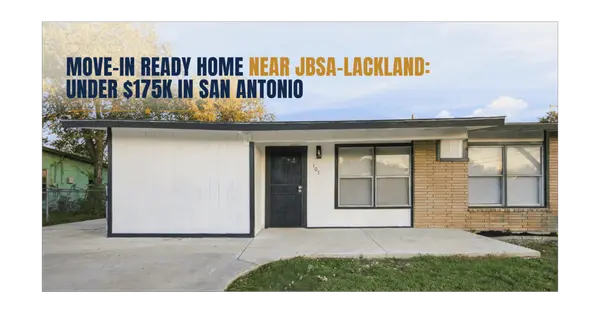
Before you tour 672 Planters Pass in Schertz or 3113 Cameron Riv in Schertz near JBSA-Randolph, or 103 Chadwick Dr in San Antonio near JBSA-Lackland, pin down the date your current lease can end. All three list VA financing as accepted, though final approval rests with your lender, and listing details may be updated.
Call or text: 210-997-0763
Schedule a time: book a consultation
Email: anthony@sharprealtygrouptx.com
Office: 213 Terramar, Cibolo, TX 78108
Frequently Asked Questions (FAQs)
Can you break a lease in Texas for military orders?
In most cases, yes. A service member or dependent who signs a lease and then receives PCS orders, or orders to deploy for 90 days or more, can end a residential lease early under the SCRA and Texas Property Code Section 92.017.
You deliver written notice and a copy of the orders, and the landlord cannot charge an early termination fee. Rent and charges owed before the termination date still apply. Both laws can be amended, so confirm the version in effect before you give notice.
How much notice do I need to break a lease for PCS orders in Texas?
The law sets the end date rather than a notice period. For a monthly lease, termination takes effect 30 days after the next rent due date that follows delivery of your notice and orders, which typically works out to about 30 to 60 days.
Delivering both documents just before rent comes due usually ends the lease soonest. Your lease terms, the actual delivery date, and the law in effect at the time control the exact result.
Does a military clause protect my spouse if I deploy?
Yes. A service member's lawful termination also ends the obligations of dependents on the same lease, and Texas extends its protection to tenants who are dependents of a service member. Federal law also lets a spouse or dependent end the lease within one year after a service member dies in military service. These rights come from federal and state law, and either can be updated, so check the current rules before acting.
A family that wants to stay in the home during a deployment can keep the lease, since the clause is an option rather than a requirement.
Can a landlord keep my security deposit when I use the military clause?
Only for lawful deductions. A landlord can deduct unpaid rent owed before the termination date and damage beyond normal wear and tear, but cannot keep the deposit as an early termination fee or to cover rent after the lease ends.
Texas generally requires a refund or an itemized list of deductions within 30 days after you move out, once your written forwarding address is on file. That deadline is set by state law and may be revised, so confirm it before you move out.
Do retirement or separation orders count under the military clause?
Under current federal law, they can. The SCRA treats separation or retirement as a permanent change of station for lease purposes, so final orders can qualify the same way a reassignment does.
The Texas statute does not address this directly, so confirm the details with your installation's legal assistance office before giving notice.
Do Texas landlords have to include a military clause in a lease?
Texas requires every residential lease to include a brief notice letting tenants know the law may allow an early exit in certain situations, including a military deployment or transfer. The underlying right applies whether or not the lease spells it out.
A landlord whose lease leaves out the statement can lose the right to collect delinquent rent owed when a qualifying tenant terminates. These requirements may be updated through new legislation, so owners using older or homemade leases should have them reviewed by a Texas attorney.
Is there a military clause when you buy a house in Texas?
Not automatically. Standard TREC contract forms, as written today, do not include one, so buyers rely on the option period, the financing addendum, and any attorney-drafted terms the seller accepts.
Sharp Realty Group works with military buyers on timing option periods and closing dates around report dates, and a Texas real estate attorney can draft a custom contingency when you want one. TREC revises its forms from time to time and lenders set their own rules, so review the current versions before you sign.
* * *
Disclaimer: This article is general information only and does not consider your individual financial, tax, or legal circumstances. Lease laws, SCRA provisions, Texas Property Code sections, contract forms, and market data change and are provided as a general guide, not a guarantee. Nothing here is legal advice, and nothing here guarantees financing, approval, appreciation, or resale value. Before making a decision, speak with a qualified professional such as your installation's legal assistance office, a Texas attorney, a licensed lender, or a REALTOR® about your specific situation.
Categories
- All Blogs (276)
- BAH (4)
- For Home Buyers (192)
- For Home Sellers (91)
- For Investors (42)
- For Military Service Members (184)
- For Renters (10)
- JBSA (7)
- Local Events (12)
- Local Real Estate News (40)
- Market Updates (42)
- Military Relocation (41)
- Neighborhood Tours (58)
- PCS Move (109)
- Property Tours (6)
- VA Loans (14)
Recent Posts