

Inventory Trends to Watch in Cibolo and Schertz in 2026
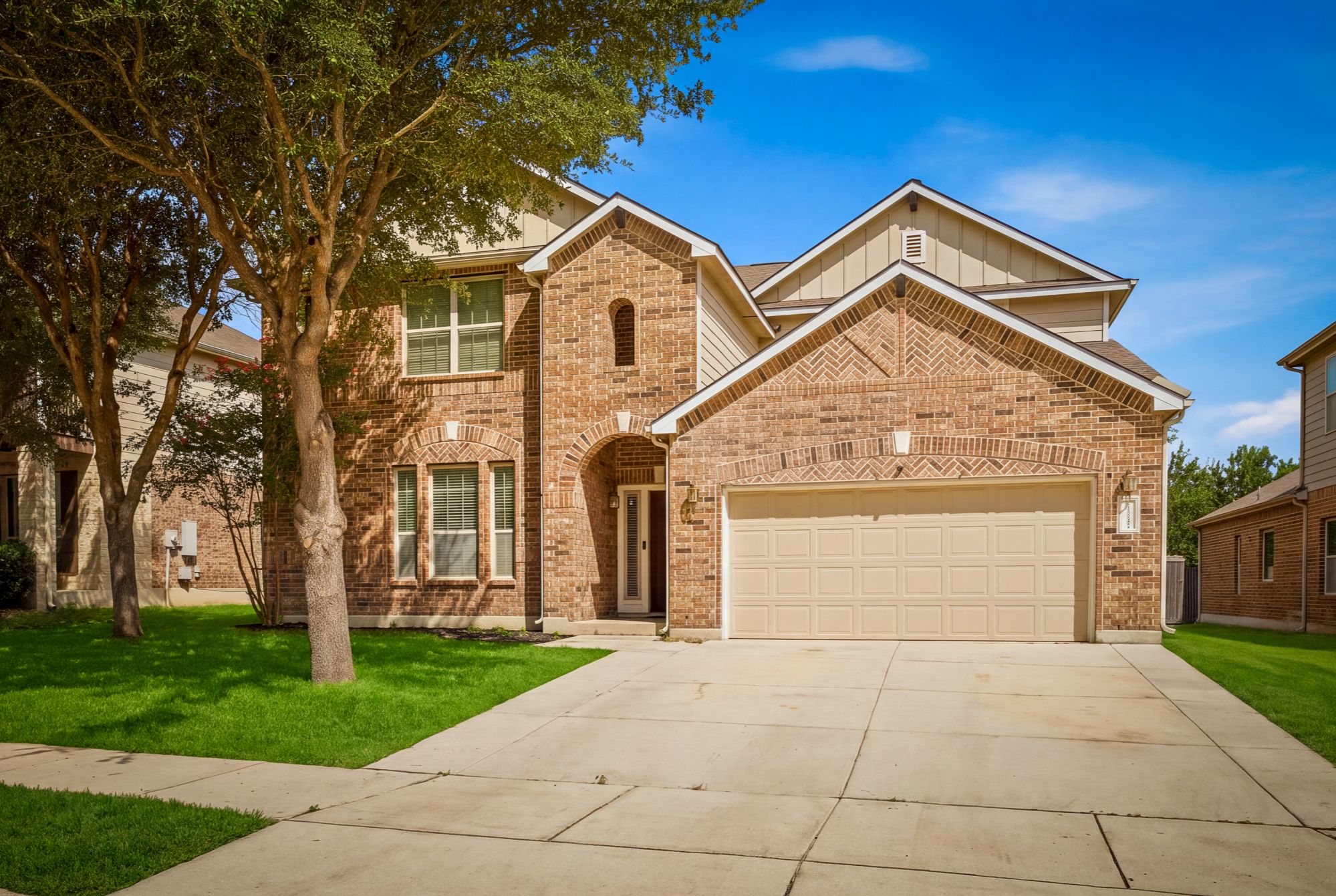
A Schertz home for sale in the Fairway Ridge section of the Cibolo-Schertz corridor. Photo: Sharp Realty Group.
Drive your own street in Cibolo or Schertz, count four for-sale signs where there used to be one, and it is easy to decide the market has turned against you as a seller or swung wide open as a buyer. Then the house on the corner goes under contract in five days and the one across from it sits untouched for a season, and the signs stop making sense. The inventory trends in Cibolo and Schertz are real, but what they mean for your move is not what a quick glance suggests.
I am Anthony Sharp, a U.S. Air Force veteran and REALTOR® with Sharp Realty Group here in Cibolo. I have lived in this corridor for more than six years, I serve on the Cibolo Planning and Zoning Commission, and I own and self-manage a portfolio of rental homes across these ZIP codes, so I watch supply move from the resident side, the investor side, and the agent side at once. Line up a well-priced Schertz home for sale next to what else is standing nearby, and the pattern behind those signs starts to show itself.
What follows is the read I give clients before they write an offer or sign a listing agreement. It covers where supply sits in 2026, how new construction is reshaping it, what the numbers mean for your leverage, and how to time a move whether you are buying, selling, or holding.
Key Takeaways
- San Antonio area inventory sat near 6.1 months in mid-2026, the most balanced supply the region has seen in years, which gives corridor buyers real room to negotiate.
- Well-priced homes in Cibolo and Schertz still move fast, while overpriced listings sit, so the metro headline hides what is happening on your street.
- New construction keeps adding supply here, and builder incentives can outweigh a sticker discount on nearby resale.
- Reading supply at the neighborhood and price-tier level, not the citywide average, is where buyers and sellers make sharper decisions.
Where Cibolo and Schertz Housing Supply Stands in 2026
The corridor in 2026 looks nothing like the bidding wars of a few years back, and that shift starts with how much is for sale. The supply story only makes sense once you read it at more than one level:
The Metro Backdrop
The San Antonio Board of REALTORS® (SABOR) reported active listings across the San Antonio and New Braunfels area rose 5% year over year to 17,409 homes in June 2026, with months of inventory at 6.13. Economists at the Texas Real Estate Research Center generally treat roughly six months of supply as a balanced market, so the region has landed near that line for the first time in years. That backdrop matters for Cibolo and Schertz because both cities pull from the same metro pool of buyers, lenders, and builders.
The Corridor Reality
Down at the corridor level, that balance shows up as more standing homes and longer decision windows than buyers had in 2022. Homes across the metro averaged 77 days on the market in June 2026, a small increase over the prior year, and the corridor has tracked that slower pace. On the ground it is a two-speed market. A clean, correctly priced home in a strong school zone still draws quick interest, while anything priced on last year's expectations lingers and eventually cuts. The extra supply has not erased demand here; it has rewarded preparation on both sides.
The Price Distribution
Supply is not spread evenly across price points, and that is the detail most headlines miss. SABOR data for June 2026 showed roughly 67% of area sales fell between $200,000 and $499,999, the band where most Cibolo and Schertz homes trade. When a price tier carries more competing listings, buyers in that tier gain leverage, and sellers have to price against real comparables rather than a wishful number. Knowing which tier your target home sits in tells you more about your negotiating room than any citywide average.
New Construction and Its Effect on Corridor Inventory
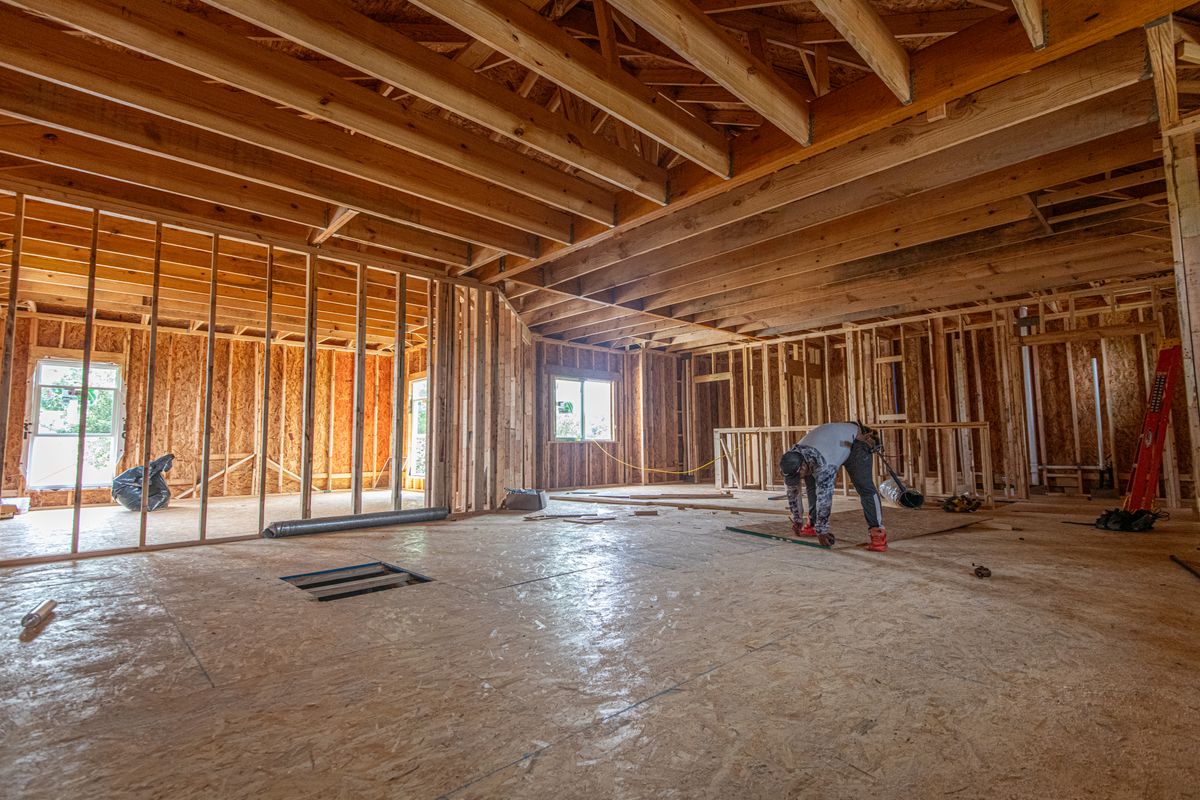 New construction keeps adding supply across the Cibolo and Schertz corridor. Photo: Pexels.
You cannot talk about corridor supply without the cranes and framing crews, because new construction is a permanent feature of the Cibolo and Schertz market, not a passing wave. How much it should sway your decision comes down to a few things:
The Steady Building Pipeline
Cibolo has grown to about 40,282 residents in 2026, up roughly 23% since the 2020 census, and the road work and new phases across town reflect that pace. Master-planned areas and newer subdivisions keep bringing lots online in both cities, which adds a stream of fresh supply that resale homes have to compete against. For a buyer, that steady pipeline is leverage. For a seller in an established neighborhood, it means your competition is not only the house down the block but the model home a mile away.
The Builder Incentive Advantage
Builders in 2026 tend to protect their sticker price and hand you value through financing instead. Rate buydowns, closing-cost credits, and design allowances are common on standing inventory a builder wants to move. That can make a new home's monthly payment competitive with an older one even when the list prices look similar. Before you assume new construction is the better deal, run the incentive against a nearby resale. A few points I always check with clients:
- Whether a rate buydown is temporary or permanent, and what the payment looks like at the full note rate.
- Whether the richest incentives require the builder's preferred lender and title company.
- Whether the base price quietly rose to fund the credit being offered.
- Whether a greenbelt or cul-de-sac lot carries a premium worth several thousand dollars.
- Whether a comparable resale a few streets over delivers more house per dollar once incentives net out.
Incentives shift by builder and by phase and can change quickly, so treat that list as a general guide and confirm current terms with the builder and a licensed lender before you commit.
The New and Resale Balance
Across the metro, the June 2026 recovery in sales leaned on resale homes rather than new builds, which tells me existing owners are finally listing again after years on the sidelines. In the corridor, that means you are often choosing between a brand-new home with a warranty and a builder incentive, and an established home on a larger, tree-shaded lot with room to negotiate the price itself. Neither is automatically the smarter buy. The right call depends on your timeline, how long you plan to stay, and whether you value a warranty or a mature lot more.
What Rising Inventory Means for Buyers and Sellers
More supply changes the leverage on both sides of the table, but not in the blunt way people assume. It does not hand buyers a discount on every home, and it does not doom sellers to a price cut. Here is how the shift plays out for each party in Cibolo and Schertz:
| Market Signal | What It Means for Buyers | What It Means for Sellers |
|---|---|---|
| More active listings | More choices and time to compare | More direct competition to stand out from |
| Longer days on market | Room to inspect and negotiate without panic | Sharp pricing from day one matters more |
| Homes near 94% of list price | Realistic concession and repair asks | Well-priced homes still sell close to list |
| Steady builder incentives | Financing perks to weigh against resale | New homes compete for the same buyer |
The Buyer Leverage
Buyers this year can slow down. With homes sitting longer and sellers selling for around 94% of original list price across the metro in June 2026, there is room to ask for repairs, a price adjustment, or help with closing costs on a home that has been on the market a while. The catch is that this leverage is uneven. On a fresh, well-priced listing in a sought-after zone, you still need to come in clean and ready. Get preapproved before you shop so you can move on the right home and negotiate hard on the ones that have gone stale.
The Seller Strategy
More inventory does not mean you should brace for a loss. It means pricing and presentation carry the day. I have watched a correctly priced, well-prepared home in this corridor draw strong interest in its first weekend while a nearly identical home priced 5% high sat for months and then chased the market down anyway. The homes that struggle are usually the ones that started too high. Price against live comparables, make the home show well, and be ready to consider reasonable concessions. A well-positioned listing can still perform even with more competition on the board.
The Investor Angle
More supply reads differently when you are buying to hold rather than to live. I self-manage rentals across these ZIP codes, and a slower market with more standing inventory tends to hand patient investors better entry pricing and real negotiating room on the purchase. The trade-off is the same new construction that helps you buy can cap your rent ceiling later, because a street absorbing a few hundred new doors gives future tenants more options. When I underwrite a corridor rental, I weigh the softer purchase price against the competing supply that will exist at lease-up, not just today. Military demand recycles through this corridor every permanent change of station season, which supports occupancy, but the numbers still have to pencil at a realistic rent. Before you run cap rate and cash flow on a corridor rental property near JBSA, it helps to see how the softer market and the new-build pipeline pull those numbers in opposite directions. Work them against live rent comparables, and talk with a tax professional before you count on any particular return.
The Rate Backdrop
Financing still shapes what any of this means for your monthly number. The Freddie Mac 30-year fixed-rate mortgage averaged 6.71% as of September 3, 2026, according to the Freddie Mac rate survey. Rates move weekly, and a builder or seller buydown can ease your early payments, so any figure here is directional. What matters for supply is the pattern. When rates hold steady and inventory climbs, buyers gain patience and sellers lose the urgency that used to drive quick over-asking offers. Confirm your own rate with a licensed lender before you build a budget around it.
Reading Corridor Inventory the Way I Do

Supply reads differently by neighborhood and price tier across Cibolo and Schertz. Photo: Pexels.
A metro report is a starting point, not an answer. What matters is the supply for the exact kind of home you want, in the exact zone you are targeting, and that takes a little digging. Here is the frame I use with clients before we tour or list:
Track Supply by Neighborhood and Tier
A citywide median blends a $280,000 starter home and a $650,000 build into one misleading figure. I look at how many homes are competing in your exact band, in your exact attendance zone, and how long they have been listed. Two similar addresses can carry sharply different leverage if one sits in a tier flooded with new-build competition and the other does not. That granular read is what turns a vague sense of a buyer's market into an actual offer strategy.
Verify the School Zone Before You Commit
Most of the corridor falls within Schertz-Cibolo-Universal City Independent School District (SCUC ISD), and that zoning is a major driver of demand and how fast homes move here. Attendance boundaries can shift as new subdivisions come online, and some newer east-side Cibolo sections and northern Schertz edges feed into other districts. Since school zone affects both resale speed and long-term value, confirm the exact zoned campus for any address rather than assuming from the neighborhood name. If you are still weighing one city against the other, the district lines and commute differences that separate Schertz and Cibolo for families are worth sorting out before you narrow the search to a zone.
Watch the Development Pipeline
Because I sit on the Cibolo Planning and Zoning Commission, I pay attention to what is platted and approved before it shows up as competing listings. A neighborhood with 200 new doors coming online has a different supply future than a built-out one, and that affects both a buyer's leverage and a seller's timing. The City of Cibolo publishes a current development map, and following that pipeline gives you a read on where supply is heading, not just where it sits today.
Factor Taxes Into the Real Cost
Supply and price are only part of the monthly picture. Texas trades no state income tax for higher property taxes, and your total bill combines city, county, school district, and any special-district levies, so two homes at the same price can carry different escrow numbers. As someone who protests my own appraisals most years, I tell buyers to budget the full payment and to check exemption options with the county appraisal district rather than lean on a builder's first-year estimate. Talk with a tax professional about your specific situation.
Moving Forward With a Clear Read on Corridor Supply
Those four signs on your street should read differently now. One home closing in five days while another sits all season is not a contradiction; it is the same balanced market rewarding the home that was priced and prepared for its tier. The corridor is more balanced than it has been in years, but balance is not the same as a blanket discount, and the buyers and sellers who win are the ones reading supply at the street and price-tier level instead of the metro headline.
Whether you are shopping Cibolo and Schertz with more room to negotiate, or listing into a market that rewards sharp pricing, you can move with a clear picture rather than a guess. Line up your financing, know your exact zone and tier, and watch the pipeline of what is coming. The same inventory that feels confusing from a distance becomes the thing working in your favor. As a military relocation specialist who lives and works this corridor, that is the read I want every client to have before they act.
Ready to Read Your Corridor Numbers Together?
I am Anthony Sharp with Sharp Realty Group, a U.S. Air Force veteran who helps buyers, sellers, and military families make sense of Cibolo and Schertz supply before they commit. If you want a second set of eyes on the inventory in your target zone or a straight read on where your home fits in this market, let's talk.
Call or text: 210-997-0763
Schedule a time: book a consultation
Email: anthony@sharprealtygrouptx.com
Office: 213 Terramar, Cibolo, TX 78108
Frequently Asked Questions (FAQs)
Is there more housing inventory in Cibolo and Schertz in 2026?
Yes. The San Antonio and New Braunfels area, which both cities sit within, reached about 6.13 months of inventory in June 2026 with active listings up 5% year over year, the most balanced supply the region has seen in years. In the corridor, that shows up as more standing homes and longer days on the market than buyers faced in 2022, though well-priced homes still move quickly.
Does more inventory mean home prices are dropping in the corridor?
Not exactly. Across the metro, median prices kept climbing into mid-2026 even as supply grew, and homes sold for around 94% of original list price. What rising inventory really changes is negotiating room and time, not an across-the-board discount. Overpriced homes cut to meet the market, while correctly priced ones hold value, so the effect depends heavily on the individual listing and its price tier.
Is 2026 a buyer's or seller's market in Cibolo and Schertz?
The corridor is close to balanced, which is why the answer swings by neighborhood and price point. Buyers have more choices and more time than they did a few years ago, especially on homes that have been listed a while. Sellers who price against live comparables and present the home well can still perform. The metro-wide label matters less than the supply in your exact zone and tier.
How does new construction affect resale homes in the corridor?
New construction adds a steady stream of competing supply, and builder incentives like rate buydowns and closing-cost credits can make a new home's monthly payment competitive with an older one. For sellers of established homes, that means a nearby builder's standing inventory is part of your competition, not just the resale down the block. For buyers, it is worth running a builder incentive against a nearby resale before deciding which is the stronger value.
How long are homes taking to sell in the Cibolo-Schertz area?
Metro homes averaged about 77 days on the market in June 2026, a slight increase over the prior year, and the corridor has tracked that slower pace. That said, the average hides a split. A clean, well-priced home in a strong school zone can still draw interest within days, while a home priced above the market can sit far longer. Days on the market reads more clearly against your specific price tier, not the citywide average.
What should I watch before buying or selling in this corridor?
Focus on four local signals. Count how many homes compete in your exact price tier and zone, note how long they have been listed, confirm the school attendance zone for the address, and track the pipeline of new construction coming online nearby. Those signals tell you far more about your leverage or your pricing than any metro headline does. A home priced right for its tier can still sell quickly even in a fuller market, and a home priced on last year's numbers will sit no matter how much demand exists. Pair the local read with a real preapproval and a tax estimate so your monthly number reflects your situation rather than a rule of thumb.
* * *
Disclaimer: This article is general information only and does not consider your individual financial, tax, or legal circumstances. Market data, mortgage rates, builder incentives, and program terms change and are provided as a general guide, not a guarantee. Nothing here guarantees financing, approval, appreciation, or resale value. Before making a decision, speak with a qualified professional such as a REALTOR®, a licensed lender, or an attorney about your specific situation.
Categories
- All Blogs (283)
- BAH (4)
- For Home Buyers (198)
- For Home Sellers (92)
- For Investors (45)
- For Military Service Members (188)
- For Renters (10)
- JBSA (7)
- Local Events (12)
- Local Real Estate News (40)
- Market Updates (43)
- Military Relocation (42)
- Neighborhood Tours (58)
- PCS Move (110)
- Property Tours (7)
- VA Loans (15)
Recent Posts