

5 Things to Watch in the San Antonio Housing Market in 2026

The San Antonio housing market is shifting in buyers' favor in 2026. Photo: Pexels.
A buyer called me last month ready to waive the inspection and offer over asking, braced for a bidding war that has not existed in San Antonio for two years. That gap, between the market people remember and the one in front of them, is the costliest thing I see in the San Antonio housing market right now, and it runs both ways. A seller who prices for 2021 can watch the home sit, while a buyer who rushes misses the leverage the market is quietly offering. Reading it correctly is what keeps either one from leaving money on the table.
I am Anthony Sharp, a U.S. Air Force veteran and REALTOR® with Sharp Realty Group here in Cibolo, and I work this corridor every week, from Schertz and Universal City to the neighborhoods around Joint Base San Antonio (JBSA). Closing that gap comes down to reading the market as it is in 2026, which is less about predicting the future and more about tracking a handful of forces that move your monthly payment and your leverage at the table. To see how those forces land on a real property, it helps to keep one in front of you, and a home like this 5-bedroom Schertz listing gives you a real price to test them against.
What follows are the five things I am telling my own clients to watch this year, from mortgage rates and growing inventory to the new property tax relief, rising insurance costs, and the wave of new construction. Each one shifts the math in a different direction, and once you understand them together, the decision to move or wait tends to get a lot clearer.
Key Takeaways
- Mortgage rates near 6.7% in late 2026 shape your payment more than the sticker price, so budget the full monthly number before you shop.
- Inventory above six months and longer days on market hand buyers real negotiating room the corridor has not seen in years.
- The higher $140,000 homestead exemption lowers school taxes on primary residences, and rising insurance costs can quietly eat into those savings.
- New construction and builder incentives compete directly with resale, so compare both before you assume either is the better deal.
Mortgage Rates and Your Real Monthly Payment
The number that swings your budget the most is not the list price, it is the rate attached to it. Small moves in the rate change what you can afford by tens of thousands of dollars, so this is the first dial I watch with every client:
The Rate Picture in 2026
Rates spent the first part of the year dipping and then drifting back up. The Freddie Mac 30-year fixed average was 6.71% as of September 3, 2026, up slightly from the prior week and a touch above where it sat a year earlier. Earlier in the year the same average briefly dropped below 6%, so the takeaway is not a single figure but the movement itself. Rates in this market can shift week to week, which means the quote you get in March may not be the quote you get in September.
The Payment Math That Really Counts
A full monthly payment is principal, interest, taxes, and insurance, and buyers who only run principal and interest get caught off guard at closing. On a home in the mid $300,000s, taxes and insurance in Bexar, Guadalupe, or Comal County can add several hundred dollars a month on top of the loan itself. A one-point move in the rate can change that same payment by a couple hundred dollars a month, which over a three-year tour or a five-year hold adds up to real money. When I sit with a buyer, we start from the payment that feels safe and work backward to a price, not the other way around. That order keeps you from falling for a floor plan you cannot comfortably carry, and it turns a rate buydown or a seller credit into a number you can weigh instead of a guess.
The Buydowns and Credits Worth Chasing
Because homes are sitting longer, more sellers and builders are willing to help with the rate. A temporary buydown lowers your rate for the first year or two before it steps up to the full note rate, while a permanent buydown or a straight closing-cost credit can matter more if you plan to stay. These are real dollars, but they are only worth chasing once you compare them against an outside lender quote. Rates, credits, and program terms change often, so treat any figure here as a general guide and confirm current numbers with a licensed lender before you commit.
Rising Inventory and Buyer Leverage
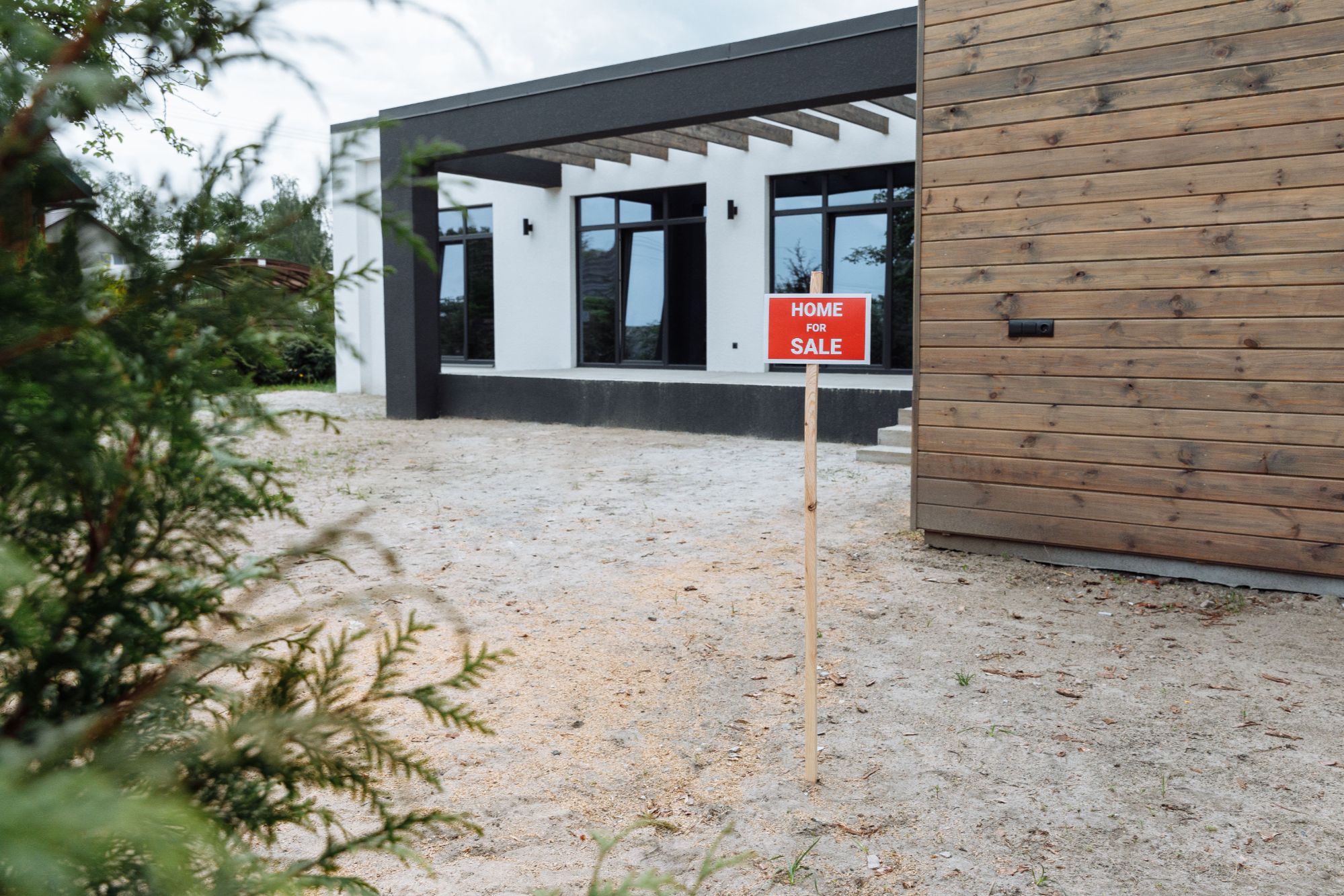
More listings across the corridor mean more room to negotiate. Photo: Pexels.
The second force to watch is supply, because it decides who sets the terms of a deal. The frenzy of a few years ago is over, and the numbers show a market that has handed a good deal of that power back to buyers:
More Homes on the Market
The San Antonio Board of REALTORS® (SABOR) reported more than six months of inventory in the San Antonio area in July 2026, a level economists tend to call a balanced market that favors buyers. That is a real shift from the sub-two-month supply that fueled bidding wars in 2021. More standing inventory means you can tour several homes, sleep on the decision, and still have options the next morning.
Longer Days on Market
Homes are also taking longer to sell. SABOR reported homes averaging around 81 days on the market in July 2026, up roughly 11% year over year, and sellers received about 93% of their original asking price on average. Longer market times do not mean prices are collapsing. They mean a well-kept, correctly priced home still sells, and often near its asking number, while overpriced listings are the ones that sit. For a seller, that is good news in disguise, since strong preparation and sharp pricing stand out more now than they did when everything sold overnight.
Real Leverage at the Table
For sellers, this market rewards realistic pricing and good preparation, and a home shown well still draws solid offers in the corridor. For buyers, it opens the door to concessions that were unthinkable a few years back. Here is where I see that buyer leverage show up most often:
- Room to negotiate the price down toward recent comparable sales rather than the wish-list number.
- Seller-paid closing costs or a rate buydown to ease the early payments.
- Repair credits after inspection instead of an as-is take-it-or-leave-it stance.
- A longer option period to do your due diligence without rushing.
- Time to compare a resale home against a nearby new build before deciding.
That list is a general guide, and how much leverage you hold depends on the specific home, its condition, and how long it has been listed. Because those conditions move month to month, it pays to follow the latest San Antonio market updates before you write an offer or set a list price.
The New Property Tax Relief for 2026
The third thing to watch is one of the few pieces of good news for owners this year. A statewide change to the rules took effect for 2026, and it lowers the tax side of your monthly payment when the home is your primary residence:
The Higher Homestead Exemption
Proposition 13, which Texas voters passed in November 2025, raised the general school district homestead exemption from $100,000 to $140,000, and that higher amount applies to the 2026 tax year. For a home you live in as your primary residence, that means school taxes are calculated on a lower taxable value. Homeowners 65 and older or with a qualifying disability can stack an additional exemption on top of that. The Texas Comptroller has estimated average annual savings of roughly $1,700 for most homesteaded owners, though your exact figure depends on your appraised value and local rates.
The Full Tax Bill Beyond the Exemption
Your total bill combines city, county, school district, and any special-district levies, so two homes on the same street can carry different totals if one sits inside a municipal utility district and the other does not. The exemption lowers the school portion, not every line. When I show a buyer a home, we look up the actual tax history rather than trusting a builder or seller estimate, because the surprise usually hides in a special district or a stale first-year number.
The Deadlines for Filing and Protesting
Owners who already had a homestead exemption on file get the higher amount automatically. Buyers closing this year should file the homestead exemption once the deal is done, then review the appraisal notice each spring. I protest the appraisals on my own rental properties most years, and I tell owners to do the same on their homes. For the exact exemption amounts and protest deadlines that apply to a corridor address, the Guadalupe Appraisal District is the office to check, along with a tax professional for your specific situation.
Rising Homeowners Insurance Costs
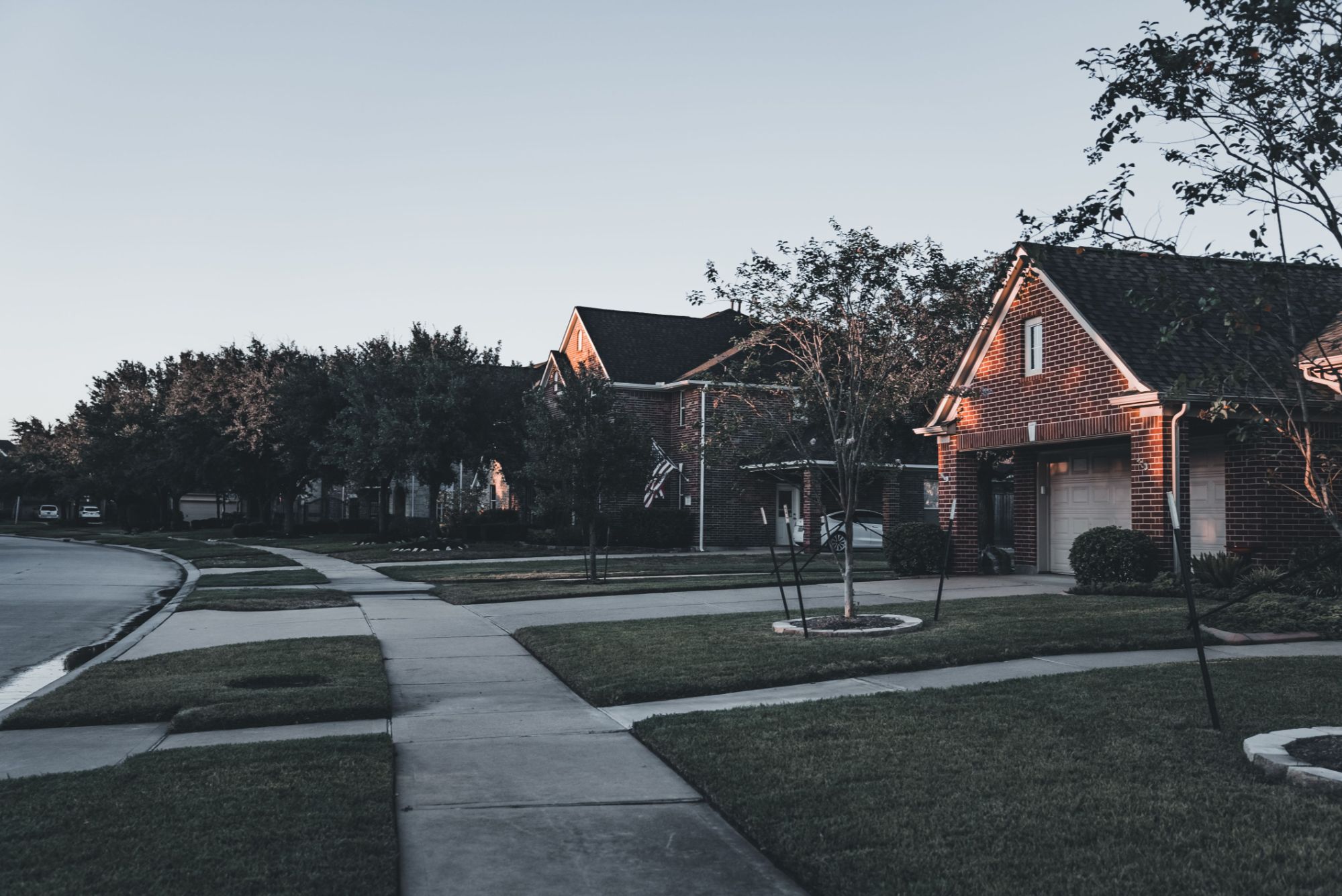
Insurance is the line item buyers most often underestimate. Photo: Pexels.
The fourth force to watch runs the other way, and it can quietly erase the tax savings above. Homeowners insurance in Texas has become a real factor in what a monthly payment costs, and buyers who overlook it feel it at closing:
The Climb in Texas Premiums
The Texas Department of Insurance reported an average annual homeowners premium of about $3,291 statewide for 2024, up from roughly $1,961 in 2019. Storm frequency, higher rebuilding costs, and rising home values have all pushed premiums up faster than in most states. San Antonio tends to run below the statewide average because it sits inland and away from the coast, but it still lands above the national average, and every buyer feels it in the escrow figure.
The Factors Behind Your Rate
Your premium depends on the home more than the ZIP code alone. Roof age and condition, the age of the plumbing and electrical systems, your deductible, and the coverage amount all move the number. A newer build with a fresh roof often insures for less than an older home with a 15-year-old roof, which is one reason insurance belongs in the new-versus-resale comparison rather than as an afterthought.
The Early Quote on the Address
The move I push hardest is getting a real insurance quote during your option period, not after. Managing my own rental properties has taught me that insurance is not a fixed cost you can ignore, it is a line item you shop and revisit every renewal. Ask an agent to quote the specific address, compare a couple of carriers, and fold that real number into your payment before you remove your financing contingency. These figures are a general guide and change by carrier and by home, so confirm your own quote with a licensed insurance agent.
New Construction Competing With Resale
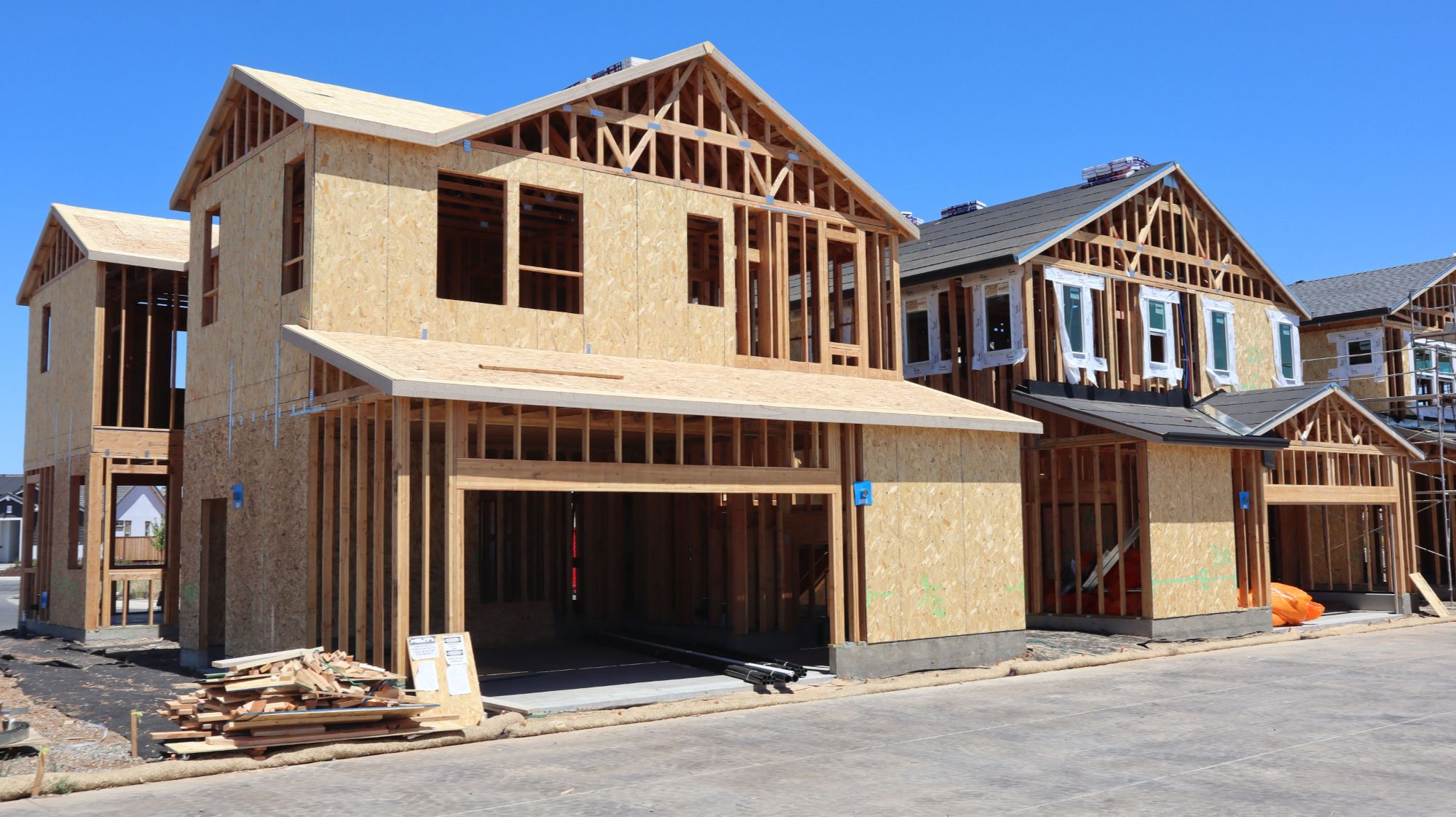
Builders across the corridor are competing hard with incentives in 2026. Photo: Pexels.
The fifth thing to watch is the sheer volume of new construction going up across the corridor, because it competes directly with resale and changes what both sides will offer. Builders in Schertz, Cibolo, and the surrounding communities keep bringing new phases online, and that competition works in a buyer's favor:
The Builder Incentives Reshaping the Choice
To keep buyers moving without slashing the headline price, many builders lean on rate buydowns, closing-cost credits, and design-center allowances. Those packages can be worth real money on standing inventory a builder wants off the books. The catch is that the richest incentives often require the builder's preferred lender, so you cannot judge the offer until you put it next to an outside quote. I always take a builder's written incentive sheet and compare it against independent financing before a client signs anything.
The Case for a Resale Home
A resale home often wins on price per square foot, on established lots with mature trees, and on negotiating room in a market where homes are sitting longer. My experience managing older rental homes has taught me to respect a well-kept resale, since the bones are frequently excellent and the price reflects the age. The trade-off is that you may budget for an older roof or heating and cooling system down the line, which loops right back to the insurance point above.
The Fit for Military Buyers
For service members using a U.S. Department of Veterans Affairs (VA) loan, a new build with a builder-paid buydown can pair well with the zero-down structure of the benefit, and a quick move-in home solves the timing problem when a report date will not wait for a six-month build. All JBSA installations share one housing area, so your Basic Allowance for Housing (BAH) does not change by gate. Published 2026 JBSA rates run from about $1,359 per month for a junior enlisted member without dependents up to roughly $2,475 for a senior officer with dependents, down about 2.9% from 2025, with rate protection generally keeping your existing rate if you were already drawing the higher figure. Because the corridor still prices below much of the metro core, many buyers can keep the full payment at or near their allowance, depending on price and rate. That gap between renting and buying is worth running before your house-hunting trip, since a mortgage payment near your allowance builds equity while rent does not, though holding the home only makes sense if you plan to stay or keep it as a rental. Confirm your exact figure with the official Department of Defense tables and a VA-savvy lender.
Moving Forward in the 2026 Market With Confidence
The waiting game that had you stuck at the start should feel less like a gamble now. None of these five forces points to one magic date on the calendar, and that is the point. They point to a market that rewards buyers and sellers who run their own real numbers and then act on them, rather than the ones who keep waiting for a signal that never quite arrives.
That is the position I want every client in this corridor to be in. Whether you decide to buy this spring, list your home, or hold for another season, the decision gets clear once these pieces sit in front of you together. As a military relocation specialist who lives here and works these neighborhoods every week, I would rather help you understand the market than talk you into a timeline. When the numbers make sense for you, that is the right time to move.
Ready to Read the 2026 Market Together?
I am Anthony Sharp with Sharp Realty Group, a U.S. Air Force veteran who helps buyers, sellers, and military families make sense of the San Antonio market across Schertz, Cibolo, Universal City, and the wider JBSA corridor. Want a second set of eyes on your numbers or a plan for your move? Let's talk.
Call or text: 210-997-0763
Schedule a time: book a consultation
Email: anthony@sharprealtygrouptx.com
Office: 213 Terramar, Cibolo, TX 78108
Frequently Asked Questions (FAQs)
Is 2026 a good time to buy a home in San Antonio?
For many buyers it is a reasonable window, though nobody can promise where rates or prices head next. Inventory is up, homes are taking longer to sell, and sellers are more open to concessions than they were a few years ago, which hands buyers negotiating room. The right move depends on your budget, your timeline, and how long you plan to stay, so run the full monthly payment before you decide.
Are home prices in San Antonio going up or down in 2026?
Prices have been holding fairly steady rather than swinging hard in either direction. SABOR reported a median around $315,000 in the San Antonio area in July 2026, up modestly year over year, with figures varying by month, source, and neighborhood. Longer days on market do not mean values are falling, they mean the market has normalized after the pandemic-era spikes.
How does the 2026 Texas homestead exemption affect my taxes?
Proposition 13 raised the general school district homestead exemption to $140,000 for the 2026 tax year, which lowers the taxable value used for school taxes on a primary residence. Owners who already have a homestead exemption on file get the higher amount automatically, and new buyers should file after they close. It only reduces the school portion of your bill, so confirm the full picture with your county appraisal district and a tax professional.
Why is homeowners insurance so expensive in Texas right now?
Premiums have risen because of more frequent severe weather, higher rebuilding costs, and rising home values, and Texas has seen some of the fastest increases in the country. San Antonio tends to run below the statewide average since it sits inland, but it still lands above the national average. Get a real quote for the specific address during your option period so the number does not surprise you at closing.
Should I buy new construction or a resale home near JBSA?
It depends on what you value. New construction often comes with a warranty, low early maintenance, and builder incentives that can shrink the payment, while resale usually wins on price per square foot, mature lots, and negotiating room. For a service member on a tight report date, a quick move-in home can remove the timing risk. Compare a builder's written incentive against outside financing before you assume either path is the better deal.
Does my BAH change depending on which JBSA base I report to?
No. Randolph, Fort Sam Houston, Lackland, and Camp Bullis all fall under the same San Antonio military housing area, so your BAH is set by your pay grade and dependency status, not the gate on your orders. The 2026 rates for the area eased slightly from 2025, though rate protection generally lets you keep a higher existing rate. What changes from one community to the next is how far that allowance stretches.
* * *
Disclaimer: This article is general information only and does not consider your individual financial, tax, or legal circumstances. Market data, mortgage rates, tax rules, insurance costs, and program terms change and are provided as a general guide, not a guarantee. Nothing here guarantees financing, approval, appreciation, or resale value. Before making a decision, speak with a qualified professional such as a REALTOR®, a licensed lender, or an attorney about your specific situation.
Categories
- All Blogs (282)
- BAH (4)
- For Home Buyers (197)
- For Home Sellers (92)
- For Investors (44)
- For Military Service Members (187)
- For Renters (10)
- JBSA (7)
- Local Events (12)
- Local Real Estate News (40)
- Market Updates (43)
- Military Relocation (42)
- Neighborhood Tours (58)
- PCS Move (110)
- Property Tours (7)
- VA Loans (15)
Recent Posts