How I-35 Growth and Schertz Station Shape Home Values in 2026
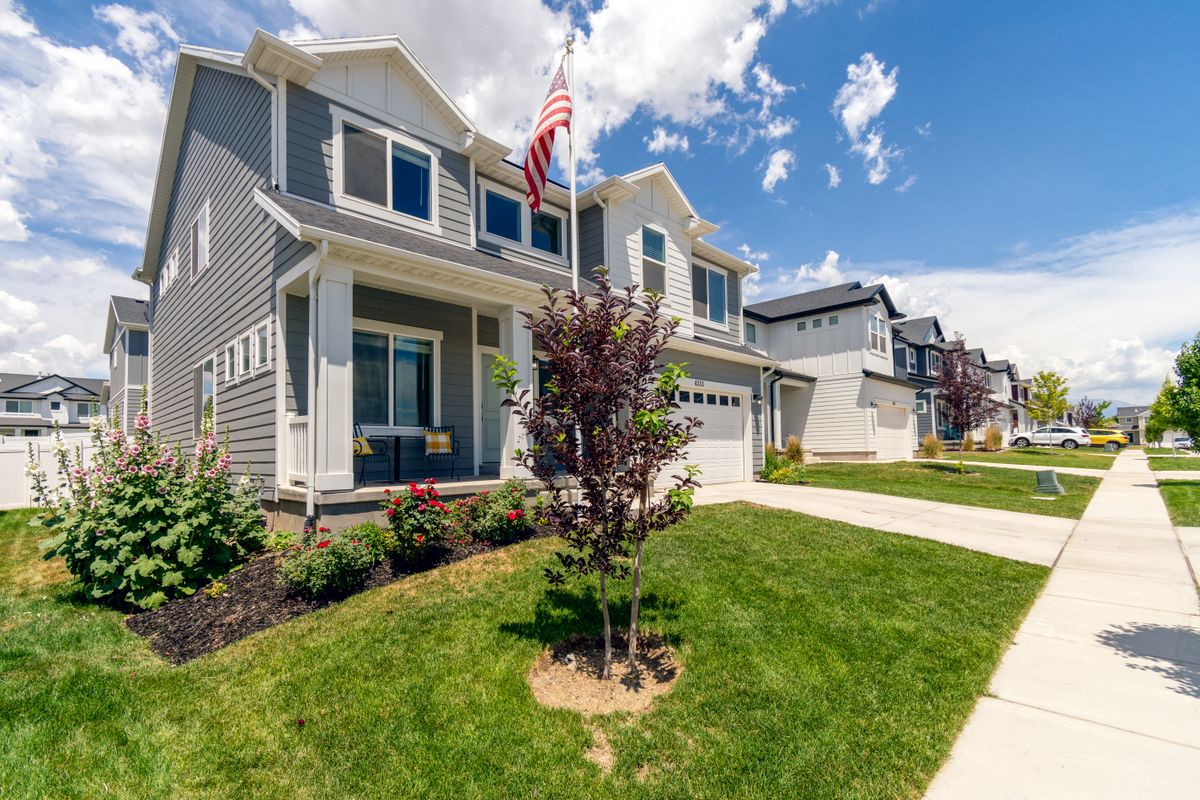
Two-story family homes on a suburban street near the growing I-35 corridor. Photo: Pexels.
Two nearly identical homes in Schertz, same floor plan and same year built, and one is priced $20,000 under the other because it sits closer to the interstate work. Buyers ask me all the time whether that gap is a deal they should grab or a warning they should heed, and the answer comes down to how I-35 growth is really moving home values in 2026, not to the discount sticker on any one house.
I am Anthony Sharp, a U.S. Air Force veteran and REALTOR® with Sharp Realty Group here in Cibolo, and this is the question I field more than almost any other along the corridor right now. I serve on the Cibolo Planning and Zoning Commission, I own and self-manage rentals across these ZIP codes, and I watch the road projects and rezoning agendas up close. Before you read too much into a price gap, it helps to see how the construction lines up with what a home is worth, and scanning the current homes for sale near Randolph shows you where prices sit today.
The honest version is that infrastructure and commercial growth cut both ways. A new interchange or a shopping district can raise demand for a neighborhood, and the same work can mean years of noise, detours, and dust before the payoff arrives. What follows is how I read the Interstate 35 (I-35) expansion, the Schertz Station development, and the wider job growth for what they really do to home values, so you can decide with your eyes open.
Key Takeaways
- The I-35 NEX expansion is reshaping the corridor through Schertz, and the years-long construction phase weighs on convenience before the finished road adds value.
- Schertz Station and steady job growth give the east side new retail, dining, and demand drivers that tend to support nearby home values over time.
- San Antonio area home prices held up in 2026, with more inventory and real negotiating room for buyers.
- Where a home sits relative to the growth matters more than the growth itself, so the specific street and drainage picture drive the number.
How the I-35 Expansion Is Reshaping the Schertz Corridor
The biggest force acting on this corridor is not a builder or a store, it is the interstate itself. The Texas Department of Transportation (TxDOT) is in the middle of a major rebuild called the Northeast Expansion (NEX) that runs straight through Schertz, and understanding the phases tells you a lot about the timing of any value it creates:
The NEX Program in Brief
The NEX program covers roughly 20 miles of I-35 from North Walters Street in San Antonio to FM 1103 in Guadalupe County. The plan adds elevated lanes above the existing highway, reworks frontage roads and ramps, and upgrades drainage across Bexar, Comal, and Guadalupe counties. The stated goals are safety, shorter travel times, and capacity for the growth that keeps arriving. On a road this busy, that is a heavy lift, and it is happening in segments rather than all at once.
The Construction Timeline Through Town
Work is real and visible in 2026. The northbound on-ramp north of Corporate Drive closed in June 2026 for drainage and roadwork and was slated to stay closed into August 2026, with traffic detoured to the next entrance at Schertz Parkway. That is one ramp among many changes, and the corridor also has new turnarounds and overpasses planned at Cibolo Valley Drive and FM 2252. The central portion of the NEX work has a completion target in the late 2020s, so anyone buying here should assume active construction for a while yet. Project schedules shift, so confirm the current phase and closures before you count on them.
The Value Trade-Off During the Build
A finished highway with elevated lanes and better ramps can make a suburb more attractive and shorten the drive that buyers price into an offer. During the build, though, the same stretch means detours, lane shifts, and construction noise near the frontage. I have walked buyers through homes a few streets off the interstate that show almost no daily impact, and others backing up to the work where the trade-off is obvious. The growth story is real, but it rewards patience, and the value it adds tends to show up after the barrels come down rather than while they are still up.
The finished design matters as much as the disruption. The elevated lanes will run above the current highway with direct connections to Loop 410 and Loop 1604, which is meant to pull through-traffic off the frontage roads that neighborhoods sit against. If that plays out the way TxDOT intends, some streets near the interstate could end up quieter once the project wraps than they are today. I do not treat that as a promise, since engineering plans and daily reality do not always match, but it is a reason not to write off a well-located home just because the map looks busy right now.
What Schertz Station and Job Growth Mean for Home Values
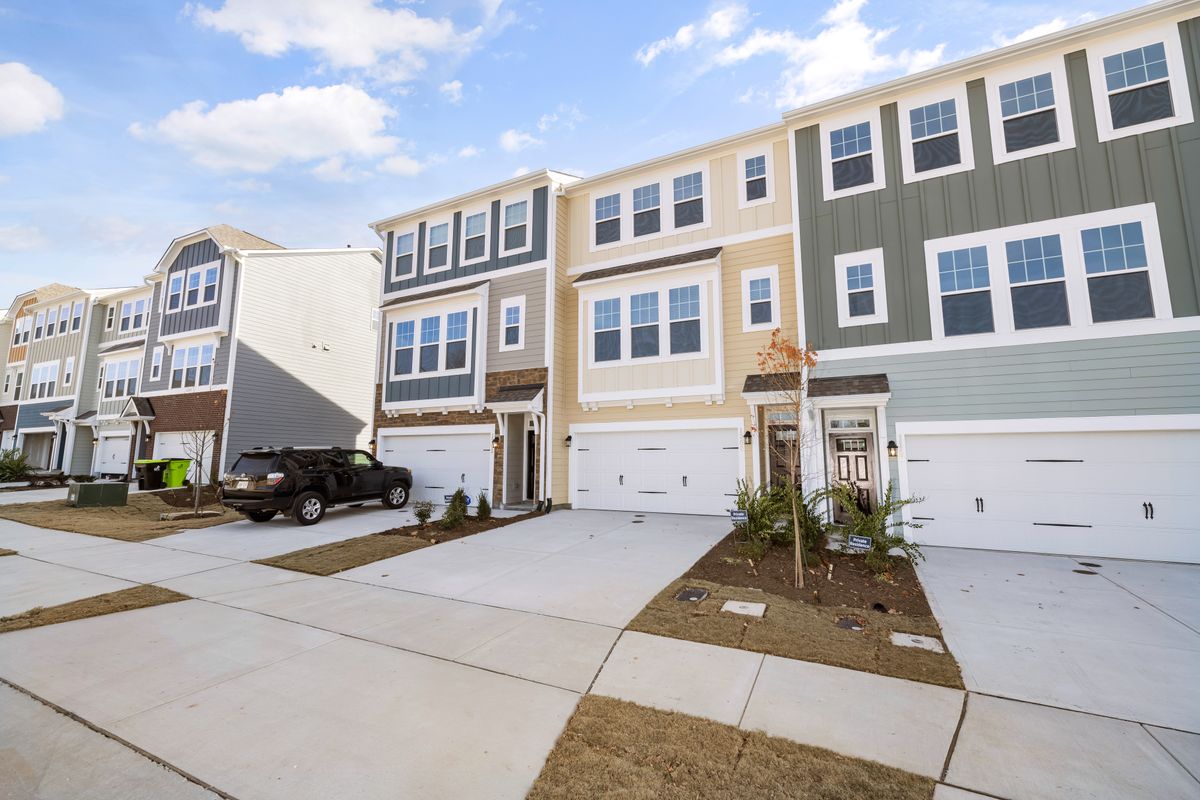
New construction filling in a suburban development near Schertz Station. Photo: Pexels.
Roads move people, but jobs and amenities are what make them want to stay, and Schertz has been adding both. The east side of the city near Cibolo Valley Drive has become a focal point, and a few developments are worth knowing by name:
The Schertz Station District
Schertz Station is a 72-acre mixed-use development at I-35 and Cibolo Valley Drive, anchored by an EVO Entertainment theater and filling in with retail and dining names like Home Depot, Portillo's, CAVA, and Panera. That interchange already carries more than 150,000 vehicles a day, which is exactly why national brands chose the spot, and why the surrounding streets get busier as it fills in. Construction on the district is continuing through 2026, with more restaurants and shops filing permits as the space leases up. For homeowners nearby, a walkable cluster of everyday shopping and entertainment is the kind of convenience buyers notice, and amenities within a short drive usually help a neighborhood hold demand. The flip side is more traffic on the closest streets, which is worth weighing before you buy right at the edge of it.
The Employers Along the Interstate
Schertz sits at the meeting point of I-35 and I-10, and the city has leaned into industrial and distribution growth for years, with major employers building out along the corridor. New arrivals keep coming, including a British manufacturer opening its first American plant in Schertz in 2026 and another phase of a nearby business park. When I want to see which employers are breaking ground before I advise a buyer, I check the City of Schertz business and development updates. Steady local jobs tend to support housing demand, because people who work nearby often want to live nearby, and that same pull runs the length of the I-35 corridor growth stretching from San Antonio toward Austin.
The Housing Supply That Follows Rooftops
Growth like this pulls new housing with it, including build-to-rent townhomes planned right behind the Schertz Station retail. More supply is generally healthy for buyers, since it eases the pressure that pushed prices up fast a few years ago. As someone who self-manages rentals in this corridor, I watch new rooftops closely, because they shape both what a home resells for and what it rents for. Job and retail growth support values over time, while a wave of new supply nearby keeps any single home from running away on price.
Reading Schertz Home Prices Against 2026 Market Data
Growth narratives are easy to overstate, so I anchor every conversation to current numbers rather than momentum. Here is the market backdrop against which any Schertz value should be read in 2026:
| Market Indicator | 2026 Reading | What It Signals |
|---|---|---|
| San Antonio area median price | $315,000 in July, up 2% year over year | Prices holding, not spiking |
| 30-year fixed mortgage rate | 6.66% as of late August 2026 | Payment matters as much as price |
| Share of homes selling near ask | About 93% of original asking price | Room to negotiate exists |
| Inventory trend | Improved from recent tight years | More choice for buyers |
These figures move by source and by month, so treat them as a general guide and confirm current numbers with your agent and lender before you decide.
The Corridor Backdrop
Those numbers describe a steadier market than 2022, not a boom. With most Schertz family homes falling in that $200,000 to $499,000 band and sellers averaging around 93% of their original asking price, buyers usually have room to bargain rather than pressure to overbid. Homes are also sitting on the market longer than they did a few years ago, which is what hands a patient buyer the leverage to ask for a price adjustment or a repair credit. Growth headlines have not turned this into a bidding-war environment, and the added inventory is part of why.
The Rate Reality
Price is only half of what you pay. The Freddie Mac 30-year fixed averaged 6.66% as of August 27, 2026, and rates move weekly, so the monthly payment can shift even when a home's price does not. I always tell buyers to shop the rate the way they shop the house, because a fraction of a point changes the budget more than most people expect. A licensed lender can price your exact scenario, and that number, not the sticker, is what tells you whether a growing corridor home fits your life.
For military buyers, there is a second lever worth pulling. All Joint Base San Antonio (JBSA) installations share one San Antonio housing area, so your Basic Allowance for Housing (BAH) is the same whether you report to Randolph, Fort Sam Houston, or Lackland, and it sets a comfortable ceiling rather than a target you have to hit. Plenty of families I work with land a home a notch below their allowance in this corridor and keep the difference each month while still building equity. Pairing that allowance with the zero-down structure of a U.S. Department of Veterans Affairs (VA) loan is often what makes a Schertz home near all this growth pencil out, and a lender who closes VA files regularly can confirm the current terms for you.
The Corridor in One Listing
One of my active Schertz listings shows what that balance looks like. It is a five-bedroom, two-story home at 3113 Cameron Riv in the Fairway Ridge subdivision, priced at $439,900 with about 3,526 square feet and a brand-new heating and cooling system. It sits minutes from I-35 and Randolph, close enough to enjoy the access and far enough off the frontage to sidestep the daily construction. That balance, more than any single amenity, is what I watch when I price a home in a growth zone.
How Buyers, Sellers, and Investors Can Use the Growth
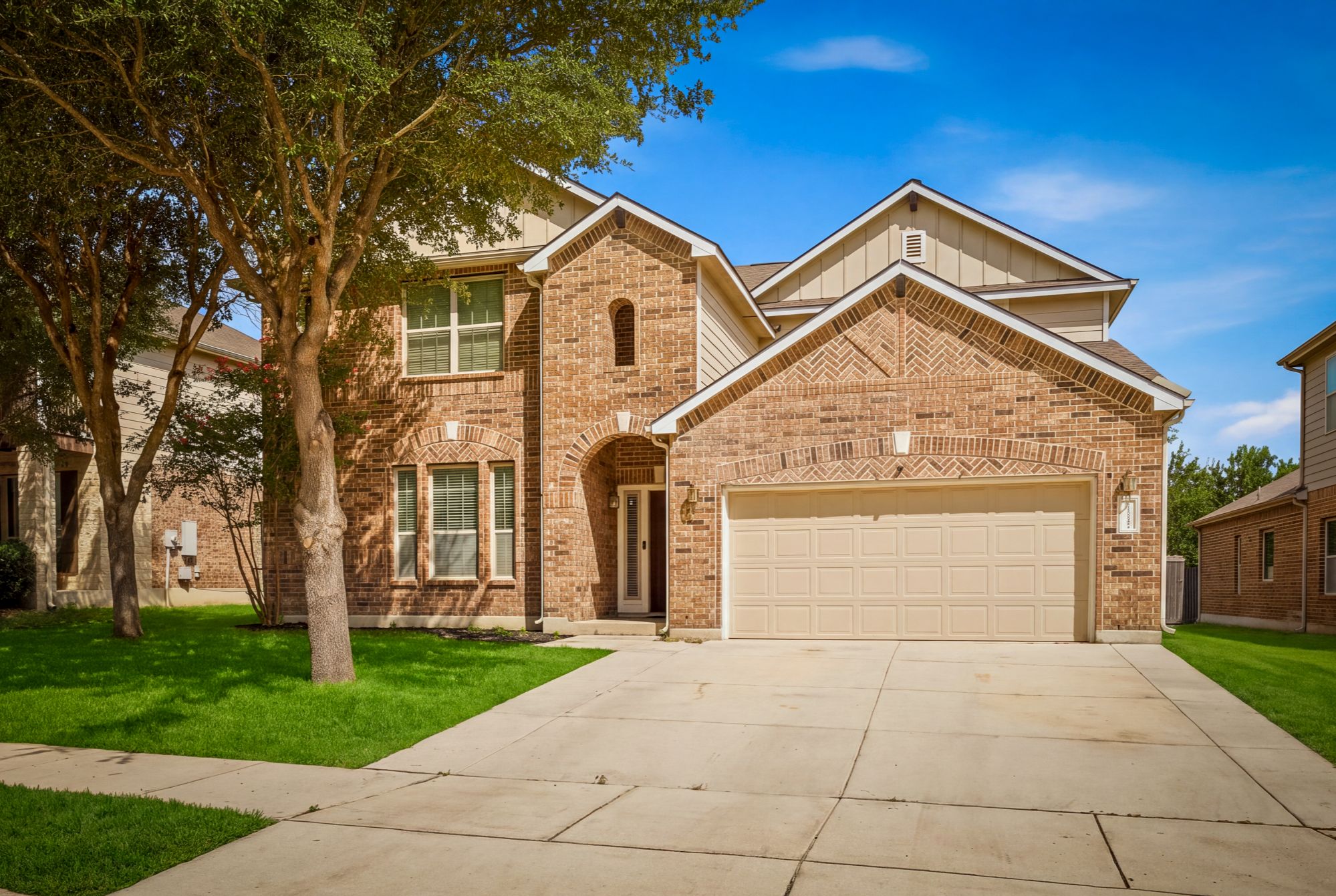
3113 Cameron Riv, minutes from I-35 and Randolph in Schertz. Photo: Sharp Realty Group.
The same growth reads differently depending on which side of the table you sit on, so here is how I coach each type of client:
For Buyers Weighing the Trade-Offs
The growth can work in your favor when you land near the access without sitting on top of the construction. A few things I have buyers check before they fall for a floor plan:
- How close the home sits to active NEX work and which ramps or roads change during the build.
- Whether the lot backs up to the frontage road, a greenbelt, or a quieter interior street.
- How the drive to your gate or job feels at your real commute time, driven in person.
- What new construction nearby means for resale competition down the road.
- How the full payment pencils out with taxes and insurance, not just principal and interest.
For Sellers Timing the Market
If you own here and are thinking about selling, the growth is a selling point when you frame it honestly. Buyers relocating to JBSA care about the finished access and the new retail, so a listing that names the nearby amenities and the commute realities tends to attract the right buyer faster. With sellers getting around 93% of original asking on average this year, pricing to the current market rather than to a growth headline is what keeps a home from sitting. I have watched sharp pricing pull multiple offers on a first weekend while an overpriced neighbor lingered for months.
For Investors Playing the Long Game
As someone who holds rentals in this corridor, I look at growth through a cash-flow lens rather than a hype lens. Job and retail expansion can support rental demand, and military turnover every permanent change of station season keeps tenant interest steady near Randolph. The cautions are the same ones I apply to my own properties. I avoid buying right against the interstate or industrial edges, and I budget for property taxes that can climb as a new area fills in and its appraised values catch up. I file a homestead exemption where it applies and protest my own appraisals most years, and I encourage owners to do the same and to talk with a tax professional about their specific situation.
Buying With Confidence in a Growing Corridor
That $20,000 price gap that gave you pause should feel less like a warning sign now and more like context you can read. You know the I-35 expansion is a multi-year project whose value shows up mostly after it finishes, you know Schertz Station and steady jobs give the east side real demand drivers, and you know the wider market held steady in 2026 with room to negotiate. Growth is not something happening to your home value so much as something you can position around.
The buyers and sellers who do well in this corridor are the ones who look past the headline to the specific street, the specific lot, and the specific payment. Line those up, drive the commute yourself, and the growth stops being a gamble and starts being a factor you control. When you are ready to match a real home in Schertz to the way you really live, that is the work I do every week as a military relocation specialist in this corridor.
Ready to Weigh Schertz Growth Against Your Move?
I am Anthony Sharp with Sharp Realty Group, a U.S. Air Force veteran who helps buyers, sellers, and military families read the I-35 corridor across Schertz, Cibolo, and the JBSA area. If you want a second set of eyes on how a specific home sits against the growth, let's talk.
Call or text: 210-997-0763
Schedule a time: book a consultation
Email: anthony@sharprealtygrouptx.com
Office: 213 Terramar, Cibolo, TX 78108
Frequently Asked Questions (FAQs)
Will the I-35 expansion raise home values in Schertz?
It can help over time, since better access and shorter drives are things buyers pay for, but the benefit tends to arrive after the work finishes rather than during it. While construction is active, homes closest to the frontage can feel the noise and detours, so location relative to the build matters more than the project itself. Nobody can promise a specific gain, so weigh the finished road against your other factors, from commute to price to payment.
Is buying near Schertz Station a good idea in 2026?
For many buyers, a short drive to retail, dining, and entertainment is a real convenience that supports demand for nearby neighborhoods. The trade-off is more traffic on the closest streets, so it comes down to how near you want to be. I usually walk clients through the difference between a home a few minutes from the district and one right at its edge, because that gap changes both daily life and resale appeal.
How much are homes selling for in the Schertz area right now?
The San Antonio area median price was around $315,000 in July 2026, up about 2% year over year, with most sales falling between $200,000 and $499,000. Schertz family homes generally sit inside that band, though the specific subdivision, size, and age move the number. Medians shift month to month and by source, so use any figure as a snapshot and confirm current comparable sales before you set a price or an offer.
Does construction near the interstate hurt a home's resale value?
Active construction can weigh on convenience and buyer perception in the short term, especially for homes right against the work. Homes a few streets off the frontage often show little daily impact, and the finished road can improve access once it is done. The practical move is to check exactly where a home sits relative to the project and to drive the surrounding roads before you commit.
Is Schertz a good place to buy for a Randolph AFB commute?
Schertz is one of the closer corridor cities to Randolph, and many neighborhoods put you a short drive from a gate, which is part of why relocating families look here. The I-35 work can change your route temporarily, so drive your real commute at your real report time before deciding. If you are torn between the two closest options, weighing Schertz versus Cibolo gate by gate usually settles it faster than a spec sheet does.
Should I wait for the I-35 project to finish before buying?
That depends on your timeline and how much daily construction you are willing to live near. Waiting could mean a smoother commute, but it also means buying later at whatever prices and rates apply then, which nobody can predict. If a home a few streets off the work fits your budget and your gate, there is often little reason to wait, and a local agent can help you compare specific streets against the build.
* * *
Disclaimer: This article is general information only and does not consider your individual financial, tax, or legal circumstances. Market data, mortgage rates, construction schedules, and program terms change and are provided as a general guide, not a guarantee. Nothing here guarantees financing, approval, appreciation, or resale value. Before making a decision, speak with a qualified professional such as a REALTOR®, a licensed lender, or an attorney about your specific situation.
Categories
- All Blogs (276)
- BAH (4)
- For Home Buyers (192)
- For Home Sellers (91)
- For Investors (42)
- For Military Service Members (184)
- For Renters (10)
- JBSA (7)
- Local Events (12)
- Local Real Estate News (40)
- Market Updates (42)
- Military Relocation (41)
- Neighborhood Tours (58)
- PCS Move (109)
- Property Tours (6)
- VA Loans (14)
Recent Posts