
Earnest Money in Texas: How Much and How It Works (2026)
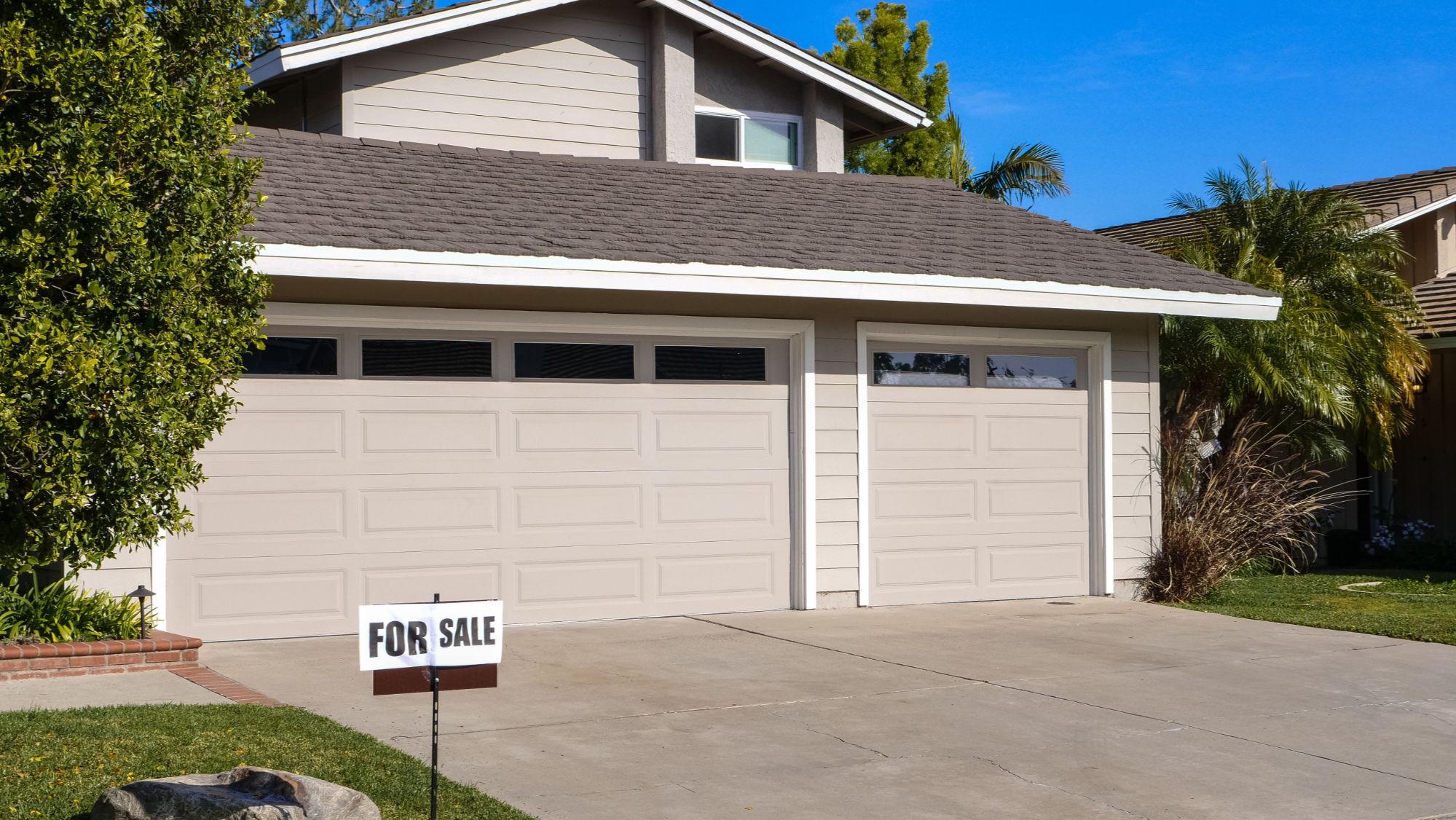
A for sale sign stands in front of a modern suburban home. Photo: Pexels.
Your offer on a Texas home just got accepted, and before you finish celebrating, the listing agent asks when your earnest money will reach the title company. You realize you are not sure how much you committed, how many days you have to deliver it, or whether you get it back if the inspection turns up a foundation problem. Earnest money in Texas runs on the same contract rules in Houston, Dallas, Austin, and San Antonio, and those rules are strict about timing, so it pays to answer these questions before you sign, not after.
I am Anthony Sharp, a U.S. Air Force veteran and REALTOR® with Sharp Realty Group in Cibolo, and the northeast San Antonio corridor, from Universal City and Converse out to Schertz and Cibolo, is the market I work every week. The contract terms in this guide apply statewide, so whether you are touring San Antonio homes for sale or a house in El Paso, it helps to know what that deposit does, who holds it, and what can put it at risk before you put a number on it.
Earnest money in Texas is governed mostly by the contract you sign, and the Texas Real Estate Commission (TREC) put a revised One to Four Family Residential Contract (Resale) into use on July 1, 2026. The amount is negotiable but the deadlines are not, and knowing the difference keeps a good-faith deposit from turning into an expensive lesson for buyers, sellers, investors, and military families on orders to Texas installations such as Joint Base San Antonio (JBSA).
Key Takeaways
- Earnest money is a negotiable good-faith deposit held by the escrow agent, usually a title company, and credited to you at closing.
- Around 1% of the price is a common starting point in many Texas markets, adjusted for competition and how long a home has sat.
- Under the current TREC resale contract, earnest money and the option fee are due to the escrow agent within three days after the Effective Date.
- Your deposit is usually refundable when you terminate on time under a contract right, and at risk once those deadlines pass.
How Earnest Money in Texas Works
Texas contracts ask for two separate deposits at the same time, and buyers moving from other states often mix them up. Here is how they compare:
| Factor | Earnest Money | Option Fee |
|---|---|---|
| Purpose | Good-faith deposit securing the contract | Payment for the right to terminate |
| Typical size | Often around 1% of the price | Often a few hundred dollars |
| Delivered to | Escrow agent named in the contract | Escrow agent named in the contract |
| Release to seller | Only under contract terms or default | Anytime, without further buyer consent |
| Termination in the option period | Refunded to the buyer | Kept by the seller |
| Successful closing | Applied to the buyer's costs | Credited to the sales price |
The Good-Faith Deposit
Earnest money is money you commit in the purchase contract to show the seller you intend to close. It is not a fee, and it does not go to the seller when you sign. Once the seller accepts your offer, your deposit gives them some protection if you walk away without a contract right to do so. No Texas statute sets a minimum amount, so the figure is whatever you and the seller agree to in writing.
The Escrow Agent's Role
Your contract names an escrow agent, which in most Texas transactions is the title company handling the closing. The escrow agent holds the funds, signs the receipt page of the contract once the money arrives, and releases them only as the contract allows. It is not a party to the contract, and under the TREC form it owes no interest on your deposit, so expect the money to sit in escrow, not grow.
The Option Fee
The option fee buys the unrestricted right to terminate during the option period, a set number of days after the Effective Date. You do not need a reason to use it, and your termination notice must reach the seller by 5 p.m. local time on the last day. Option periods commonly run about five to 10 days, which leaves room for a general inspection, a specialist on anything flagged, and a repair negotiation.
Under the current form, you can pay both amounts in a single payment, and the escrow agent applies that payment to the option fee first, then to the earnest money. The option fee can go to the seller at any time, so treat it as spent the day you pay it. Leave the option fee blank, and you do not get the termination right at all.
The Credit at Closing
When the sale closes, the contract applies your earnest money first to any cash down payment, then to your share of closing costs, and refunds any excess to you. That order matters for buyers using a U.S. Department of Veterans Affairs (VA) loan with no down payment, since the deposit goes toward closing costs and any leftover comes back to you on the settlement statement. Either way, earnest money is not an extra cost. It is part of the cash you were bringing to closing anyway, just delivered early.
How Much Earnest Money Texas Buyers Typically Offer in 2026
Once you know where the money goes, the next question is how much to put in. There is no fixed percentage, and the right number depends on the home, the price point, and how much competition you face. These are the factors worth weighing before you fill in the blank:
The 1% Starting Point
Around 1% of the purchase price is a common opening point across many Texas markets, and it is where I start with most buyers. The Texas Real Estate Research Center reported a statewide median sale price of $342,900 for June 2026, so a 1% deposit on a home near the middle of the Texas market lands at roughly $3,400. In the San Antonio area, where the San Antonio Board of REALTORS® (SABOR) reported a $299,275 median for August 2026, the same guideline points to about $3,000.
The Slower 2026 Market
Homes sold across Texas in June 2026 spent an average of 62 days on market, according to the Texas Real Estate Research Center, while listings that had not sold averaged about 90 days. The San Antonio area ran slower still, with SABOR reporting 82 days on market for August and an average sale at 92.8% of the original list price. When a home has been sitting, most sellers care more about your price, concessions, and financing than the size of your deposit, which gives many buyers room to offer a standard amount rather than stretch. That said, a fresh, well-priced listing can still attract more than one offer.
The Case for Offering More
A larger deposit tends to help in situations like these.
- A newly listed home drawing more than one offer.
- A price point where well-kept homes are scarce.
- An offer with a shorter option period or fewer repair requests.
- A cash offer competing against several financed buyers.
- A seller who has already watched a prior contract fall apart.
When you are competing for a well-priced San Antonio home, earnest money is one lever among several, alongside price, closing date, and the strength of your preapproval. More money in escrow signals commitment, but it also raises the amount at risk once your protections expire, so match the deposit to how confident you are in the home and your financing.
The Case for Holding Back
A standard or smaller deposit often makes sense when you are relocating on a tight cash budget or your financing still has open questions. Service members juggling a permanent change of station (PCS) move, travel costs, and temporary lodging may prefer to keep cash free. For VA buyers, I often negotiate a lower upfront deposit and put the strength of the offer into clean terms instead.
These amounts reflect common Texas practice and mid-2026 market data, so treat them as a general guide and set your own figure with your agent.
The clearest way to see the 1% math is to run it on a real list price. The five-bedroom Fairway Ridge home at 3113 Cameron Riv in Schertz comes with a brand-new heating and cooling system and no rear neighbors, so a buyer can size the deposit against a home where the major system work is already done.
Texas Earnest Money Deadlines Under the 2026 TREC Contract

Whatever amount you settle on, the clock starts the day your offer is accepted. Paragraph 5 of the resale contract says time is of the essence, which means the dates are enforced exactly as written and a single missed day can cost you:
Counting the 3-Day Window
You have three days after the Effective Date to deliver the earnest money and the option fee to the escrow agent. The Effective Date is the date of final acceptance on the signature page, and the count runs in calendar days, not business days, so an offer accepted on a Tuesday would typically need funds at the title company by Friday. Any additional earnest money follows its own deadline written into the contract.
When you check your contract against the current TREC contract forms, look for the 20-19 form number printed at the bottom of each page, which marks the version in use now.
Handling Weekend and Holiday Deadlines
When the last delivery day falls on a Saturday, Sunday, or legal holiday, the deadline moves to the end of the next day that is not one. That extension covers the earnest money, the option fee, and any additional earnest money, but it does not stretch your option period, which still ends at 5 p.m. local time on the date in the contract, whatever day of the week that is.
Delivering the Funds
Title companies across Texas typically take a wire or a cashier's check, and each one sets its own delivery instructions. Wire fraud targets this exact moment, when a buyer is expecting instructions and moving thousands of dollars in a hurry. A few habits protect you.
- Call the title company at a number you find on your own to confirm wiring instructions.
- Treat any email announcing changed instructions as a red flag until you verify it by phone.
- Request the escrow agent's signed receipt once the funds arrive.
- Keep proof of the date and time you sent the money.
- Tell your agent the moment the deposit is delivered.
Missing the Deadline
Late earnest money gives the seller the right to terminate the contract, pursue remedies under the default paragraph, or both, as long as the seller sends notice before your money arrives. A late option fee costs you the unrestricted right to terminate. Either slip can unravel a contract you worked hard to win, so confirm the title company's delivery details before the offer is signed, especially when you are sending funds from another state or an overseas duty station.
Contract deadlines can change with each TREC revision and each offer, so treat this timeline as a general guide and confirm every date in your signed contract.
When Earnest Money in Texas Is Refundable or at Risk
Delivering on time keeps your contract alive, but whether the deposit comes back later turns on a different question. Did you end the contract through a right it gives you, and did you do it on time? These are the parts of the contract that decide it:
The Option Period
Give written notice within the option period, and your earnest money comes back to you. This is the broadest protection in a Texas resale contract, which is why it pays to schedule inspections in the first day or two of the period, not the last.
The Financing Approval Period
Most financed purchases include the Third Party Financing Addendum, which gives you a set number of days to get loan approval. When the loan cannot be approved and you give notice within that window, you can typically terminate and recover your earnest money. Once the window closes without notice, that protection generally ends, so stay in close contact with your lender through that stretch.
The Lender Appraisal Addendum
A low appraisal does not automatically release a conventional buyer. The Addendum Concerning Right to Terminate Due to Lender's Appraisal lets you keep a termination right, waive it, or waive it only up to a set gap between the appraised value and the contract price. Without that addendum or similar protection, a low value may leave you choosing between covering the difference and putting your deposit at risk.
The VA Escape Clause
Every VA purchase contract must include the VA escape clause, sometimes called the amendatory clause. The clause means you will not lose your earnest money or have to complete the purchase if the price is higher than the value the VA sets on its Notice of Value. You can still move forward by covering the difference or renegotiating. Federal Housing Administration loans carry similar appraisal protection.
The Other Termination Rights
Several other parts of the contract return your deposit when their conditions are met. You may terminate with a refund when title objections go uncured, when lender-required repairs exceed 5% of the sales price and no one agrees to cover them, or when fire or other damage cannot be repaired by closing. The seller's disclosure works the same way. When you receive a Texas seller's disclosure after the Effective Date, you have seven days from the day it arrives to terminate and get your earnest money back.
The Default Remedies
Once your protections expire, backing out without a contract right usually puts you in default. The seller may then end the contract and keep your earnest money, or hold you to the purchase and seek other relief. It works in reverse too. When a seller defaults, you can terminate and get your earnest money back or hold the seller to the sale.
The Release and Dispute Process
After a termination, either party or the escrow agent sends a release for both sides to sign. When one party will not sign, the other can send the escrow agent a written demand. If no written objection arrives within 15 days, the escrow agent may release the funds to the party who made the demand, minus any unpaid expenses. Anyone who wrongfully refuses to sign a release within seven days can be on the hook for damages, the earnest money, attorney's fees, and court costs.
Disputes the two sides cannot settle on their own go to mediation under the contract. These protections depend on the boxes checked and the days written into your contract, so use them as a general guide and bring in a Texas real estate attorney when a deposit is in dispute.
The option period earns its keep on a home with repair history worth reading. The Kramer Farm home at 672 Planters Pass in Schertz had its foundation repaired in 2025 with a transferable lifetime warranty that conveys, so a buyer can review that paperwork during the option period while the earnest money is still fully refundable.
Earnest Money Strategies for Texas Buyers, Sellers, and Investors
The rules are the same for everyone, but the deposit plays a different role depending on which side of the table you sit on and what kind of purchase you are making. Here is how it looks for each group:
Buyer Considerations
Your strongest protection is timing, not the dollar amount. Before you sign, confirm each of these details with your agent.
- The exact amount of earnest money and any additional earnest money.
- The escrow agent named in the contract and how it accepts funds.
- The length of the option period and the date it ends.
- The financing approval deadline in the Third Party Financing Addendum.
- The appraisal addendum and the waiver option selected, if any.
Lenders usually want to see where the earnest money came from, so pay it from an account you can document instead of moving money around at the last minute. Your lender can tell you which records they need.
Seller Considerations
For sellers, the deposit is one signal among several, and a buyer's financing, option period, and closing date often say more about the odds of reaching closing than a slightly larger deposit. The option fee can be released to you during the contract, while the earnest money stays in escrow until closing or a signed release. The resale contract also lets you keep showing the home and accept back-up offers unless you agree otherwise, which softens the blow when a buyer terminates during the option period.
Military Buyer Considerations
Buyers on PCS orders to a Texas installation are often writing offers from another state with a report date that will not move. The standard resale form has no general termination right for changed orders, so new orders that arrive after your option period ends will not, by themselves, protect your deposit. That makes it worth matching the option and financing deadlines to your travel and report dates before you sign. Both listings I mentioned above accept VA financing, which keeps either one on the table for a VA buyer.
Investor Considerations
As someone who owns and self-manages rental homes in the San Antonio corridor, I look at earnest money partly as capital I cannot put to work elsewhere until closing. Investors making cash offers often pair a firmer deposit with a short option period to compete, which can work well when the numbers and the inspection plan are already clear. The tradeoff is exposure once the option period ends, so it makes sense to size the deposit to how much due diligence you can realistically finish inside that window.
New Home Buyer Considerations
Builder sales often work differently, since many builders use their own contracts rather than the TREC forms, and those contracts may call for larger deposits, hold earnest money differently, or treat design-center and upgrade deposits as nonrefundable. TREC does publish New Home Contract forms, but a builder is free to use its own. Read the deposit and refund terms before you sign at a model home, and have an attorney review anything that departs from the standard forms.
Writing Your Next Offer With Your Earnest Money Protected
How much to put down, and whether you get it back, comes down to three things you control, which are the amount you negotiate, the deadlines you calendar, and the contract rights you keep open until you are sure. Earnest money is not money you lose by default. It moves under clear rules, and you help write them. Working with a military relocation specialist who knows the TREC forms, you can build those terms around your timeline or report date before you sign.
So when the listing agent asks when your earnest money will reach the title company, you will already know the number, the deadline, and every exit your contract gives you. That is the difference between a nervous first week under contract and a calm one, and it is the position I want every buyer and seller in Texas to be in.
Ready to Write a Confident Offer in San Antonio?
I am Anthony Sharp with Sharp Realty Group, a U.S. Air Force veteran and REALTOR® who helps buyers, sellers, investors, and military families across Schertz, Cibolo, Universal City, and the wider JBSA corridor set earnest money, option periods, and deadlines that fit their timeline. Bring me the home you are eyeing, and we will map out the deposit and option period before you sign.
Call or text: 210-997-0763
Schedule a time: book a consultation
Email: anthony@sharprealtygrouptx.com
Office: 213 Terramar, Cibolo, TX 78108
Frequently Asked Questions (FAQs)
How much earnest money is normal in Texas?
Around 1% of the purchase price is a common starting point, or roughly $3,400 on a home near the mid-2026 Texas median. The amount is negotiable and often moves up for a competitive listing or down for a home that has been sitting.
Is earnest money refundable in Texas?
Usually, yes, when you terminate through a right the contract gives you and meet its deadline, such as the option period, the financing approval period, a lender appraisal addendum, or the VA escape clause. Once those rights expire, walking away without a valid reason can put the deposit at risk, and the final answer always depends on your signed contract.
What is the difference between earnest money and an option fee?
Earnest money is a good-faith deposit held in escrow and applied to your costs at closing. The option fee buys the unrestricted right to terminate during the option period, and the seller keeps it if you terminate.
Under the current TREC resale contract, both go to the escrow agent, and both are credited to you if the sale closes.
What happens if I deliver earnest money late in Texas?
The seller may terminate or pursue other remedies by sending notice before your funds arrive. A deadline that lands on a weekend or legal holiday moves to the next day that is not one, but the three-day window itself is strict, so deliver early and keep the escrow agent's receipt.
Do VA buyers have to pay earnest money?
The VA loan program does not set an earnest money requirement, so the amount is negotiated like any other term. Many sellers still expect a deposit. With no down payment, those funds go toward your closing costs, and any excess is refunded at closing.
How long does it take to get earnest money back after termination?
It depends on how quickly both sides sign the release. Once the title company has a release signed by both parties, it can return the funds. When one side refuses to sign, the written demand process takes over, and a contested deposit may need mediation or an attorney.
* * *
Disclaimer: This article is general information only and does not consider your individual financial, tax, or legal circumstances. Earnest money practices, contract forms, market data, and loan program terms change and are provided as a general guide, not a guarantee. Nothing here guarantees financing, approval, appreciation, resale value, or the return of any deposit. Before making a decision, speak with a qualified professional such as a REALTOR®, a licensed lender, or a Texas real estate attorney about your specific situation.
Categories
- All Blogs (263)
- BAH (3)
- For Home Buyers (182)
- For Home Sellers (89)
- For Investors (41)
- For Military Service Members (175)
- For Renters (9)
- JBSA (6)
- Local Events (12)
- Local Real Estate News (38)
- Market Updates (41)
- Military Relocation (40)
- Neighborhood Tours (57)
- PCS Move (105)
- Property Tours (5)
- VA Loans (10)
Recent Posts