
What San Antonio Buyers Are Looking For in 2026: A Seller's Guide

You listed three weeks ago, the showings trickled in, and now the calendar is filling with days and not offers. That silence is the sound of a market that has changed under your feet, and most sellers I meet are still pricing and prepping for the buyer who showed up in 2022, not the one shopping today.
I am Anthony Sharp, a U.S. Air Force veteran and REALTOR® with Sharp Realty Group here in Cibolo, and I sell across the northeast San Antonio corridor and the Joint Base San Antonio (JBSA) market every week. What San Antonio buyers want in 2026 has shifted toward value, condition, and a payment that pencils out, and that shift decides whether your home moves or sits. Your home will land in the same feed as every other one of the San Antonio homes for sale, so the smart move is to walk it the way the buyer scrolling that feed will, because that buyer is who you are selling to.
I walk these neighborhoods with buyers and sellers every week, so I read a listing from both sides of the deal at once. What follows is the honest layout of what today's buyer is filtering for, what earns an offer, and where sellers in this corridor are leaving money on the table.
Key Takeaways
- San Antonio buyers in 2026 lead with the monthly payment, so price against recent closed sales, not last year's peak or your neighbor's list price.
- With homes averaging well over a month on market and sellers netting close to full list, condition and a clean, honest listing beat cosmetic gambles.
- Nearly half of sellers are offering concessions, and a rate buydown or closing-cost credit often moves a buyer faster than a price cut of the same size.
- Military buyers are a large slice of corridor demand, so a home that clears a VA appraisal and shows well online widens your buyer pool.
How San Antonio Buyers Shop Differently in 2026
The buyer who once had to decide in an afternoon now has weeks and a screen full of options. Understanding how that buyer moves through a search is the first step to positioning against them:
The Payment-First Mindset
Today's buyer does not fall for a house and then work out the money. They start with the money. The Freddie Mac 30-year fixed averaged 6.69% as of August 6, 2026, and at that level a buyer is doing quiet math on every listing, adding Texas property taxes and insurance to principal and interest before they ever request a showing. A home that looks fine on price alone can still get skipped if the full monthly number lands outside a buyer's comfort range. Confirm current rates with a licensed lender, since they move weekly.
The Filter-and-Compare Search
Buyers filter by a maximum price, then line up everything that clears the bar side by side. If your home sits a tier above comparable listings, it never enters the comparison, and no amount of open-house charm rescues a home that got filtered out before the buyer saw it. In the corridor I watch this play out weekly, where two similar homes a few streets apart draw completely different traffic based on which one priced inside the buyer's search band.
The Longer Decision Window
Slower is not stalled. Recent Bexar County data has shown homes averaging well over a month on market, with sellers still netting close to 98% of list price. That tells you two things at once. Buyers are taking their time, and correctly priced homes in solid shape are still closing near ask. The homes that spiral into price cuts are usually the ones that started too high and burned through the critical first two weeks of attention.
The Total-Cost Calculation
Buyers are not just weighing the mortgage. They stack property taxes, insurance, any special-district or municipal utility district assessment, and a homeowners association fee into one monthly figure before they decide a home is affordable. In parts of the corridor, two homes on the same street can carry sharply different tax and district totals, and a savvy buyer knows to ask. Having the real tax figure, any HOA dues, and recent utility costs ready when you list removes a layer of doubt that would otherwise push a cautious buyer toward the house next door.
Pricing to Match What Buyers Will Pay

Price is the one lever that outweighs every other. Get it right and the rest of your plan works; get it wrong and no amount of staging, photos, or patience makes up the difference. Here is how I frame the pricing conversation with sellers this year:
Anchoring to Closed Sales, Not List Prices
Buyers and appraisers both work off what homes sold for, not what hopeful neighbors listed for. Across the San Antonio metro in 2026, the median sale price has generally hovered in the low $300,000s depending on the source and month, and corridor homes track close to that. A comparative market analysis built on the last 60 to 90 days of closed sales in your subdivision is worth more than any online estimate, because it reflects the buyer you have right now. Treat any single figure as a snapshot and confirm current comps with your agent.
Pricing Into a Buyer's Search Band
Buyers search in round tiers, so a home listed at $415,000 misses every buyer capped at $400,000, even though the two numbers are almost the same. I would rather list at $399,900 and pull the full pool of buyers searching under $400,000 than shave a few thousand off later once the listing has gone stale. Landing just under a search threshold often draws more showings than a slightly higher number ever will.
Protecting the First Two Weeks
A fresh listing gets its heaviest traffic in the opening days, when it hits every saved search at once. Overprice it and you spend that window teaching buyers to scroll past, then chase the market down with cuts that read as a warning sign. Before you settle on a number, the county and metro sales trends published by the Texas Real Estate Research Center give you a read grounded in something other than a headline.
Condition and Presentation That Earn Modern Offers
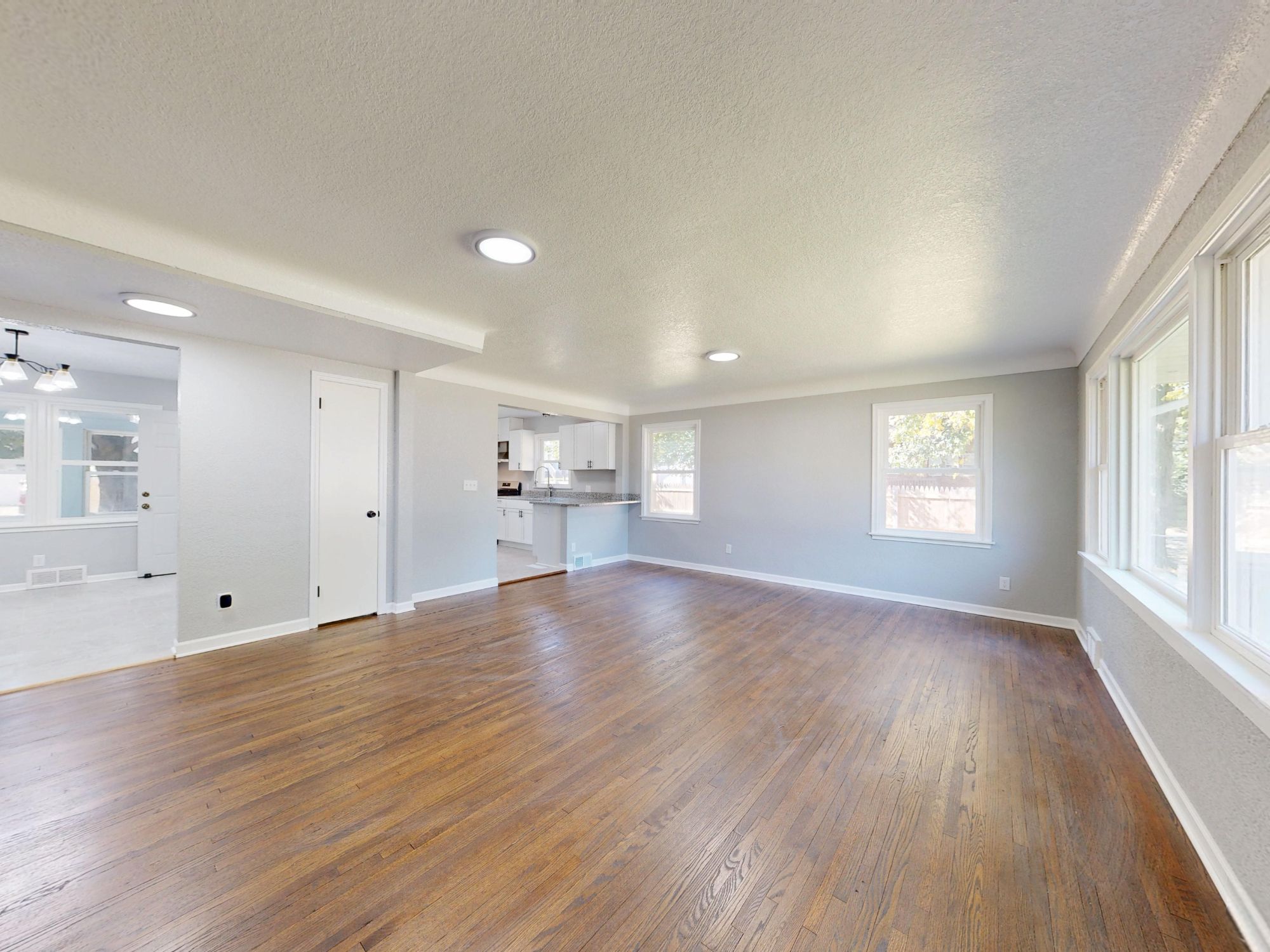
Once your price clears the filter, condition decides whether a showing turns into an offer. Buyers in 2026 are risk-averse about what a home might cost them after closing, so the goal is to remove doubt rather than dazzle. The pieces that move the needle most:
Move-In-Ready Condition
Move-in-ready does not mean gutted and rebuilt. It means a buyer can picture unpacking without a repair list waiting for them. Fresh neutral paint, working systems, no dripping faucets, and clean flooring do more for an offer than a splashy upgrade the buyer would have chosen differently anyway. What I see again and again is that buyers forgive an older roof they can see and budget for, but they walk from a pile of small, nagging defects that hint at deferred care.
Updated Kitchens and Baths
Kitchens and bathrooms still carry the most weight in a buyer's gut reaction, and the fix is rarely a full renovation. Fresh caulk and grout, updated cabinet hardware, a modern faucet, and bright lighting can make a builder-grade space feel maintained and current. Buyers are not asking for designer finishes in most corridor price points; they are asking not to spend their first weekend after closing fixing what you left behind.
Documented Energy Efficiency
In a Texas summer, buyers ask about the electric bill before they ask about the paint color. If you have a newer heating and cooling system, added insulation, double-pane windows, or a recent water heater, gather the receipts and service records and hand them over. Documented efficiency lowers the perceived monthly cost, and lower perceived cost is exactly what a payment-first buyer is hunting for.
Strong Listing Photos
Your listing photos are the showing. Buyers decide from a phone screen whether your home is worth a Saturday, so dark, cluttered, or crooked photos quietly cost you traffic no matter how good the house is in person. Bright, well-composed images, an accurate description, and strong curb appeal in the lead shot are not extras; they are the front door of the sale in a market where buyers compare a dozen homes before touching one.
Clutter-Free Rooms
A buyer walking through your home is trying to picture their own life in it, and heavy furniture, packed closets, and a wall of family photos get in the way of that. You do not need a professional staging budget to fix it. Thinning out furniture so rooms read larger, clearing counters and closets, and pulling back dark window treatments to let in light all help a buyer imagine moving in. The home that feels open and easy to picture tends to be the one they remember when they sit down to write an offer.
A Pre-Listing Inspection
Some sellers order an inspection before they list so nothing surprises them mid-deal. It is not required, but in a market where buyers expect an inspection contingency and negotiate hard on what they find, knowing your home's issues ahead of time lets you fix or price for them on your own terms instead of scrambling under a contract clock. Even if you skip the formal inspection, walk your home with a critical eye and address the safety and function items a buyer's inspector will flag first, since those are the ones that turn into repair credits or dead deals.
Concessions and Terms That Close the Deal
Price and condition get you the offer; terms often get you the close. Buyers in 2026 have room to ask for more than a lower number, and the sellers who win know which levers cost the least and move a buyer the most:
| Concession | What It Does for the Buyer | Why Sellers Use It |
|---|---|---|
| Rate buydown | Lowers the monthly payment, often in the early years | Moves a payment-first buyer more than a small price cut |
| Closing-cost credit | Reduces cash needed at the table | Helps buyers who are strong on income but short on cash |
| Repair credit | Lets the buyer handle fixes on their terms | Keeps a deal alive after inspection |
| Home warranty | Adds a year of system coverage | Low cost, eases first-year worry |
| Flexible closing date | Matches a lease end or report date | Costs nothing and wins military and relocation buyers |
These are a general guide, and the right mix depends on your buyer and your numbers, so confirm terms and any tax treatment with your agent, lender, and a tax professional.
A Buydown Over a Price Cut
Here is the math sellers miss. Nationally, roughly 46% of sellers were giving concessions in mid-2026, and in a payment-first market a rate buydown can lower a buyer's monthly cost more than a same-size price reduction. A few thousand dollars aimed at the rate can shave a meaningful chunk off the payment, which is the number the buyer is watching, while the same few thousand off the price barely moves it. When a buyer stalls over affordability rather than the sticker, terms usually break the logjam faster than price. Because every concession comes out of your proceeds, it helps to factor them into the full cost of selling a home before you offer one.
An Offer Beyond the Top Number
The highest offer is not always the strongest offer. Financing strength, the size of the earnest money, the inspection and appraisal contingencies, and the closing timeline all decide whether that number ever reaches the closing table. I have watched a clean, well-qualified offer a touch under list beat a higher one loaded with contingencies, because certainty has real value when the market gives buyers room to walk.
Selling to the JBSA Buyer in the San Antonio Corridor
A large slice of corridor demand comes from military families moving to JBSA on a clock, and selling to that buyer well can widen your pool at no cost. A few things I coach corridor sellers to keep in mind:
Homes That Clear a VA Appraisal
Many corridor buyers use a U.S. Department of Veterans Affairs (VA) loan, and a VA appraisal checks the home against safety and habitability standards before it closes. Peeling exterior paint, exposed wiring, a failing roof, or a broken water heater can flag the appraisal and stall your deal. Handling obvious safety items before you list keeps a VA-financed offer from unraveling two weeks in.
Timing That Respects a Report Date
A permanent change of station (PCS) buyer often has a fixed report date and little room to slide. Offering a flexible closing date, a quick move-in, or a short rent-back if you need time can make your home the obvious choice for a family racing a calendar. Summer brings the heaviest PCS traffic, and that tailwind eases into the fall, so timing your listing to the season matters more than it used to.
A Buydown That Pairs With Zero Down
A VA buyer already brings zero down and no private mortgage insurance, so a seller-paid rate buydown stacks neatly on top and speaks straight to the payment they care about. I spent years in uniform and used the benefit myself, and I can tell you a service member weighing two similar homes will lean toward the one that trims the monthly number. Skip that buyer, misjudge the price, or let condition slide, and the listing drags into the mistakes that stretch out the average time to sell a house.
Your Home, Positioned for the 2026 Buyer
The quiet on your showing calendar is not a verdict on your home. It is a signal that the buyer changed and the listing has not caught up yet. Once you price against real closed sales, clear the condition doubts a cautious buyer is scanning for, and hold a smart concession in reserve, that silence tends to break. You are not chasing a vanished market; you are meeting the one in front of you on its own terms.
Sellers who win in this corridor are the ones who stop selling to the buyer they remember and start selling to the buyer who is scrolling tonight. Line up the price, the presentation, and the terms before you list, and you put your home in front of the widest pool of ready buyers in San Antonio, on a timeline that fits your life rather than the market's mood.
Ready to Position Your San Antonio Home to Sell?
I am Anthony Sharp with Sharp Realty Group, a U.S. Air Force veteran and military relocation specialist who helps sellers across San Antonio, Cibolo, Schertz, and the JBSA corridor price, prep, and negotiate for today's buyer. If you want a straight read on your home's value and a plan to reach the right buyer, let's talk.
Call or text: 210-997-0763
Schedule a time: book a consultation
Email: anthony@sharprealtygrouptx.com
Office: 213 Terramar, Cibolo, TX 78108
Frequently Asked Questions (FAQs)
What are San Antonio buyers looking for in 2026?
Buyers in 2026 lead with the monthly payment, then look for a home that is move-in-ready, honestly priced, and low-risk on future costs. They want clean, current kitchens and baths, documented energy efficiency, and a listing that shows well online. Luxury finishes matter less than confidence that they will not inherit a repair list after closing.
Is now a good time to sell a home in San Antonio?
It can be, if you price and prepare for the current market rather than the peak years. Homes are taking longer to sell and buyers have more leverage, but correctly priced homes in good shape are still closing near list. The sellers who struggle are usually the ones anchored to 2022 pricing. A local agent and a fresh comparative market analysis will tell you where your specific home stands.
Should I offer concessions or just lower my price?
It depends on why the buyer is hesitating. If they are stalling on the monthly payment, a rate buydown or closing-cost credit often moves them more than the same dollars taken off the price. If the sticker itself is scaring buyers away in searches, a price adjustment may be the right call. Talk it through with your agent, and confirm any tax angle with a tax professional.
How do I attract military and VA buyers near JBSA?
Make the home easy to finance and easy to time. Handle obvious safety and habitability items so a VA appraisal goes smoothly, offer a flexible or quick closing that fits a report date, and consider a seller-paid rate buydown that pairs with a VA buyer's zero-down structure. A large share of corridor demand comes from JBSA families, so a home that welcomes that buyer reaches a wider pool.
How much should I spend fixing up my home before listing?
Focus on high-impact, low-cost work first, like neutral paint, deep cleaning, minor repairs, fresh caulk and grout, better lighting, and curb appeal. Skip major renovations unless something is broken enough to block financing or scare buyers off, since over-improving past your neighborhood rarely returns full value. The goal is to remove doubt, not to rebuild the house.
What if my home has been sitting on the market with no offers?
A stall almost always points back to price or presentation. If showings are light, the price or the online photos are likely filtering buyers out before they visit. If showings are steady but offers are not, condition or terms may be the sticking point. Review your closed comps, refresh the photos, and consider a targeted concession before you resort to a steep cut.
* * *
Disclaimer: This article is general information only and does not consider your individual financial, tax, or legal circumstances. Market data, mortgage rates, and program terms change and are provided as a general guide, not a guarantee. Nothing here guarantees financing, approval, appreciation, or resale value. Before making a decision, speak with a qualified professional such as a REALTOR®, a licensed lender, or an attorney about your specific situation.
Categories
- All Blogs (261)
- BAH (3)
- For Home Buyers (180)
- For Home Sellers (88)
- For Investors (41)
- For Military Service Members (173)
- For Renters (9)
- JBSA (6)
- Local Events (12)
- Local Real Estate News (38)
- Market Updates (41)
- Military Relocation (40)
- Neighborhood Tours (57)
- PCS Move (104)
- Property Tours (5)
- VA Loans (10)
Recent Posts