
How to Price Your San Antonio Home in 2026: Sell Without a Price Cut

You list your San Antonio home at the number a neighbor swears they got last year, the showings trickle in for two weeks, and then the calls stop. Three weeks later you are staring at a price reduction that costs you more than if you had listed lower from the start. Learning how to price your San Antonio home correctly in 2026 is the single move that decides whether you sell cleanly or spend the summer chasing the market down.
I am Anthony Sharp, a U.S. Air Force veteran and REALTOR® with Sharp Realty Group here in Cibolo, and pricing is the conversation I have most often with sellers across the northeast San Antonio corridor and the wider metro. As a Military Relocation Specialist, I work with a lot of families selling on a permanent change of station (PCS) timeline, where a stale listing is not just annoying, it can wreck a report date. Before you settle on a number, it helps to see how your home stacks up against the current homes for sale that a buyer will compare it to.
The market in 2026 rewards accuracy and punishes wishful thinking. Buyers have more choices than they did a few years ago, they are watching every dollar of their monthly payment, and they notice when a home sits. What follows is the framework I use with my seller clients to set a price that holds, so you protect your net instead of surrendering it in reductions.
Key Takeaways
- In 2026, buyers compare your home against current listings and recent sales, so pricing to yesterday's market is what triggers most reductions.
- The first two weeks on the market draw your strongest buyer interest, and an overpriced start wastes that window.
- A price cut often nets you less than listing right, because it stalls momentum and invites harder inspection negotiations.
- Presentation, condition, and terms move your pricing power as much as the number itself.
Why Accurate Pricing Matters More in the 2026 San Antonio Market

Pricing strategy should follow the market, not your hopes for it, and the San Antonio market in 2026 has shifted toward buyers. Here is what that shift means when you set a number:
Reading the Current San Antonio Numbers
The San Antonio Board of REALTORS® (SABOR) reported a June 2026 median sales price of $329,730, up about 4% from a year earlier, with closed sales up roughly 15% year over year. Homes averaged 76 days on the market, and total time to close ran around 111 days. Those figures tell me buyers are active but deliberate. They are not overpaying, and a home that starts above the market usually sits long enough that a reduction becomes unavoidable. Sales rising while prices hold steady is the signature of a market where fair pricing still moves a home and optimistic pricing does not. Figures move month to month and vary by source, so treat any single number as a snapshot rather than a promise, and ask for data specific to your neighborhood.
Pricing to Your Neighborhood, Not the Metro
The citywide median hides a lot of variation, and pricing off a metro headline is one of the more common mistakes I see. A newer subdivision on the northeast side behaves differently from an established 1990s neighborhood a few miles away, and a home backing to a greenbelt commands a different number than the same floor plan on a busy street. Two similar houses can land far apart on days-on-market and sale-to-list price depending on their ZIP code, condition, and how much competing inventory sits nearby. Before I set a number with a seller, I pull the trend for their specific area, because that is the market a buyer will measure your home against, not the metro as a whole.
Factoring in Mortgage Rates and Buyer Payment Sensitivity
Rates set the ceiling on what a buyer can pay each month. The Freddie Mac 30-year fixed average was 6.66% as of July 30, 2026, up modestly over the prior weeks. When rates sit in the mid-6% range, buyers shop by monthly payment, not sticker price, so a home priced even a few thousand dollars high can fall out of a buyer's search entirely. To sell without a cut, your home has to read as the strongest value in its price band for its size and condition. Rates move weekly and are personal to each buyer, so confirm current numbers with a licensed lender.
Understanding the Cost of a Reduction
A price cut is sometimes necessary, but in a market with plenty of competing listings it tends to cost more than sellers expect. You lose the early momentum when the most motivated buyers are paying attention. Buyers who see the reduction anchor to it and wonder how much lower you will go. And once you have signaled you were high, inspection and repair negotiations get tougher. Across Texas, sellers have leaned on larger concessions and cuts through 2026. Figures compiled by the Texas Real Estate Research Center put the median San Antonio price cut around $15,000, close to 5% off the original asking price, a reminder that a home priced right from day one usually protects more of your net than one that drifts into reductions. It also compounds. A listing that reduces once often reduces again, because the first cut rarely catches a market the home has already fallen behind. Every added week on market feeds the sense that something is wrong, which is the last thing you want a buyer feeling when they finally write an offer.
How to Price Your San Antonio Home Step by Step
Setting the right number is a disciplined process, not a guess or a gut call. This is the sequence I walk my seller clients through before we ever go live:
Building a Comp Set the Way a Buyer Would
I pull a tight set of comparable sales in your neighborhood or the nearest substitute, matched on size, age, and lot where possible, then sort them by condition into updated, average, and needs-work homes. Buyers do this comparison in their heads as they scroll listings. Doing it on paper lets us place your home honestly among its real competition instead of against the one hopeful outlier down the street.
Using Pending Sales as the Truest Signal
Closed sales can lag the current market by a month or more, so they tell you where the market was, not where it is. Pending and under-contract listings show what buyers are agreeing to right now. If the most similar pending home is priced below your target, that is the market talking, and you need a concrete reason to justify sitting above it, like better condition, a superior lot, or a real upgrade.
Choosing Between a Speed Strategy and a Top-Dollar Strategy
Most sellers want to move fast and net the most, and you can usually favor one while doing fine on the other, but you should pick with intent. A speed strategy positions your home as the clear value against active competition, which suits a PCS timeline or a purchase that depends on this sale. A top-dollar strategy sits at fair market value with strong presentation and firm terms, which suits a seller who can wait out a slower pace. Starting above fair market value to test the market is the approach that most often ends in reductions and a weaker position at the table.
Setting a Range and Choosing One Number
From the comps and the pending data, we land on a supported range, then pick a single list price based on your strategy and the current competition. The home that reads as the strongest value in its comp set often produces the better outcome, which is not always the highest opening number. A well-placed price draws the traffic that creates competition, and competition is what protects your bottom line.
What Moves Your Pricing Power Beyond the Number
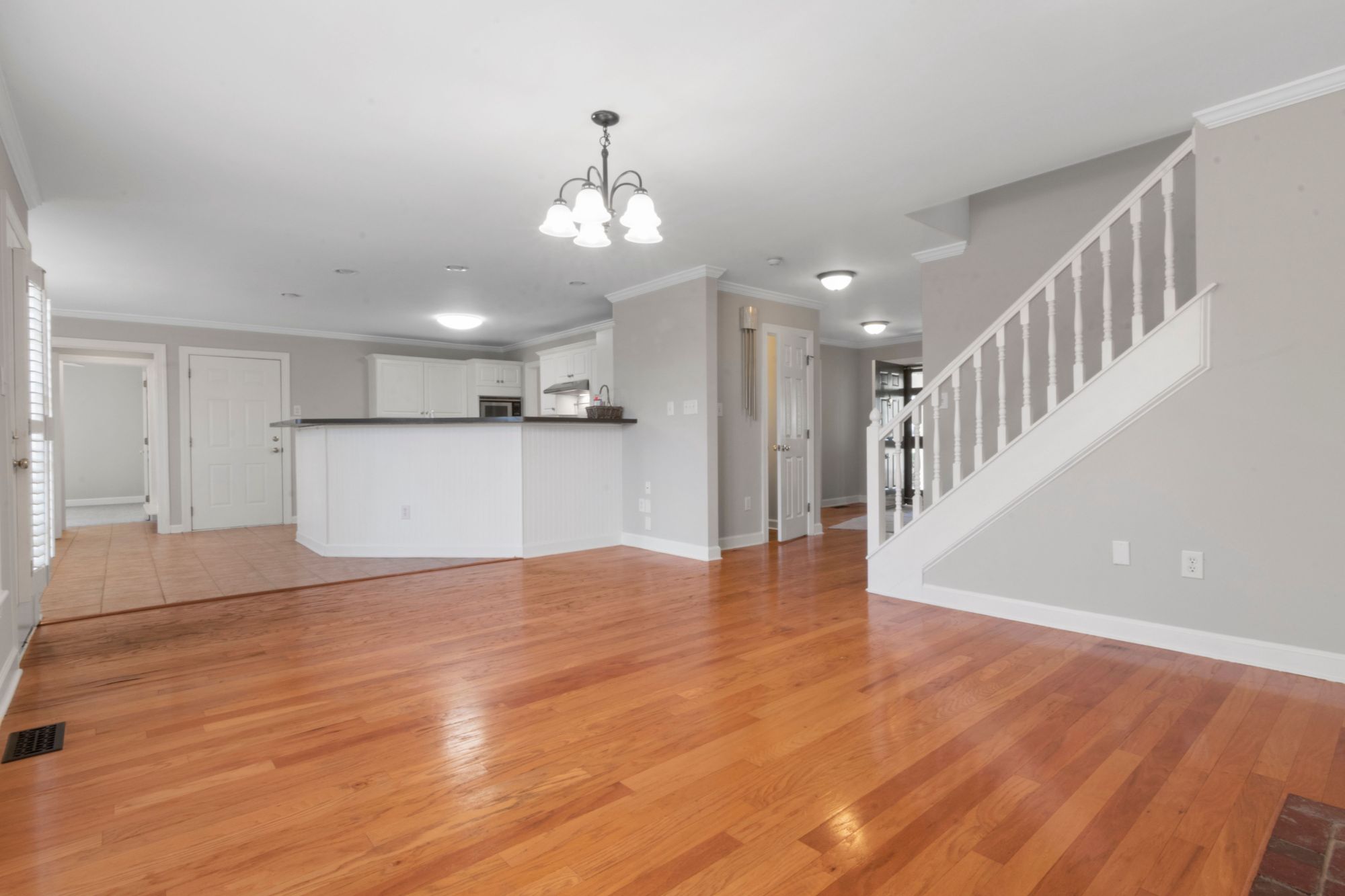
Two homes at the same list price can sell weeks apart, because a buyer is judging the whole package, not just the figure. These are the levers that let you hold your price:
Presentation and Curb Appeal
Professional photos, decluttered rooms, clean surfaces, and a tidy exterior set the buyer's expectation before they ever walk in. In a market where buyers scroll dozens of listings, weak photos put you at the bottom of the value comparison no matter how sound the home is. Presentation is the least expensive lever you control, and it directly supports the price you are asking.
Condition and Pre-Listing Repairs
Small deferred repairs become negotiation ammunition after the inspection. Handling the obvious items before you list, or pricing them in openly, keeps you from reactive credits later. A home in strong shape lets you sit in the upper part of your range because you are reducing the buyer's uncertainty about what they are taking on. Before you decide how hard to price around condition, it helps to know how fast homes sell in San Antonio right now, since days on market and condition pull on the same lever.
Marketing Reach and Listing Exposure
A number only works if the right buyers see it. A well-written listing, wide syndication across the major search portals, and targeted outreach put your home in front of the people already shopping your price band. In a market with more inventory, exposure is what separates a home that draws showings in the first weekend from one that quietly waits. When I market a home for a military family, I also tap the pool of relocating buyers moving to Joint Base San Antonio (JBSA) who are searching the corridor on a timeline, which widens the audience for a well-priced listing.
Terms and Offer Strength
Price is only part of what a buyer weighs. Flexibility on the closing date, a reasonable repair posture, a short leaseback, and openness to a closing-cost credit can make your number more attractive without cutting it. A buyer stretching to cover closing costs and prepaid taxes often values a credit more than an equal price drop, and unlike a cut, that credit keeps your contract price intact for the appraisal instead of lowering the recorded comp for the whole street. I run a net sheet on every offer my sellers get, so we compare take-home dollars rather than headline prices, and a lower offer with strong financing and few contingencies can beat a higher one that carries appraisal or repair risk.
How 2026 Rules and Timing Shape Your Selling Strategy
Pricing does not happen in a vacuum. A couple of 2026 realities change how buyers reach your listing and how you should read early activity:
Working With the Texas Buyer Representation Law
As of January 1, 2026, Texas Senate Bill 1968 requires a real estate license holder to have a written agreement with a prospective buyer before showing residential property or, in many cases, before presenting an offer. In practice, that means the buyers touring your home are more committed than the casual lookers of years past, since they have signed on with an agent to be there. For you as a seller, it reinforces the value of accurate pricing and strong marketing, because the buyers walking through are serious and comparing you against real alternatives. The law is general in nature, so confirm how it applies to your situation with your agent or an attorney.
Reading Early Market Feedback
Your listing hands you real data in the first two weeks, and you have to read it honestly. Strong marketing with few or no showings almost always points at price, not exposure. I review activity with sellers inside the first 10 to 14 days, and if the market is telling us the number is off, we make one clear correction that puts the home back in front of buyers, rather than waiting and hoping. Reading that early signal is what keeps a fixable price problem from becoming a stale listing.
Pricing Around a PCS or Relocation Timeline
Selling on orders adds a clock that a typical seller does not face, and I see this constantly with military families across the corridor. When your report date is fixed, a speed-oriented price that draws offers in the first two weeks is usually worth more than a higher number that risks sitting past your move. I once worked with a family selling ahead of a PCS who were tempted to chase a neighbor's optimistic list price. We priced to the current pending data instead, drew multiple showings the first weekend, and closed on a timeline that fit their orders, without the reduction that a higher start would have forced. Match the strategy to your deadline, not to the number you wish the market would pay.
Selling Your San Antonio Home Without the Reduction
The reason a price cut stings is that it usually means the market already knew something you were hoping to avoid, and by the time you cut, you have spent your strongest two weeks. You do not have to end up there. When you price to what buyers are paying right now, present the home so it reads as the value in its band, and read your early feedback honestly, you put yourself in the position most sellers wish they were in. That is one clean price that holds through to closing.
You know your timeline, your home, and what you need to net. The market gives you the rest of the picture, and it is knowable before you ever hit the market. Line up your comps, watch the pending sales, choose your strategy with intent, and you can sell your San Antonio home this year on your terms rather than the market's, with your proceeds intact and your move on schedule.
Ready to Price Your San Antonio Home With Confidence?
I am Anthony Sharp with Sharp Realty Group, a U.S. Air Force veteran and Military Relocation Specialist who helps sellers across San Antonio, Cibolo, Schertz, and the wider JBSA corridor price their homes to sell without a painful reduction. If you want a data-backed price and a strategy that fits your timeline, let's talk.
Call or text: 210-997-0763
Schedule a time: book a consultation
Email: anthony@sharprealtygrouptx.com
Office: 213 Terramar, Cibolo, TX 78108
Frequently Asked Questions (FAQs)
What is the most important factor when pricing a home in San Antonio in 2026?
The strongest factor is what similar homes are selling for and going under contract for right now, not what they sold for in a hotter market. Buyers in 2026 have more options and shop by monthly payment, so your price has to compete with current listings and recent closed sales in your specific neighborhood, adjusted for condition and features.
Should I price my home high to leave room to negotiate?
In most cases, no. Overpricing tends to cut your showings in the first two weeks, then the home sits long enough that you reduce anyway, often ending below where an accurate price would have landed. A number the market sees as fair usually gives you a stronger negotiating position because buyers treat it as a real value rather than a starting point to grind down.
How do price reductions affect my final sale price?
Reductions can create the impression that something is wrong with the home even when nothing is. Buyers who watch a listing drop often push harder on inspection items because they assume you are already willing to come down. Pricing correctly from day one protects the momentum of those first two weeks, which is usually when your strongest offers appear.
What is a CMA and how is it different from an online estimate?
A comparative market analysis (CMA) is a local review of similar homes that have sold, are pending, and are currently listed, with adjustments for condition, upgrades, and lot. Online estimates can be a starting point, but they often miss condition differences and neighborhood-specific patterns that decide what a buyer will pay. I build a CMA for every seller I work with so the number rests on real local data.
How long should I wait before adjusting my price if showings are slow?
If your listing has strong photos and is actively marketed, a lack of showings in the first couple of weeks usually points to price. I typically review activity within 10 to 14 days and then make one decisive adjustment if the data calls for it, rather than a series of small cuts that stretch out the process and make the listing look stale.
Can pricing slightly below market value help me sell for more?
Sometimes, yes. A clear value price can pull in more showings and competing interest, which can lead to stronger offers and cleaner terms. The approach works when the home presents well and the price is clearly attractive next to nearby alternatives, so buyers feel a reason to act rather than wait.
How do mortgage rates factor into my list price?
Rates drive the monthly payment, and payment is what most buyers shop. When rates are higher, buyers are more sensitive to price, so accuracy matters even more. A home priced to the current market and rate environment reaches more qualified buyers than one priced to a lower-rate memory. Confirm current rates with a licensed lender before you set expectations.
* * *
Disclaimer: This article is general information only and does not consider your individual financial, tax, or legal circumstances. Market data, mortgage rates, and program terms change and are provided as a general guide, not a guarantee. Nothing here guarantees financing, approval, appreciation, or resale value. Before making a decision, speak with a qualified professional such as a REALTOR®, a licensed lender, or an attorney about your specific situation.
Categories
- All Blogs (255)
- BAH (3)
- For Home Buyers (175)
- For Home Sellers (85)
- For Investors (41)
- For Military Service Members (170)
- For Renters (9)
- JBSA (6)
- Local Events (12)
- Local Real Estate News (38)
- Market Updates (40)
- Military Relocation (37)
- Neighborhood Tours (56)
- PCS Move (103)
- Property Tours (4)
- VA Loans (10)
Recent Posts