
Preparing Your San Antonio Home for Sale in 2026: A Seller's Checklist to Sell Faster and Net More

You priced your San Antonio home where your neighbor sold two summers ago, the listing went live, and now it is week five with three showings and no offer. That gap between what a home was worth in 2022 and what it sells for in 2026 is where I watch sellers lose the most money, and it is completely avoidable with the right prep.
Preparing your San Antonio home for sale in 2026 is a different job than it was during the boom, and the sellers who understand that walk away with more. I am Anthony Sharp, a U.S. Air Force veteran and REALTOR® with Sharp Realty Group in Cibolo, and I list and sell homes across the northeast San Antonio corridor every week. Before you set a price, it helps to sort through the active San Antonio listings you will be competing against, because your number lives or dies against them.
This is the same checklist I hand my sellers, built for a market where homes sit longer, buyers negotiate harder, and presentation decides which listing wins. I will walk you through pricing, repairs, staging, timing, and the paperwork, in the order I would if we were standing in your driveway.
Key Takeaways
- San Antonio in 2026 is a slower, more balanced market, so pricing to current comparable sales matters more than chasing a boom-era number.
- Small pre-listing repairs, a deep clean, and light staging tend to shorten days on market and protect your final price.
- Filling out your Texas seller's disclosure early and gathering repair records reduces surprises that stall a deal in the option period.
- Professional photos, correct timing, and a flexible showing schedule are where a well-prepped listing pulls ahead of the competition.
Reading the 2026 San Antonio Selling Market Before You List
Every prep decision starts with an honest read of the market you are selling into, because 2026 does not reward the same moves 2021 did. The pace has changed, and so has the buyer. Here is what I am watching this year:
The Shift Toward a Balanced Market
The San Antonio Board of REALTORS® (SABOR) reported a June 2026 median sale price of $329,730 across the metro, up about 4% from a year earlier, with closed sales up 15% year over year. That sounds hot until you look at the other side of the ledger. Homes averaged roughly 76 days on the market, inventory has climbed to around six months of supply, and sellers received close to 94% of list price on average. In practice, that means buyers have options and patience, and an overpriced or unprepared home gets skipped rather than bid up.
The Rate Backdrop Buyers Are Working Around
Mortgage rates shape how much your buyer can offer. The Freddie Mac 30-year fixed average sat at 6.66% as of July 30, 2026, near its highest level in about a year. Higher rates trim buying power, so the pool of people who can comfortably reach your price is smaller than it was two years ago. That is not a reason to panic, since demand across the metro stayed strong through the first half of the year, but it is a reason to price and prepare with precision rather than optimism.
The Northeast Corridor Picture
The same holds true in the corridor I work. Cibolo, Schertz, Universal City, and Converse have deep new-construction competition, which means your resale home is on the same buyer's screen as a brand-new build with a builder incentive attached. A resale seller wins on price, condition, mature lots, and move-in readiness rather than by matching the builder dollar for dollar. Knowing your specific submarket, down to the neighborhood and price tier, is the difference between a clean sale and a listing that lingers.
Market figures move month to month and vary by source and neighborhood, so treat these as a general guide and ask for a current comparative market analysis on your specific address before you set a price.
Pricing Your San Antonio Home to Sell in 2026
Pricing is the single decision that makes or breaks your timeline, and it is where I see the most avoidable money left on the table. Get it right and prep does the rest; get it wrong and no amount of staging saves you. Here is how I approach it:
Anchoring to Current Comparable Sales
Your price comes from what similar homes near you have closed for in the last 60 to 90 days, not from what a neighbor listed at or what a home fetched during the frenzy. I build a comparative market analysis (CMA) that weighs square footage, condition, lot, updates, and how fast each comp sold. In a market where homes take a couple of months to move, the closed comps tell the truth and the active listings tell you your competition. Most of what stretches out how fast homes sell traces back to a price set too high on day one, which is the one mistake I work hardest to keep sellers from making.
Avoiding the Overpricing Trap
The instinct to price high and leave room to negotiate backfires in 2026. An overpriced home draws few showings, sits, and picks up a long days-on-market count that makes buyers assume something is wrong. By the time you cut the price, you are chasing the market down and netting less than if you had priced it right from day one. A home priced to the current data draws its strongest activity in the first two to three weeks, when your listing is newest and most visible.
Building in Room for Concessions
Buyers this year frequently ask for help, whether that is a rate buydown, closing-cost assistance, or a repair credit. Rather than pricing artificially high to absorb that, I help sellers set a realistic number and plan for a concession strategy separately. For military buyers using a U.S. Department of Veterans Affairs (VA) loan, sellers can contribute up to 4% of the home value toward the buyer's costs, and offering that flexibility can widen your buyer pool in a corridor full of Joint Base San Antonio (JBSA) families.
Making Repairs and Updates That Pay Off

Once the price is set, the goal of every repair dollar is to remove a buyer's reason to hesitate or negotiate down. You are not renovating for yourself; you are clearing objections. I walk each of my listings with a buyer's eye first, then prioritize like this:
Fixing the Small Stuff Buyers Notice First
The little things add up fast in a buyer's mind. Before you list, work through the quick wins:
- Patch nail holes, touch up scuffed paint, and repaint any bold accent wall in a neutral tone.
- Replace burned-out bulbs, dated fixtures, and any switch plate that is cracked or painted over.
- Fix dripping faucets, running toilets, and slow drains, since these read as neglect to a buyer.
- Repair sticking doors, loose cabinet pulls, and squeaky hinges throughout the home.
- Re-caulk tubs, showers, and kitchen backsplashes for a clean, maintained look.
None of these cost much, but together they signal a home that has been cared for, which supports your price during negotiation.
Deciding on the Bigger-Ticket Items
Major systems are where sellers wrestle with whether to spend. A worn roof, an aging heating and cooling unit, or foundation movement will surface in the buyer's inspection, so the question is whether you address it up front or negotiate it later. Sometimes a pre-listing repair protects your price; other times a credit is the cleaner path. In our Texas climate, buyers watch the age of the roof and the air conditioning closely, so I help each seller weigh the cost against the likely negotiation hit before spending. Get bids from licensed contractors so you are working from real numbers.
Considering a Pre-Listing Inspection
One move that often pays for itself is ordering your own inspection before you list. It lets you find problems on your terms, fix or disclose them, and hand buyers a level of confidence that keeps their offer firm through the option period. It will not be a substitute for the buyer's own inspection, but it removes the element of surprise that kills deals late. Talk with a licensed inspector about what a pre-listing review would cover for your specific home.
Staging and Presenting Your Home for San Antonio Buyers
With repairs handled, presentation is what separates the listing that gets an offer from the one buyers scroll past. This is not about spending a fortune; it is about helping a buyer picture their life in your space. Here is where I focus a seller's energy:
Decluttering and Depersonalizing Every Room
A buyer needs to see the house, not your life inside it. Pack away family photos, collections, countertop clutter, and anything that shrinks a room or pulls the eye. I tell sellers to think of it as a head start on the move you are already making. Empty closets and clear counters make spaces feel larger, and larger reads as more valuable on both the walkthrough and the photos.
Staging to the Home's Strengths
Staging works, and the data backs it up. In the National Association of REALTORS® 2025 Profile of Home Staging, the median cost of professional staging ran about $1,500, roughly half of sellers' agents reported it reduced time on the market, and about three in 10 reported it lifted the dollar value of offers by 1% to 10%. You do not have to stage every room to see a benefit. Focus on the spaces buyers weigh most, the kitchen, the living room, and the primary bedroom, and let those carry the impression.
Lifting Curb Appeal Before the Showing
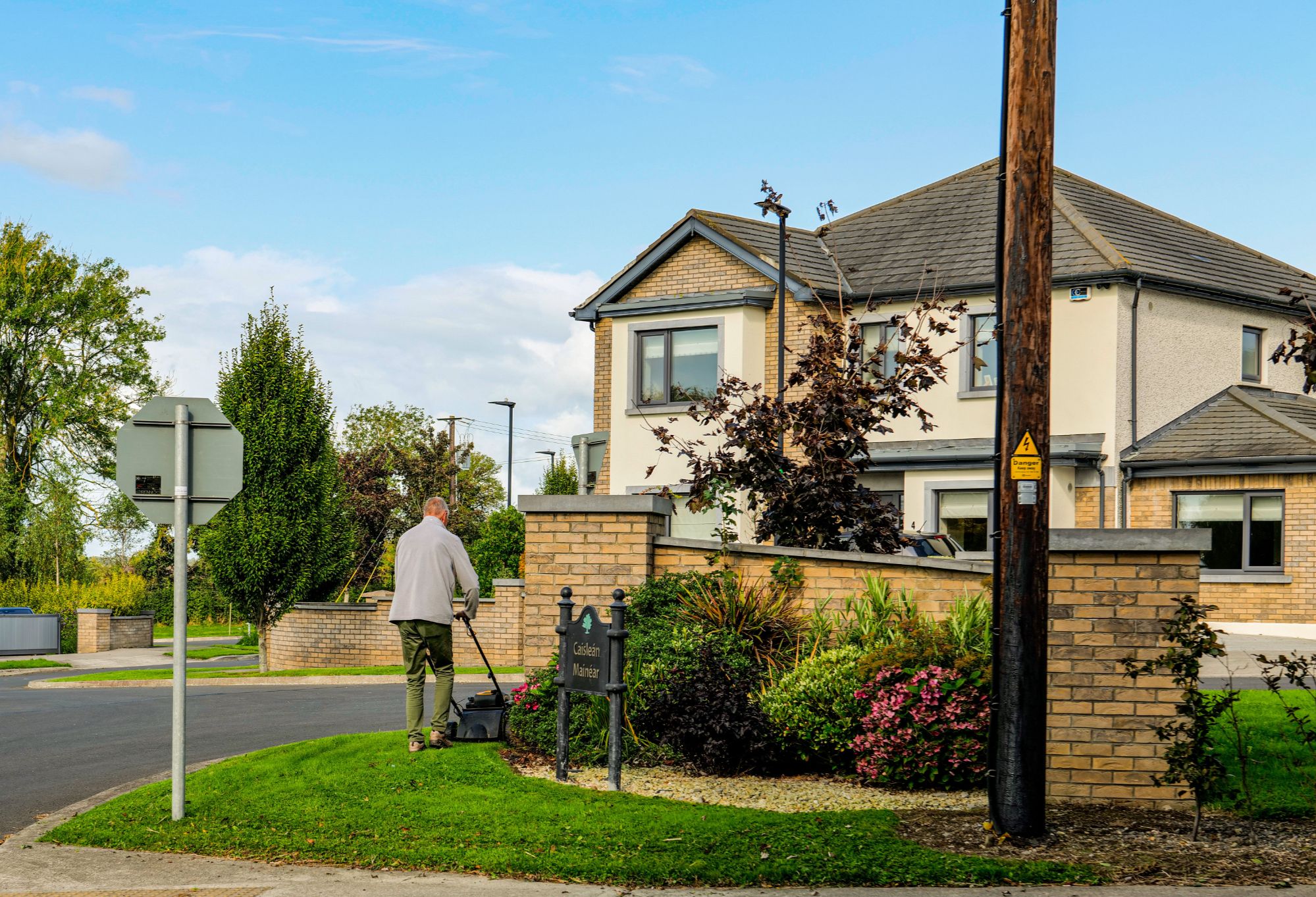
The exterior is the first thing a buyer sees, online and in person, and it sets the tone before they reach the door. Mow and edge the lawn, lay fresh mulch, trim back overgrowth, pressure-wash the driveway and walkway, and add a few potted plants at the entry. In a corridor where buyers often drive by before they ever book a showing, a tidy front yard is what earns you that showing in the first place.
Investing in Professional Photography
Most buyers meet your home on a screen before they meet it in person, so the photos are the listing. Bright, professionally shot images pull more clicks, more saves, and more showings, while dim phone snapshots quietly cost you traffic. I bring in a professional photographer on every listing because the return shows up directly in showing counts, especially for the many out-of-state and military buyers shopping the JBSA corridor from a distance.
Timing, Showings, and Paperwork for a Smooth Sale
The last stretch of prep is the logistics that keep a well-presented home from stalling at the finish. These are the pieces sellers tend to underestimate, and handling them early is what keeps a deal clean. Here is my checklist:
Timing Your Listing to the Market
When you go live matters. Spring into early summer traditionally brings the deepest buyer pool in San Antonio, and the corridor gets an extra push during the May-through-August permanent change of station (PCS) season, when military families relocating to JBSA hit the market on a clock. That said, a well-priced, well-prepared home sells in any season, and listing during a quieter stretch can mean less competition on the shelf. I help each seller weigh their own timeline against the calendar rather than forcing a date.
Keeping the Home Show-Ready
Once you are live, the home has to stay ready to show on short notice, because the buyer who cannot get in this evening books the other listing instead. Keep surfaces clear, blinds open, and lights on, and have a plan to get pets and clutter out the door quickly. Whenever you can, leave during a showing so buyers feel free to linger and talk openly, which is often where an offer starts to form.
Handling the Texas Seller's Disclosure
Texas law requires most sellers of a previously occupied home to give the buyer a written seller's disclosure notice describing the property's known condition. Filling it out early and honestly protects you from disputes later and keeps a buyer's confidence high. The standard form the state publishes through the Texas Real Estate Commission covers every category a buyer will expect, and I have sellers complete it before we list so nothing surfaces mid-deal. For anything involving legal exposure or a tricky disclosure question, talk with a real estate attorney about your specific situation.
Gathering Your Documents Up Front
A little paperwork prep keeps the closing on schedule. Before you list, pull together the records buyers and title companies tend to ask for:
- Recent utility bills so buyers can gauge monthly running costs.
- Receipts and warranties for the roof, heating and cooling, water heater, and any major repairs.
- Homeowners association documents, rules, and current dues if your neighborhood has one.
- Survey, title information, and any permits for additions or improvements.
- A list of what conveys with the home, from appliances to mounted fixtures.
Having these ready reduces the back-and-forth that slows a deal, and it signals to a buyer that you run a tight ship. Treat this list as a general guide, since your specific home and neighborhood may call for more.
Listing With Confidence in a Market That Rewards Prep
The listing that sat for five weeks with no offer was not a market problem; it was a preparation problem, and you now have the fix in front of you. When your price matches the current data, your repairs clear the obvious objections, your home shows bright and uncluttered, and your paperwork is ready before the first offer, you stop competing on hope and start competing on strength. That is the position that gets a San Antonio home sold faster and closer to its full value in 2026.
You do not have to sort all of this alone or guess which repairs are worth the money. With a clear checklist and a read on your specific corridor, selling in a slower market becomes a process you control rather than one that controls you. When your home is ready and priced right, the offers tend to follow, and you get to move on to whatever comes next with money and momentum on your side.
Frequently Asked Questions (FAQs)
How long does it take to sell a house in San Antonio in 2026?
Homes across the metro averaged roughly 76 days on the market in mid-2026, up from the faster pace of a few years ago. A well-priced, well-prepared home often draws its strongest interest in the first two to three weeks, while an overpriced or unready one tends to sit and then require a price cut. Your specific timeline depends on your neighborhood, price tier, and condition, so ask for a current days-on-market read for your area before you list.
Is 2026 a good time to sell a home in San Antonio?
It can be, depending on your goals and your prep. Prices across the metro were up about 4% year over year in June 2026 and sales rose 15%, so demand is real, but inventory is fuller and buyers negotiate more than they did during the boom. Sellers who price to current data and prepare their home well are the ones capturing that demand. Whether it is the right time for you depends on your equity, your next move, and your timeline.
How much should I spend on repairs before selling?
Focus your dollars where they remove a buyer's objection rather than on a full renovation. Low-cost fixes like paint, lighting, minor plumbing, and caulking almost always pay off in how the home shows. Bigger items like a roof or air conditioning unit are a judgment call between fixing up front or offering a credit, and that decision depends on your home's condition and your local comps. Get bids from licensed contractors so you are deciding from real numbers.
Does staging really help a home sell faster?
The evidence points that way, though the size of the effect varies. In the National Association of REALTORS® 2025 staging survey, about half of sellers' agents reported staging reduced time on the market and roughly three in 10 saw a modest bump in offer value, with a median professional staging cost near $1,500. You do not have to stage the whole house; concentrating on the kitchen, living room, and primary bedroom usually delivers most of the benefit.
Do I have to fill out a seller's disclosure in Texas?
In most cases, yes. Texas law requires sellers of a previously occupied single-family home to provide a written seller's disclosure notice covering the property's known condition, with limited exemptions. Completing it early and honestly protects you from disputes down the road. You can find the standard form through the Texas Real Estate Commission, and for any complex disclosure question it is worth speaking with a real estate attorney.
Should I sell my San Antonio home before or after buying my next one?
That depends on your finances and your risk tolerance, and it is one of the most common questions I get from corridor sellers, including military families timing a sale around a PCS. Selling first gives you certainty on your proceeds but may mean an interim move; buying first avoids that but carries the risk of two payments. I help sellers map both paths against their equity and timeline so the choice fits their situation rather than a rule of thumb. Talk with a lender about your numbers before you commit either way.
Ready to Prep Your San Antonio Home to Sell for More?
I am Anthony Sharp with Sharp Realty Group, a U.S. Air Force veteran and Military Relocation Specialist who helps sellers across San Antonio, Cibolo, Schertz, and the wider JBSA corridor prepare, price, and sell with a clear plan. If you want a walkthrough of what your home needs and a real read on your number, let's talk.
Call or text: 210-997-0763
Schedule a time: book a consultation
Email: anthony@sharprealtygrouptx.com
Office: 213 Terramar, Cibolo, TX 78108
* * *
Disclaimer: This article is general information only and does not consider your individual financial, tax, or legal circumstances. Market data, mortgage rates, and program terms change and are provided as a general guide, not a guarantee. Nothing here guarantees a sale, a specific price, appreciation, or resale value. Before making a decision, speak with a qualified professional such as a REALTOR®, a licensed lender, or an attorney about your specific situation.
Categories
- All Blogs (257)
- BAH (3)
- For Home Buyers (177)
- For Home Sellers (85)
- For Investors (41)
- For Military Service Members (170)
- For Renters (9)
- JBSA (6)
- Local Events (12)
- Local Real Estate News (38)
- Market Updates (41)
- Military Relocation (39)
- Neighborhood Tours (57)
- PCS Move (103)
- Property Tours (4)
- VA Loans (10)
Recent Posts