

What Six Months of Housing Inventory Means for Cibolo and Schertz Buyers in 2026

You keep reading that San Antonio has "six months of housing inventory" and that it is finally a buyer's market, but the home you actually want in Cibolo still went pending in a week while the one two streets over has sat empty since spring. That contradiction is real, and it is exactly why a single citywide number can steer a Cibolo or Schertz buyer straight into a bad decision.
I am Anthony Sharp, a U.S. Air Force veteran and REALTOR® with Sharp Realty Group here in Cibolo, and reading that number right is the first thing I walk buyers through before we tour a single listing. Months of inventory is the clearest read we have on who holds leverage, but it only helps once you see how it breaks down street by street across the northeast corridor. Before you start comparing the homes for sale in your price range, it pays to know what that number is really telling you about your odds.
The short version is that a balanced-to-buyer-leaning market gives you time, choices, and room to negotiate that buyers here have not had in years. The longer version is that the leverage is uneven. Some price points and neighborhoods still move fast, while others give you weeks to think. I want to show you how to read the inventory number the way I do, so you can tell which situation you are actually standing in.
Key Takeaways
- Months of inventory measures how long it would take to sell every listed home at the current sales pace, and the metro has climbed to roughly six months, near the historical balanced mark for Texas.
- Around six months signals a balanced-to-buyer-leaning market, which typically means more choices, longer decision time, and real room to ask for concessions.
- The citywide figure hides big swings, so a well-priced Cibolo home can still move fast while an overpriced one sits for weeks.
- Your smartest move is to check inventory for your specific price band and neighborhood, then set your offer strategy to match.
What Months of Housing Inventory Actually Measures
Before the number can help you, it helps to know what it counts and what it leaves out. Months of inventory is a supply gauge, not a price prediction, and treating it as one keeps you grounded:
The Calculation Behind the Number
Take the active listings on the market and divide by the number of homes selling per month. If 600 homes are for sale and 100 sell in a typical month, that is six months of supply, the time it would take to clear the shelf if nothing new came on and the pace held. It answers one question well. How much choice do buyers have relative to how fast homes are leaving? When supply rises faster than sales, the number climbs and leverage shifts to buyers. When sales outrun new listings, it falls and sellers regain the upper hand.
The Thresholds That Signal Who Holds Leverage
The rough rule of thumb most agents use is straightforward. Under about three months tends to favor sellers, roughly three to six months is considered balanced, and above six months leans toward buyers. For a benchmark that is not tied to any brokerage, the Texas Real Estate Research Center pegs around 6.5 months as the long-run balanced line for the state, which you can treat as the point where neither side holds a structural edge. That figure comes from a public university, not a listing site with something to sell you.
The Limits Worth Remembering
The number is a snapshot, not a forecast. It tells you about supply and pace, but it does not tell you where prices are headed next month, and it does not account for the seasonal slowdown that shows up around the holidays every year. It also lumps every home together, so a metro reading blends a starter home in one town with a luxury build in another. That blending is where most buyers get tripped up, and it is why I never let a single citywide figure decide anything on its own.
Where San Antonio Inventory Sits Heading Through 2026
The corridor buyers I work with want to know where the number actually is right now, not in the abstract. Here is the current read and what has been pushing it, based on the latest figures I track:
The Current Metro Reading
The San Antonio Board of REALTORS® (SABOR) reported months of inventory for the San Antonio-New Braunfels metro at about 5.5 in January 2026, and it has since drifted up toward roughly six months by mid-year as active listings kept growing. The metro median sale price has held in the low-to-mid $300,000s, and homes have been taking anywhere from the high 70s to around 100 days to sell depending on the month, a real jump from the frantic pace of a few years back. The metro has moved out of a seller's market and into balanced-to-buyer-leaning territory, which is the backdrop for everything below. These figures move, so treat them as a general guide and confirm the current month with your agent before acting.
The Forces Pushing Inventory Up
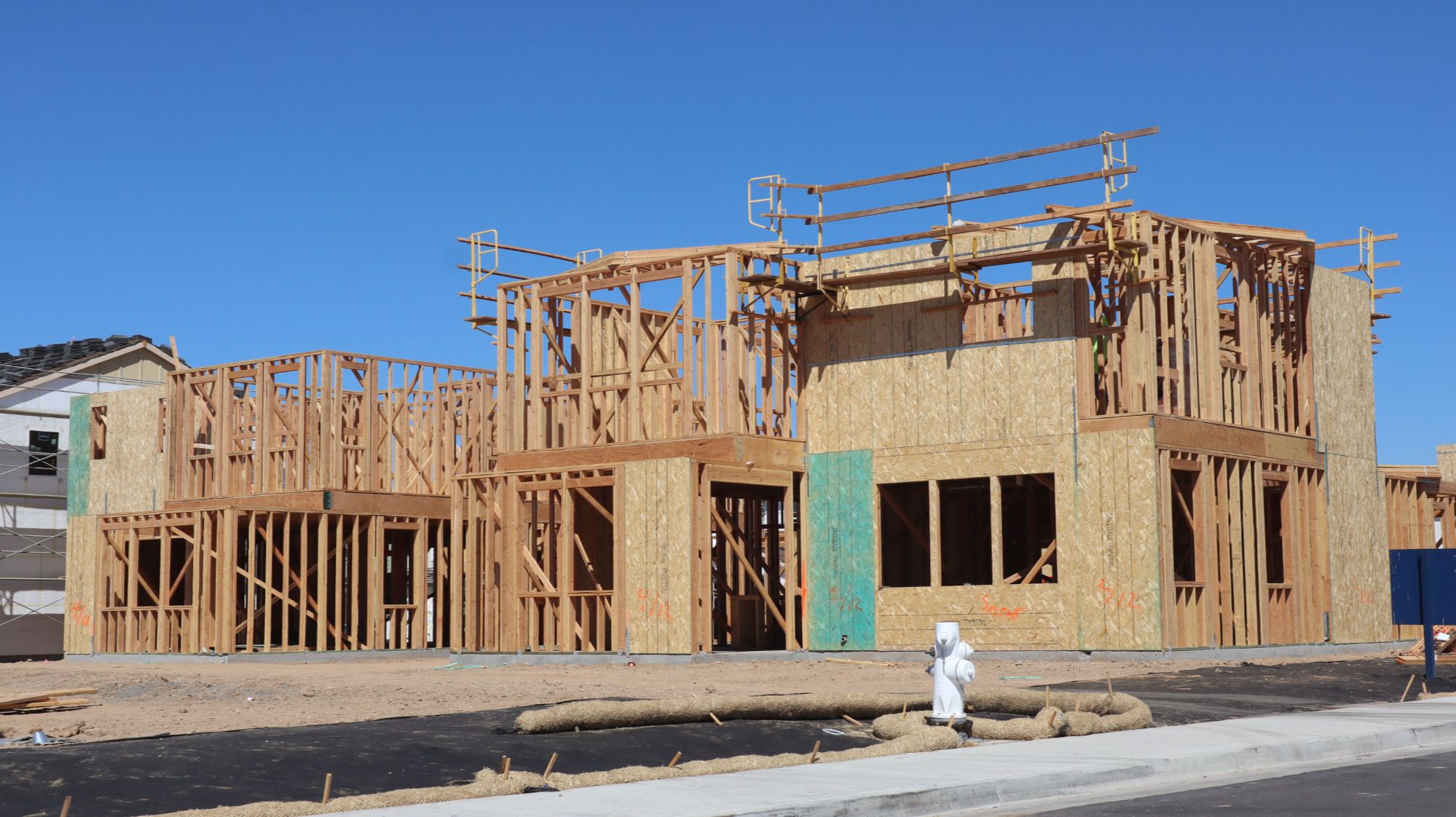
A few things are behind the climb. New construction has stayed active across the northeast side and out along the growth corridors, adding standing inventory that inflates the citywide count. Mortgage rates in the mid-6% range, with the Freddie Mac 30-year fixed average at 6.58% as of July 23, 2026, have kept some buyers cautious and stretched out decision timelines. And homes that would have sold in a weekend in 2021 now sit long enough to stack up. More supply plus a steadier sales pace lifts the number, which is exactly what we are seeing.
The Reason the Headline Feels Off
Here is where the metro number and your lived experience part ways. That six-month figure blends far-flung new-build subdivisions on the edges of the metro with established neighborhoods closer in, and the two behave nothing alike. When you read "buyer's market" but watch a Cibolo listing go pending in days, you are not imagining it. You are seeing the gap between a broad average and the narrow slice you are actually shopping. The flip side of that gap explains a lot about why some San Antonio homes sit longer than the number would suggest, usually because they are priced ahead of their own pocket of the market.
Why the Cibolo and Schertz Numbers Differ From the Metro
The corridor deserves its own read, because zooming from the metro down to Cibolo and Schertz changes the picture in ways that matter for your offer. A few local realities drive the difference:
Local Supply Runs on Its Own Clock
Cibolo and Schertz carry their own inventory rhythm, shaped heavily by how much new construction is delivering in a given quarter and how many resale owners decide to list. Recent third-party trackers have shown Cibolo homes taking well over three months on the market on average and a median sale price up around the low $400,000s, which reads slower and pricier than the metro blend. That does not mean everything is stalled. It means the corridor can look softer than San Antonio overall in one month and tighter in the next, so the local number is the one worth watching, not the headline.
School Zones and Commutes Concentrate Demand
Buyers in this corridor cluster around specific factors, and that concentration keeps some pockets moving even when overall supply is up. Proximity to Randolph Air Force Base, quick access to Interstate 35 and FM 3009, and homes zoned to the Schertz-Cibolo-Universal City Independent School District (SCUCISD) all pull steady interest. When a well-kept, correctly priced home checks those boxes, it can still draw multiple showings fast. I have watched a sharp listing in the right pocket field competing interest in its first weekend while a similar home priced too high a mile away collected nothing but crickets.
Price Bands Behave Differently
Inventory is not one market, it is several stacked on top of each other. Entry-level homes that fit a first-time or military buyer's budget tend to have fewer months of supply and move quicker, because that is where the most buyers are competing. Move-up and higher-end homes often carry more months of inventory and give you more negotiating room. So the same corridor can be a seller's market at one price and a buyer's market at another on the very same day. Knowing which band your target home sits in tells you more than any citywide average ever will.
How a Balanced Market Changes Your Buying Strategy
Once you know roughly where inventory sits for your price band and neighborhood, the number stops being trivia and starts shaping how you write an offer. Here is how the leverage translates into moves:
| Market Read | What It Looks Like | How I Coach Buyers |
|---|---|---|
| Under 3 months | Fast pending, few options, competing offers | Move quickly, keep terms clean, limit contingencies |
| 3 to 6 months | Steady pace, real selection, some price cuts | Negotiate on price and repairs, ask for reasonable terms |
| Over 6 months | Homes linger, sellers motivated, room to ask | Request concessions, rate buydowns, or closing help |
Using Your Extra Time Wisely
A balanced market hands you something a hot market never does, which is time to be deliberate. You can tour a home twice, sleep on it, and bring in a thorough inspection without the fear that three other offers will beat you to the punch. That breathing room is the single biggest gift of higher inventory, and I tell my buyers to use it rather than rush out of old habits. Time lets you catch the deferred maintenance, walk the neighborhood at rush hour, and confirm the commute to the gate before you commit.
Asking for Concessions Without Overreaching
When homes sit longer, sellers grow more willing to help, and that opens doors that were shut tight a few years ago. Depending on the specific listing and how long it has been available, you may have room to ask for one or more of the following:
- A price reduction on a home that has lingered past the local average days on market.
- Seller-paid closing costs that lower the cash you bring to the table.
- A mortgage rate buydown that trims your payment in the early years.
- Repairs or credits for items flagged during your inspection.
- A home warranty covering major systems for your first year of ownership.
- A flexible closing date that lines up with a report date or a lease ending.
These are possibilities, not promises, and what a given seller will accept depends on their situation as much as the market. Rates, credits, and loan figures shift often, so confirm the current terms with a licensed lender before you count on any of them.
Avoiding the Wait-for-the-Bottom Trap
The flip side of extra leverage is the temptation to wait for a clearer signal that never quite arrives. Trying to time the exact bottom usually costs buyers the leverage they already hold, because rates and competition can both move faster than prices. If the payment works for your budget and the home fits your life, a balanced market is a reasonable time to act rather than a reason to keep sitting. Nobody can promise where rates or prices go next, so I steer buyers toward the numbers they can control today.
What Six Months of Inventory Means for Military and PCS Buyers
Service members moving to Joint Base San Antonio (JBSA) face a clock that civilian buyers do not, and the inventory picture affects that timeline in ways worth spelling out:
More Choice Around a Firm Report Date
A permanent change of station (PCS) rarely gives you the luxury of a long, leisurely search, and higher inventory helps here. With more homes on the market across Cibolo and Schertz, you have a better shot at finding one that fits your family and your report date without settling for the only thing available. When I served, I knew the difference a short gate commute makes to daily life, so I push my military clients to weigh that access alongside the floor plan rather than grabbing the first option.
Leverage That Pairs With a VA Loan
A balanced market and a U.S. Department of Veterans Affairs (VA) loan can work well together. When sellers are motivated, the seller-paid closing costs and rate help you can negotiate stack nicely on top of the zero-down structure many VA buyers use, which can lower both your cash to close and your early payment. Leverage only counts once it shows up in the offer, though, and the mechanics of winning a well-priced San Antonio home are where a motivated seller turns into real savings on your closing statement.
A Local Read Over the National Headline
Military families often research from another base or another state, and the easy mistake is anchoring to a national headline that has nothing to do with the corridor. National inventory and San Antonio inventory can point in different directions in the same month, and the corridor can differ again. Before you set expectations for your house-hunting trip, get the read for the specific towns and price band you are targeting so your plan matches the ground truth here.

Reading the Corridor With Confidence
The headline that rattled you, six months of inventory and a so-called buyer's market that did not match what you saw on the ground, should feel a lot less confusing now. You know the number measures supply against sales pace, that around six months signals balance leaning your way, and that the citywide figure blends together markets that behave nothing alike. Most of all, you know to look at the slice you are actually shopping, your town and your price band, before you decide what kind of market you are in.
That is the position I want every buyer in Cibolo and Schertz standing in before they write an offer. When you read inventory this way, the noise quiets down and the decision gets clear. You will know whether to move fast on a home that will not last or take your time and ask for concessions on one that will, and you will make that call from a place of confidence rather than a headline you half-trusted.
Ready to Read the Corridor Together?
I am Anthony Sharp with Sharp Realty Group, a U.S. Air Force veteran who helps buyers and military families make sense of the numbers across Cibolo, Schertz, and the JBSA corridor. If you want the current inventory read for your target neighborhood and price band, along with a plan for your timeline, let's talk.
Book a 60-minute seller consultation
Email: anthony@sharprealtygrouptx.com
Office: 213 Terramar, Cibolo, TX 78108
Frequently Asked Questions (FAQs)
What does six months of housing inventory mean for a buyer?
Six months of inventory means it would take about six months to sell every listed home at the current pace, which is generally read as a balanced market tilting toward buyers. For you, that usually translates into more homes to choose from, more time to decide, and more room to negotiate on price or terms than a fast seller's market allows. The exact leverage still depends on your specific neighborhood and price range.
Is Cibolo or Schertz currently a buyer's market or a seller's market?
The broader San Antonio metro has moved into balanced-to-buyer-leaning territory in 2026, and the Cibolo-Schertz corridor generally follows that trend, though it runs on its own supply clock. The honest answer is that it depends on the price band and the specific home, since entry-level listings can still move quickly while higher-priced homes give buyers more leverage. Checking the current local number for your target range is the only way to know for sure.
Why do well-priced Cibolo homes still sell fast in a buyer's market?
Because the citywide inventory number is an average that blends slow segments with fast ones. A correctly priced, well-kept home near desirable schools, a short commute to Randolph Air Force Base, or in a sought-after price band can still draw strong interest even when overall supply is up. The homes that sit tend to be the ones priced ahead of the current market, not the market as a whole.
How is months of inventory calculated?
You divide the number of active listings by the number of homes selling per month. If there are 600 homes for sale and 100 sell in a typical month, that is six months of inventory. It is meant to show how long the current supply would last at the present sales pace if no new homes were listed, which is why it is treated as a supply-and-demand gauge rather than a price forecast.
Should I wait for inventory to rise even more before buying?
That is a personal call, and nobody can reliably predict where inventory, rates, or prices go next. Waiting for a precise bottom often costs buyers the leverage they already have, because rates and competition can shift faster than prices do. If the payment fits your budget and a home meets your needs, a balanced market can be a reasonable time to move. Talk with a lender and your agent about your specific numbers before you decide.
Does higher inventory help military buyers using a VA loan?
It often does. More supply gives you a better chance of finding a home that fits your family and your report date, and motivated sellers may be more open to covering closing costs or a rate buydown that pairs with the zero-down structure many VA buyers use. Working with a Realtor and lender who know the JBSA corridor and VA financing helps you turn that leverage into a competitive offer.
* * *
Disclaimer: This article is general information only and does not consider your individual financial, tax, or legal circumstances. Market data, mortgage rates, and program terms change and are provided as a general guide, not a guarantee. Nothing here guarantees financing, approval, appreciation, or resale value. Before making a decision, speak with a qualified professional such as a REALTOR®, a licensed lender, or an attorney about your specific situation.
Categories
- All Blogs (282)
- BAH (4)
- For Home Buyers (197)
- For Home Sellers (92)
- For Investors (44)
- For Military Service Members (187)
- For Renters (10)
- JBSA (7)
- Local Events (12)
- Local Real Estate News (40)
- Market Updates (43)
- Military Relocation (42)
- Neighborhood Tours (58)
- PCS Move (110)
- Property Tours (7)
- VA Loans (15)
Recent Posts