
The Blue Tape Inspection: 5 Critical Things to Check Before Your New Home Closing
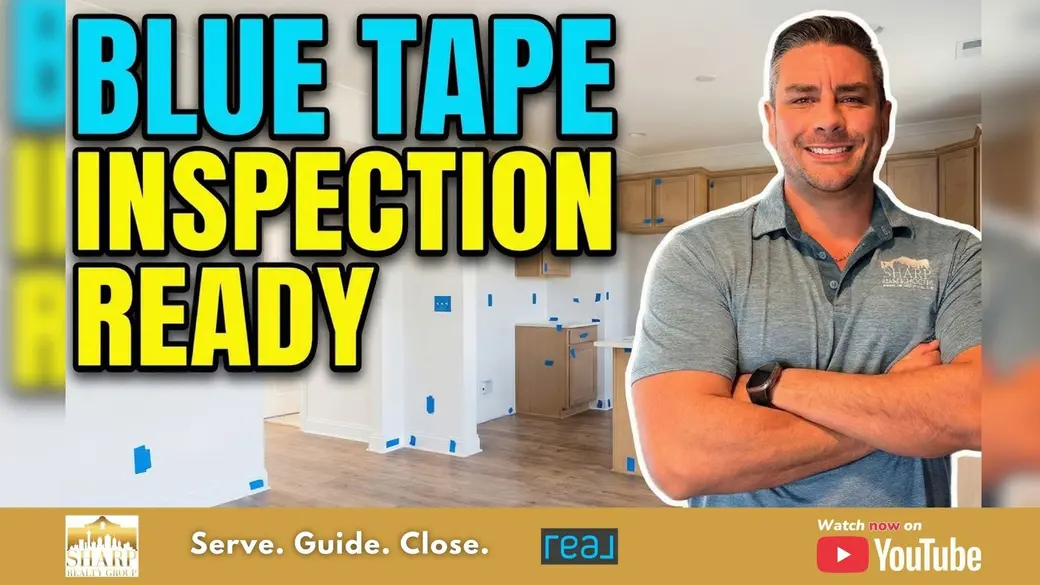
When my wife and I walked into our first blue tape inspection, we thought everything looked perfect. By the end of that day, we had over 60 pieces of blue tape marking issues throughout our new construction home.
Watch My Complete Blue Tape Inspection Guide
I walked through every detail of the blue tape inspection process in this video. I share real examples from my own home purchase and the mistakes we made so you don't have to.
You'll see exactly what to look for, how to mark issues properly, and how to hold your builder accountable.
─────────────────────────────────
Buying a New Build in San Antonio? Don't Go It Alone.
New construction homes look perfect on the surface — but the details matter at closing. Anthony Sharp is a San Antonio REALTOR and USAF veteran who has personally been through the new build process and knows exactly what builders try to get away with. Whether you're PCSing to JBSA or buying local, he'll be in your corner from contract to keys.
📞 Ready to talk? Call or text Anthony directly at (210) 385-3547 — or start a chat on this page and Olivia will connect you right away.
Watch the full video here:
If you're preparing for your blue tape inspection or building a new home in San Antonio, this video breaks down everything you need to know. Subscribe to Sharp Moves for more San Antonio real estate insights that actually help you make better decisions.
That eye-opening experience taught me that the blue tape inspection isn't just another box to check. It's your final and most important opportunity to ensure your builder delivers the quality home you paid for before they hand over the keys.
As a San Antonio Realtor and Military Relocation Expert, I've guided hundreds of families through this process. Military families using VA loans to build near Joint Base San Antonio especially need to understand this critical walkthrough. San Antonio ranks 8th in the nation for new home construction, which means more families than ever need to master the blue tape inspection process.
Ready to start your home search? Whether you're building new construction or buying an existing home near JBSA, my team at Sharp Realty Group specializes in military relocations and VA loans. Visit sharprealtygrouptx.com to get started.
What Is a Blue Tape Inspection?
The blue tape inspection, also called the blue tape walkthrough or final walkthrough, happens after construction is complete but before you close on your new home. You walk through with your realtor, inspector, and sometimes the builder's representative to identify any imperfections, defects, or unfinished work.
Every issue gets marked with blue painter's tape and added to the builder's punch list. This is the final list of items they must fix before closing.
Unlike buying a resale home where you're purchasing "as is," new construction should be delivered turn-key ready. This inspection is your chance to hold the builder accountable for quality and ensure everything functions properly before you take ownership.
The 5 Most Critical Areas to Inspect
Wall Quality, Texture, and Paint Inconsistencies
The first thing my wife and I noticed during our inspection was how different the paint looked depending on the lighting. Natural sunlight reveals everything, roller marks, drips, uneven spray patches, and mismatched textures that you'd never see under dim builder lighting.
Walk slowly through every room and examine walls from multiple angles. Look for nail pops in the drywall, especially around window frames and corners where settling commonly causes issues.
The National Association of Home Builders states that new construction walls should appear uniform from a normal standing distance. That means consistent texture and no visible roller lines in natural light. Trust me, it's much easier to have painters fix these issues while they're still on site rather than after you've moved in all your furniture.
Floors, Gaps, and Transition Levels
My wife spotted a tiny gap between the kitchen tile and baseboard that I completely missed. That small gap later became an entry point for ants and drafts, exactly the kind of problem you want to catch during your blue tape inspection.
Check carefully for lippage, which is uneven tile edges. Look for gaps between flooring and baseboards, loose planks or hollow spots in hardwood or laminate, and scratches from construction crews.
Pay special attention to uneven transitions between different flooring materials. Floors should be level within acceptable tolerances, transitions should be smooth, and all gaps should be properly sealed. Your floors take the most wear and tear in your home, so fixing installation problems now will save you thousands in repairs later.
Doors, Cabinets, Drawers, and Alignment Issues
One of the most common issues we found was a cabinet drawer that wouldn't close all the way. At first I thought it was just tight from being new, but it was actually installed crooked.
Test every single door and drawer in your home. Cabinet doors should align within 1/16th of an inch by code, and builders know this. They just don't always go back and adjust everything unless you catch it.
Check that all doors latch correctly without rubbing. Make sure drawers open fully and smoothly, closet doors roll or slide evenly, and front door weather stripping seals properly with no sunlight visible around the edges. These seem like small details, but they affect your daily life and your home's energy efficiency.
Electrical, Lights, Outlets, and Switch Placements
Here's something most families forget during their blue tape inspection: testing every single switch and outlet. During our walkthrough, we found one bedroom where two light switches didn't control anything, the electrician forgot to connect the circuit.
Bring a phone charger and test every outlet in every room. Turn on every light fixture and ceiling fan. Check GFCI outlets in bathrooms and the kitchen for proper function.
Verify exterior lights work. Confirm smoke detectors are installed and powered. Make sure switches are labeled correctly.
The National Electric Code requires all outlets to be operable and properly grounded before occupancy. If something doesn't work during your inspection, it becomes much more frustrating to fix after closing.
Windows, Seals, Frames, and Air Drafts
This is the area that came back to haunt us. We missed a small gap in the caulking around one window, and during the first heavy rain, water slowly crept inside the wall cavity.
Open and close every window to ensure smooth operation. Look carefully for cracks or chips in the glass, after you move in, the builder will assume you caused any damage.
Check for inconsistent caulking around window frames both inside and out. Inspect exterior seals for gaps. Look for scratches or cracks in the frames.
Verify locks line up correctly. Place your hand around each window frame and feel for drafts or temperature differences. Properly installed windows prevent moisture intrusion and air leakage, which directly impacts your energy bills.
With San Antonio's heat and occasional severe weather, proper window seals are non-negotiable.
Special Considerations for Military Families
As a US Air Force veteran and Military Relocation Specialist, I work with military families building new homes near Joint Base San Antonio every single week. The blue tape inspection is especially critical for military buyers because you're often coordinating this walkthrough around PCS orders, deployment schedules, and VA loan timelines.
VA construction loans offer incredible benefits, no down payment, no mortgage insurance, and more relaxed credit guidelines compared to conventional construction loans. However, VA construction projects require department inspections and VA-approved builders, which means your blue tape inspection needs to align with VA appraisal requirements.
I always advise my military clients to schedule their blue tape inspection with enough buffer time before closing in case significant repairs are needed. San Antonio's strong military presence means builders here are generally familiar with VA loan requirements and military timelines.
What to Bring to Your Blue Tape Inspection
Based on my experience conducting hundreds of these walkthroughs, here's what you absolutely need. Bring a phone charger to test every outlet, a flashlight to check dark corners and closets, and a notebook to document issues beyond the blue tape.
Take your camera or smartphone to photograph problems. Bring your purchase agreement and builder specifications for reference.
Most importantly, bring a trusted realtor who knows what to look for. That's where I come in.
The inspection typically takes 2-4 hours depending on the home size. Don't rush this process. You're making one of the biggest investments of your life, and this is your last chance to get it right before closing.
What Happens After the Blue Tape Inspection?
After you mark all issues with blue tape, the builder creates a punch list of repairs. The builder's crews will complete these repairs, then you'll typically do a final walk-through before closing to verify everything on the punch list was addressed properly.
Be aware that some builders try to push back on legitimate concerns or minimize issues. This is where having an experienced realtor in your corner makes all the difference.
I've negotiated hundreds of punch lists and know exactly which issues builders must fix by code versus items they might try to call "cosmetic" or "within tolerance." Your builder should fix everything that doesn't meet building codes, contract specifications, or reasonable quality standards.
Need an advocate during your new construction purchase? My team at Sharp Realty Group has extensive experience with San Antonio builders, VA construction loans, and military relocations. We'll make sure your builder delivers the quality home you deserve.
Frequently Asked Questions
How long does a blue tape inspection take?
Most blue tape inspections take 2-4 hours depending on your home's size and the number of issues found. Don't rush this process, thoroughness now prevents headaches after closing.
Can I bring my own home inspector to the blue tape walkthrough?
Absolutely, and I highly recommend it. While you'll do your own blue tape walkthrough, having a professional inspector identify issues you might miss provides an extra layer of protection.
What if the builder refuses to fix items I marked during the blue tape inspection?
Builders must fix anything that violates building codes, doesn't meet contract specifications, or falls below reasonable quality standards. This is why having an experienced realtor and potentially a home inspector document issues is crucial.
Is the blue tape inspection the same as the final walkthrough?
Sometimes these terms are used interchangeably, but technically the blue tape inspection happens first to create the punch list. Then you do a final walkthrough after repairs to verify completion before closing.
Do VA loans require a blue tape inspection?
While the VA doesn't specifically mandate a "blue tape inspection," they do require the home to meet VA Minimum Property Requirements and pass VA appraisal. The blue tape inspection is your opportunity to ensure the home meets these standards.
What happens if I miss something during the blue tape inspection?
Most builders offer a one-year warranty on workmanship and materials, so you can still address issues after closing. However, it's much easier and faster to fix problems before you close and move in.
This inspection is your final checkpoint before your builder turns over the keys. My wife and I learned this the hard way during our first home purchase, but you don't have to. Take your time, be thorough, and don't let the builder rush you through this process.
If you're building a new home in San Antonio or relocating to the area for military service, I'd be honored to walk alongside you through this process. Visit sharprealtygrouptx.com or reach out directly, let's make your move to San Antonio a sharp one.
Categories
- All Blogs (266)
- BAH (3)
- For Home Buyers (185)
- For Home Sellers (89)
- For Investors (41)
- For Military Service Members (178)
- For Renters (9)
- JBSA (6)
- Local Events (12)
- Local Real Estate News (39)
- Market Updates (41)
- Military Relocation (40)
- Neighborhood Tours (57)
- PCS Move (105)
- Property Tours (5)
- VA Loans (12)
Recent Posts