
Cibolo vs New Braunfels: Which Texas Suburb Wins in 2026?
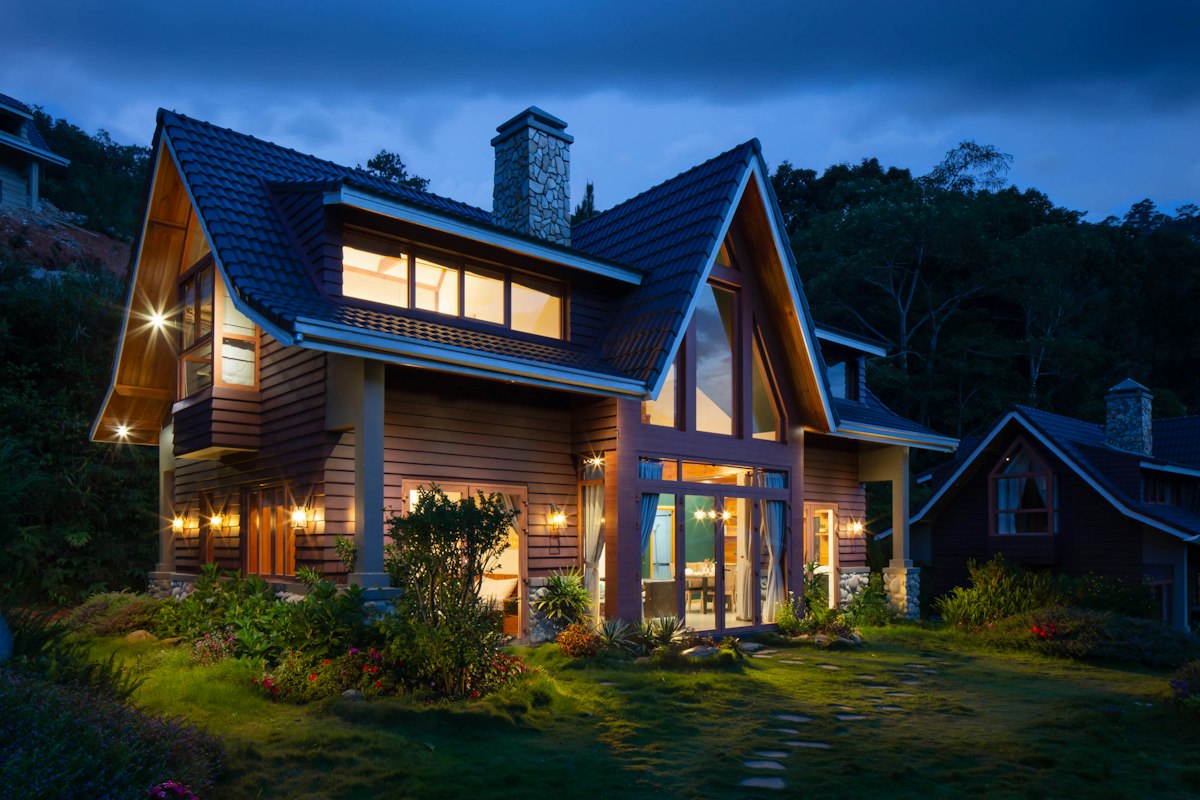
Cibolo or New Braunfels in 2026? Two Very Different Texas Suburbs
I'm Anthony Sharp — a U.S. Air Force veteran, REALTOR® with Sharp Realty Group, and a Cibolo Planning & Zoning board member who's lived in this corridor for over six years. The single most common question I get from families relocating to the San Antonio metro is: "Should I buy in Cibolo or New Braunfels?"
They're both fast-growing, family-friendly Texas suburbs sitting along the I-35 / IH-10 corridor northeast of San Antonio. They're both magnets for military, remote workers, and families fleeing California, Colorado, and Florida. But they couldn't be more different in feel, price, commute, and lifestyle. Here's my honest, on-the-ground breakdown for 2026 — the same one I give my own clients.
Cibolo TX in 2026: Quick Snapshot
Cibolo is a master-planned, fast-growing bedroom community of about 38,000 residents tucked between Schertz, Universal City, and Marion. It's a true suburb — built around new construction subdivisions, top-rated schools, and a short commute to JBSA-Randolph.
- Median home price (2026): Roughly $317K–$360K, with new construction averaging around $367K.
- Vibe: Brand-new neighborhoods, master-planned amenities, kids on bikes, military families on every street.
- School district: Schertz-Cibolo-Universal City ISD (SCUC ISD) — TEA "B" rating, 81/100.
- Distance to JBSA-Randolph: 12 to 20 minutes depending on neighborhood and gate.
- Distance to downtown San Antonio: Roughly 25 miles, 30–40 minutes.
If you're a VA buyer PCS'ing to Joint Base San Antonio and you want a brand-new home with builder incentives, Cibolo is one of the most efficient picks in the entire metro. I currently have two new construction homes under contract in Cibolo and Schertz with VA buyers, and I live in Turning Stone myself.
New Braunfels TX in 2026: Quick Snapshot

New Braunfels is a different animal entirely. It's a Hill Country river town — home to the Comal River, the Guadalupe River, Schlitterbahn, the historic Gruene district, and Texas Lutheran University in nearby Seguin. It's one of the fastest-growing cities in America, with population up over 30% since 2020.
- Median home price (2026): Around $392K, with the 78132 ZIP (west of I-35, into the Hill Country) running closer to $570K.
- Vibe: Historic downtown, German heritage, river culture, weekend tourism, established trees and rolling hills.
- School district: Comal ISD — Niche grade A, top 10% statewide testing performance, 96% graduation rate.
- Distance to JBSA-Randolph: 30 to 55 minutes — a real commute.
- Distance to downtown San Antonio: Roughly 35 miles, 40–55 minutes.
New Braunfels is the better pick for buyers who want lifestyle and resale value over commute efficiency. It's also where I send remote-work families and retirees who don't need to be near a base.
Cibolo vs New Braunfels: Side-by-Side for 2026
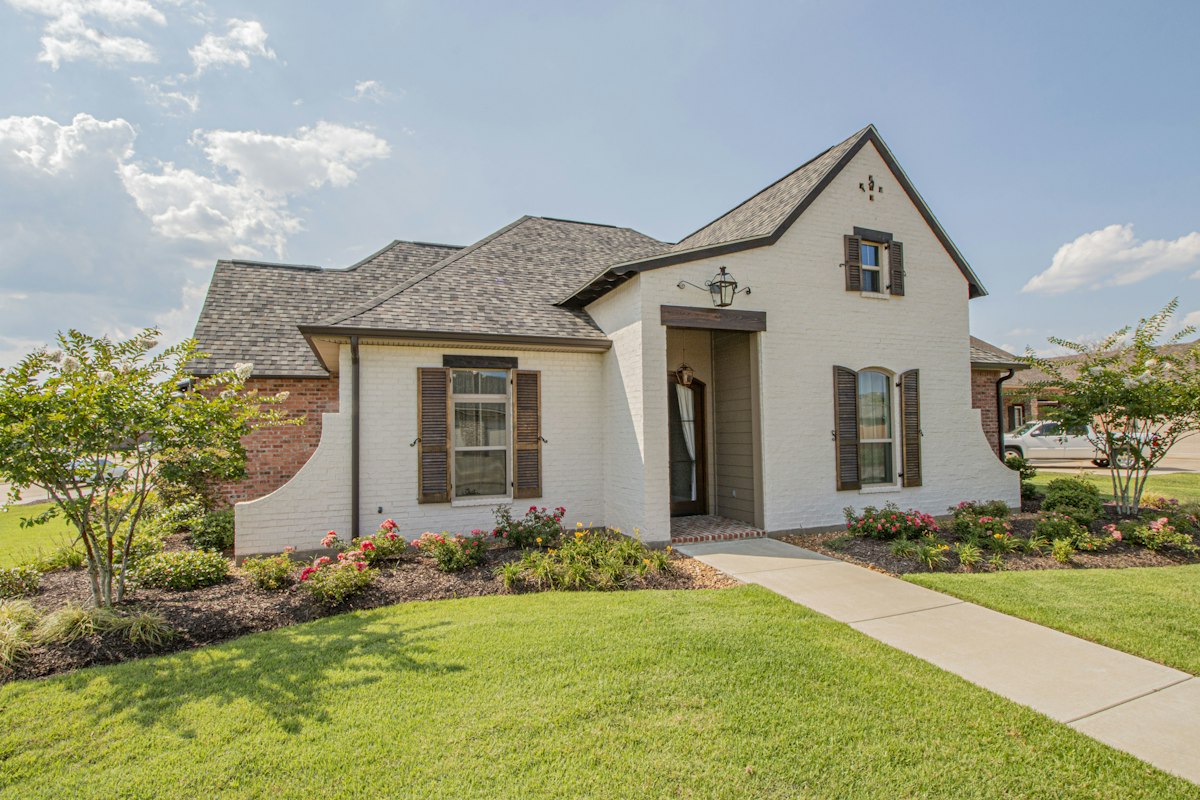
Here's the head-to-head I run through with every relocating family:
- Price per square foot: Cibolo wins. New construction in Cibolo averages roughly $145–$175/sqft. Comparable new construction in New Braunfels runs $175–$220/sqft, and Hill Country product (78132) jumps higher.
- Commute to JBSA: Cibolo wins by a landslide. 12–20 min vs 30–55 min. If you have a working spouse on base, this is decisive.
- Schools: New Braunfels (Comal ISD) edges out on raw academic ratings — Niche A vs SCUC's TEA B. Both are good. Comal is bigger and more competitive at the high school level.
- Property taxes: Roughly comparable. Cibolo runs about 2.0–2.4% effective. Comal County in New Braunfels runs about 1.46% county-wide median, with effective rates between 0.92%–1.08% depending on ZIP.
- Lot size and inventory: Cibolo has more new construction inventory and tighter lots (5,500–8,500 sqft typical). New Braunfels has more variety — from small infill lots downtown to multi-acre Hill Country tracts.
- Resale and appreciation: Both have appreciated strongly. New Braunfels has a slightly stronger resale story long-term because of the Hill Country / river premium.
- Lifestyle: Cibolo = master-planned suburb. New Braunfels = historic town with rivers, breweries, music venues, and weekend tourism.
Who Should Buy in Cibolo in 2026?
From dozens of closings in this corridor, here's the buyer profile that consistently wins in Cibolo:
- Military families PCS'ing to JBSA-Randolph or Fort Sam Houston who need a short commute.
- VA buyers chasing builder incentives — Cibolo's production builders (D.R. Horton, Lennar, KB, Pulte, Coventry) are aggressive in 2026.
- First-time buyers who want a brand-new home in the $300K–$400K range without driving an hour to work.
- Families with elementary-age kids who want SCUC ISD schools and walkable subdivision amenities.
If that's you, my complete Cibolo buyer's guide is worth a read before you tour.
Who Should Buy in New Braunfels in 2026?
And here's who I send to New Braunfels instead:
- Remote workers who don't need to commute daily and want lifestyle (river access, downtown, Hill Country views).
- Move-up buyers in the $500K+ range looking for larger lots, custom homes, or Hill Country acreage.
- Retirees who want a walkable historic downtown, mature trees, and access to medical care.
- Families with high school-age kids who prioritize Comal ISD's strong academic and athletic programs.
- Investors chasing short-term rental income near the rivers and Schlitterbahn (with proper STR licensing).
For a deeper market read on New Braunfels right now, see my why families are moving to New Braunfels guide.
The Honest Trade-Off: Commute Math
The single biggest mistake I see relocating families make is underestimating commute. Let me run the math.
- A 25-minute one-way commute from Cibolo costs you about 4 hours per week. Over a year, that's roughly 200 hours.
- A 50-minute one-way commute from New Braunfels costs you about 8.3 hours per week. Over a year, that's about 430 hours.
- The difference — 230 hours per year — is the equivalent of nearly 6 full work weeks of your life.
If you're spending six extra weeks a year in your truck, the lower price-per-square-foot in New Braunfels needs to make up for it. For most active-duty military and dual-income families with a JBSA tie, it doesn't. For retirees, remote workers, and families without a base commute, it absolutely can.
What I Tell My Clients on the First Call
Here's my decision tree, condensed:
- Is anyone in the household commuting daily to JBSA, downtown San Antonio, or the Northeast SA corridor? → Cibolo, full stop.
- Are you both fully remote or retired and want lifestyle over commute? → New Braunfels, especially the 78132 side.
- Are you a VA buyer chasing the most house for the dollar with builder incentives? → Cibolo or Schertz, with a serious look at Steele Creek, Bentwood Ranch, or Falcon Ridge.
- Do you want river access, Hill Country views, and a historic downtown? → New Braunfels, no question.
- Still torn? → Drive both during your real commute hour. The map lies. The actual drive doesn't.
For the broader regional view, the City of Cibolo official site and the City of New Braunfels official site are both worth bookmarking — both publish regular development updates that affect property values.
Ready to Tour Cibolo and New Braunfels?
I've personally walked nearly every active subdivision in Cibolo and most of the major communities across New Braunfels. If you're trying to decide between Cibolo and New Braunfels for 2026, I'll send you a custom shortlist based on your budget, school priorities, and commute target — no obligation, no spam.
Reach out directly:
Anthony Sharp, REALTOR® — Sharp Realty Group (Brokered by Real)
Cell/Text: (210) 446-0245
Email: anthony@sharprealtygrouptx.com
Schedule a 15-minute call: tidycal.com/sharprealtygrouptx
I'm a U.S. Air Force veteran, six-year Cibolo resident, and Cibolo Planning & Zoning board member. I've helped dozens of military and civilian families pick between Cibolo, New Braunfels, and the surrounding suburbs — and I'd be honored to help you next.
Categories
- All Blogs (255)
- BAH (3)
- For Home Buyers (175)
- For Home Sellers (85)
- For Investors (41)
- For Military Service Members (170)
- For Renters (9)
- JBSA (6)
- Local Events (12)
- Local Real Estate News (38)
- Market Updates (40)
- Military Relocation (37)
- Neighborhood Tours (56)
- PCS Move (103)
- Property Tours (4)
- VA Loans (10)
Recent Posts